English
 русский
 Español
 عربى

HUNTACE HUNTACE HUNTACE HUNTACE HUNTACE
HUNTACE HUNTACE HUNTACE HUNTACE

Industrial cleaning brushes are used across production, processing, maintenance, and material handling environments. Unlike general household brushes, industrial cleaning brushes can be designed around a specific machine, surface, production process, or cleaning requirement. Their structure may include a fixed backing, rotating core, shaft, channel, disc, or flexible body, depending on how the brush interacts with the working surface.
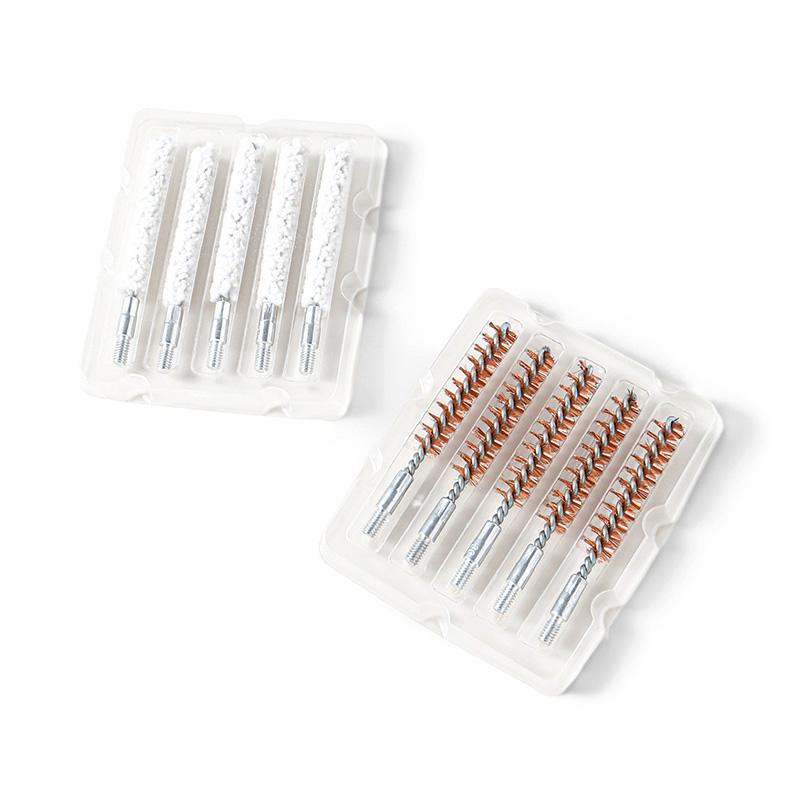
The application should normally be considered before selecting a brush type. A brush used for removing loose dust from a conveyor may require a different construction from a brush intended to remove residue from metal components. Surface material, cleaning method, working environment, brush movement, and available installation space can all affect the specification.
Industrial brushes can also support functions beyond general cleaning. Depending on their structure and filament selection, they may be used for wiping, guiding, dust control, surface conditioning, deburring, polishing, or material handling. This makes industrial cleaning brushes relevant to a wide range of production equipment.
Food processing equipment often requires regular removal of residue, particles, and other material from production surfaces. Industrial cleaning brushes can be integrated into conveyor systems, washing equipment, filling equipment, and other processing machinery.
Roller brushes can provide continuous contact with moving surfaces. Depending on the equipment design, they may assist with cleaning conveyor belts or processing surfaces while production equipment is operating. Brush dimensions, filament material, and mounting structure should correspond with the machine design.
Strip brushes can also be useful around processing equipment. They may provide wiping contact, guide products, or help control dust and loose material. Their channel-mounted construction allows them to be installed along straight or curved machine sections.
Manufacturing facilities have different cleaning requirements depending on the materials being processed. Industrial cleaning brushes may be used around machining equipment, production tables, transfer systems, and component handling equipment. Nylon and polypropylene filaments are commonly considered for general cleaning applications, while other materials may be selected for specific surface or environmental requirements.
The condition of the surface should also be considered. A brush intended for polished metal or coated components may require softer contact than a brush used for removing hardened residue from a robust industrial surface.
Metalworking operations can create dust, scale, chips, surface residue, and other material that needs to be removed from components or equipment. Industrial brushes can be used for cleaning and surface preparation, with brush construction selected according to the material being processed.
Wire brushes are commonly associated with metal cleaning, deburring, scale removal, and surface preparation. Stainless steel, carbon steel, and brass wire provide different characteristics and can be selected according to the surface and working conditions. Abrasive nylon is another option for applications where a combination of flexible filaments and abrasive action is required.
Automotive production can involve cleaning components, preparing surfaces, and removing residue from machinery. Roller brushes, disc brushes, strip brushes, and smaller detail brushes can each serve different equipment configurations.
For these applications, the brush should be matched with the material being cleaned. A brush with stiff wire may be appropriate for certain metal surfaces but unsuitable for soft coatings, finished surfaces, or materials that can be scratched easily.
Conveyor systems are another important application area for industrial cleaning brushes. Brushes can be positioned around belts, rollers, transfer points, and product handling areas to remove dust, debris, or production residue.
Cylinder and roller brushes provide a rotating contact surface and can be designed around a specific working width and machine structure. Strip brushes can be installed along conveyor edges to wipe surfaces or guide products. Disc brushes may be used where face contact is required.
The brush diameter, working length, shaft configuration, filament density, and mounting method should correspond with the conveyor design. The brush should also be compatible with the movement of the equipment and the material being transported.
Selecting industrial cleaning brushes requires attention to several conditions. The material being removed, surface being cleaned, brush movement, moisture, temperature, chemical exposure, and available installation space can all influence the design.
Filament stiffness is another consideration. Softer filaments can be suitable for delicate surfaces and light debris, while stiffer filaments can provide stronger contact for demanding cleaning tasks. The correct balance depends on the surface and cleaning objective.
By evaluating the application before selecting the brush structure and filament material, industrial cleaning brushes can be matched more closely with production equipment and maintenance requirements.