English
 русский
 Español
 عربى

HUNTACE HUNTACE HUNTACE HUNTACE HUNTACE
HUNTACE HUNTACE HUNTACE HUNTACE

A Gun Cleaning Kit Hunting Accessories set can contain many small components, including rods, brushes, jags, patch holders, patches, adapters, swabs, and utility brushes. Without an organized storage method, these items can become mixed together, making it harder to identify the accessory needed for a particular maintenance task.
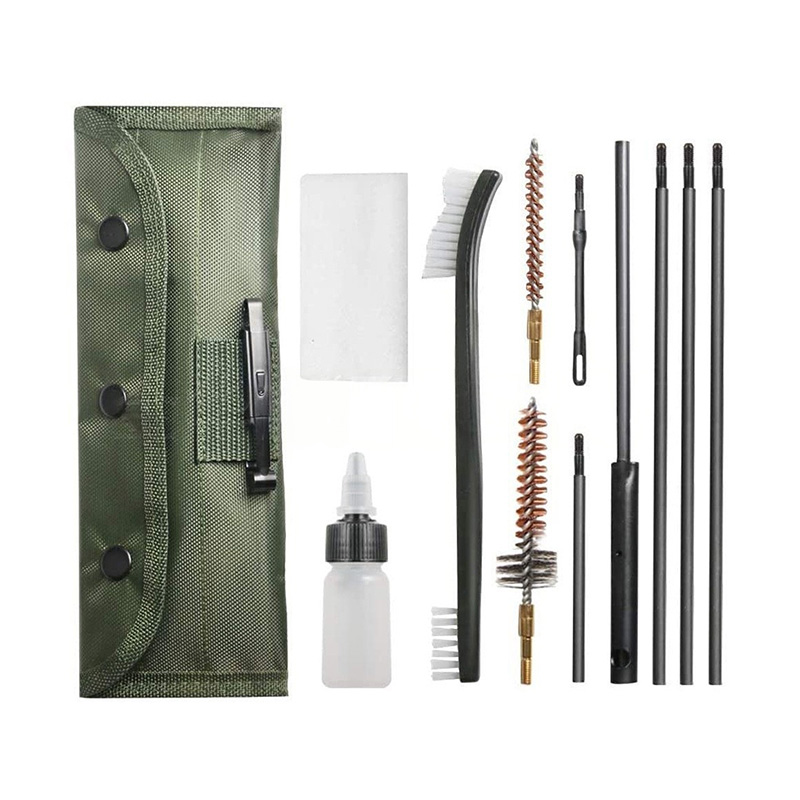
Storage is therefore an important part of kit design. A well-arranged case does more than hold the components. It can separate different tools, protect delicate accessories, and make transportation easier. Commercial cleaning kits commonly use dedicated compartments, pouches, trays, or protective containers to keep equipment together.
For hunting equipment, storage also needs to work with outdoor transportation. A case that stays closed and keeps accessories secured can help prevent small components from being lost inside a range bag, vehicle, or equipment pack.
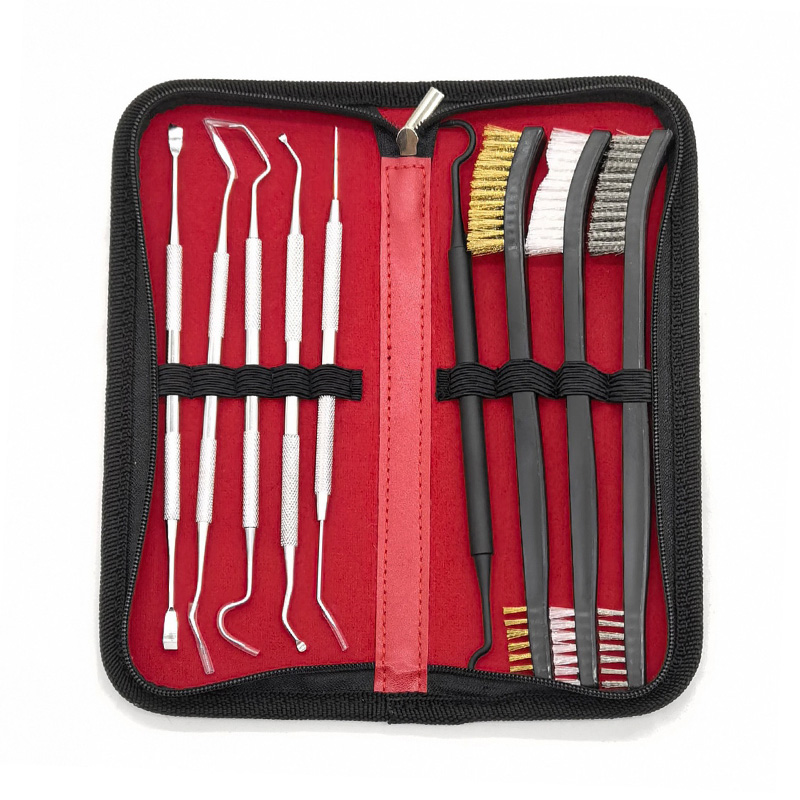
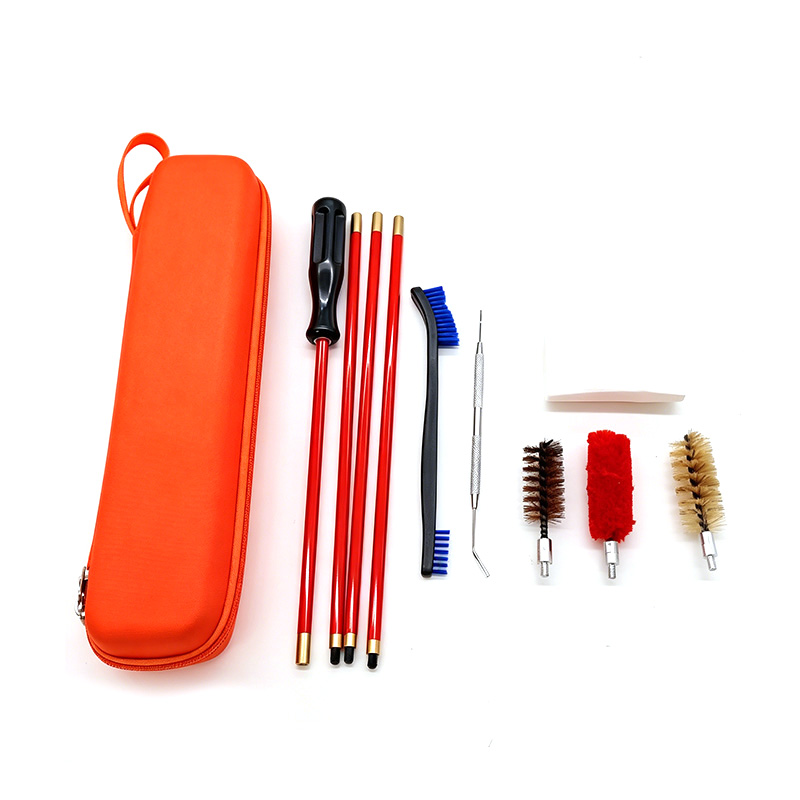
Gun cleaning kits are available with several storage formats. Soft fabric pouches are convenient for transportation because they can hold rods and accessories while remaining flexible. Zippered designs can keep the contents together when the case is moved between locations.
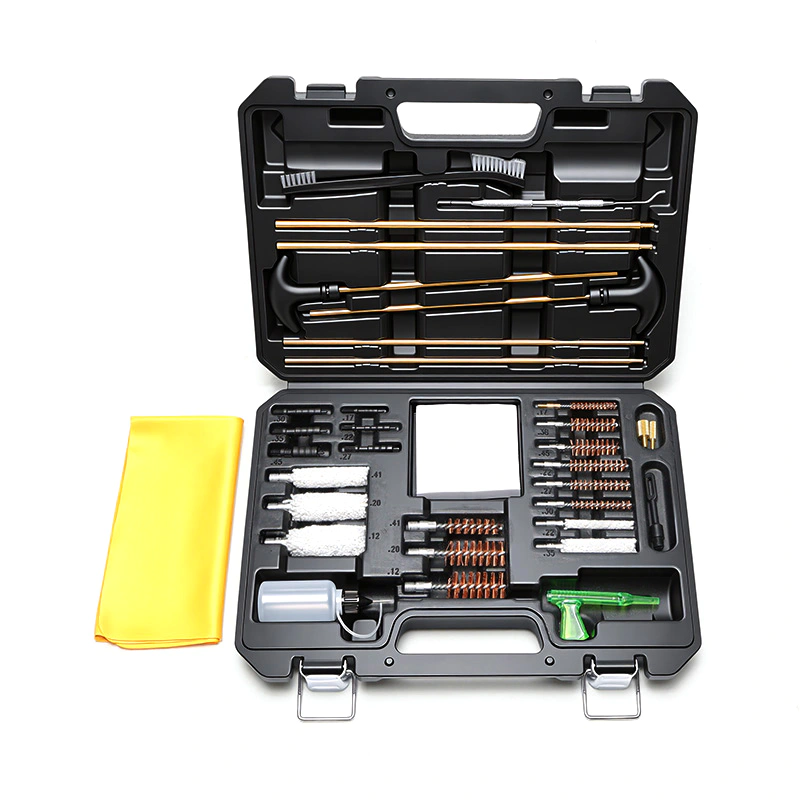
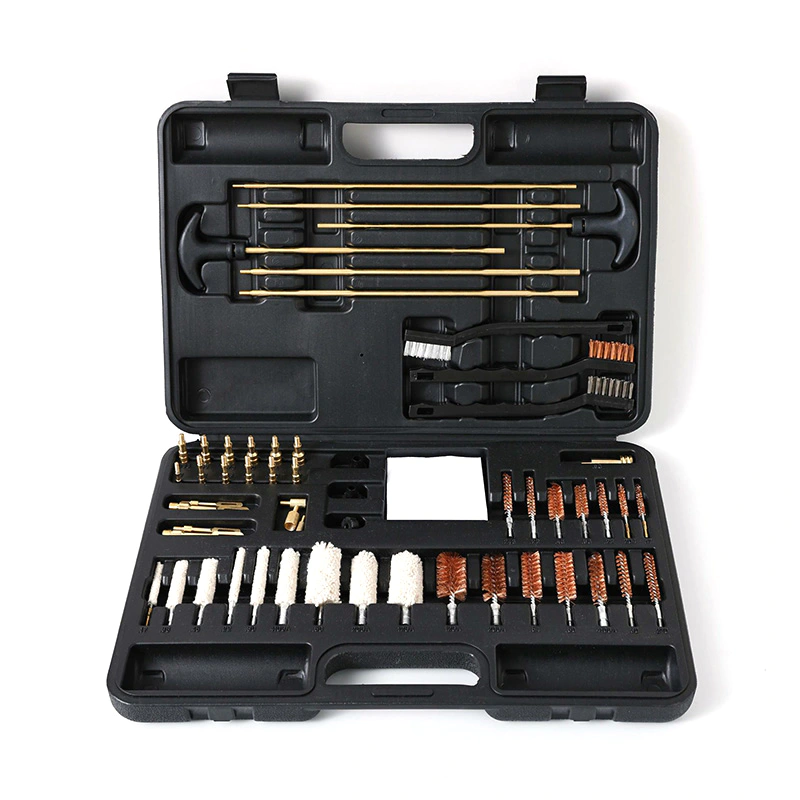
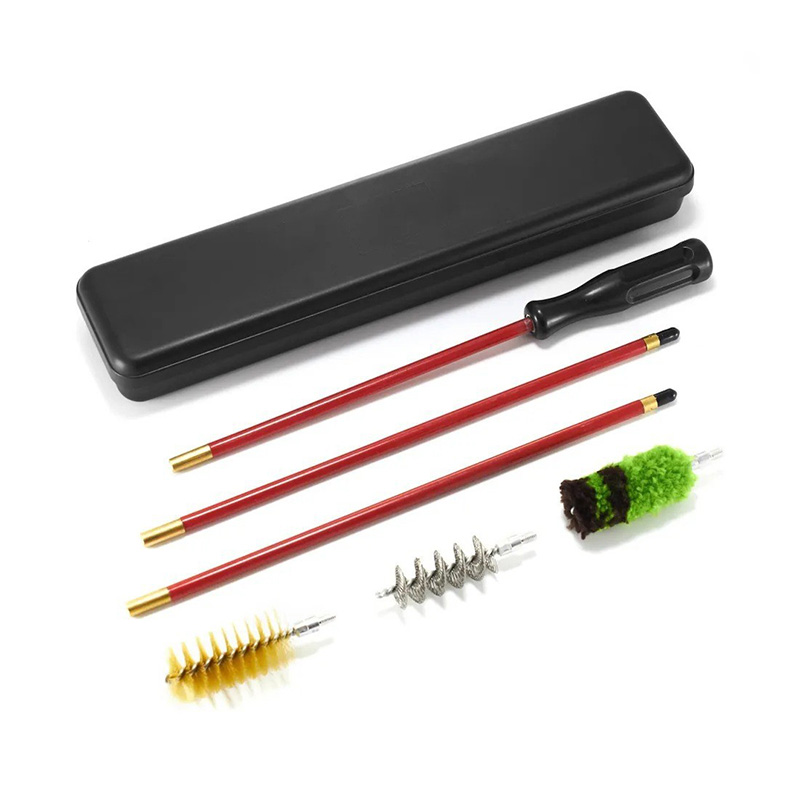
Hard cases provide a different approach. Their structured shape can separate tools into fixed positions and provide additional protection during transport. Some cases use molded sections for rods, brushes, and bottles, while others combine rigid panels with removable storage trays.
Internal organization is particularly useful for accessories that have similar shapes. Bore brushes, jags, and patch holders can look alike when stored together. Separate compartments or labeled holders make identification easier.
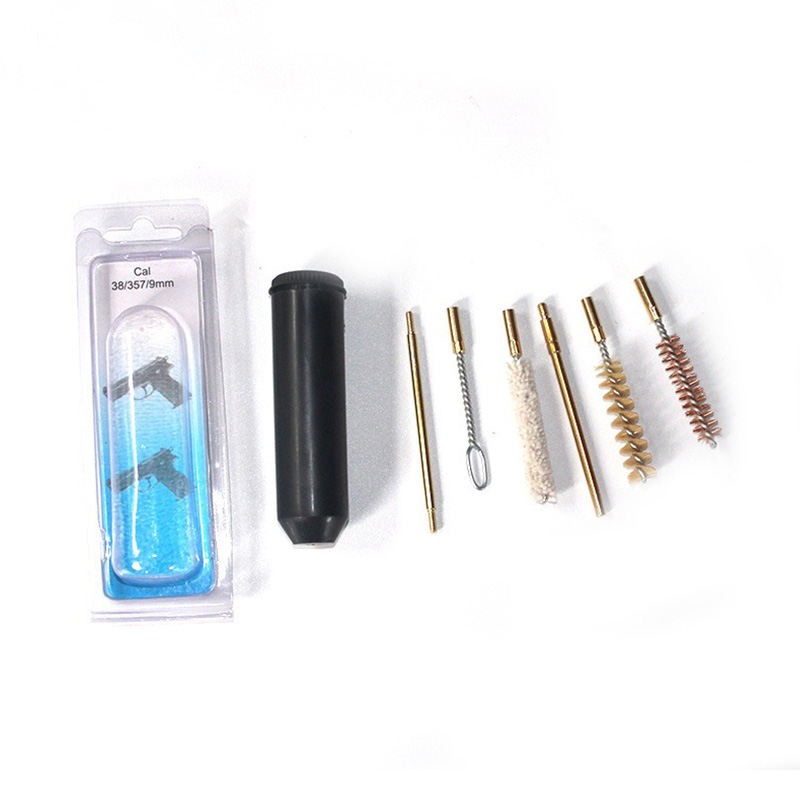
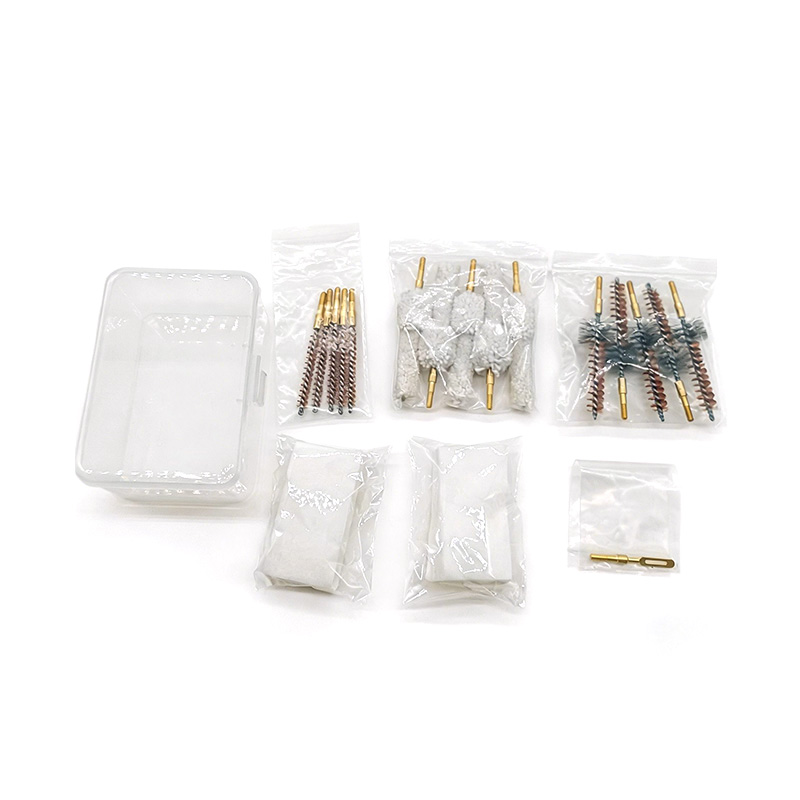
Some kits use individual tubes for brushes or small containers for accessories. This approach can help keep different sizes apart and reduce confusion when several firearm types are covered by one kit.
Rod sections are generally longer than other kit components, so they may require dedicated slots or channels along the side of the case. Keeping rod sections together can make transportation easier and prevent them from pressing against smaller accessories.
Brushes require another storage approach. Since different firearm types and bore sizes can require different brushes, clearly marked positions can help users identify the appropriate component.
Jags and patch holders are smaller and can be placed in elastic loops, pockets, or molded sections. These accessories can easily become misplaced when they are stored loosely, so dedicated spaces provide a practical advantage.
Cleaning patches and swabs are consumable items and may be stored separately from reusable tools. A pouch with additional space can also allow replacement accessories to be carried without changing the main storage arrangement.
Utility brushes, adapters, and other small tools can benefit from individual compartments. A structured arrangement allows the entire kit to remain organized after transportation and storage.
For outdoor hunting applications, the relationship between case size and accessory coverage is important. A compact kit may be convenient to carry, while a larger kit may provide space for additional firearm-specific accessories.
The storage material should also correspond with the intended environment. Fabric cases can provide flexible carrying options, while structured cases can offer more physical separation between components. The choice can depend on whether the kit will remain in a vehicle, travel inside an equipment bag, or be carried directly to an outdoor location.
Moisture is another consideration. Outdoor equipment can encounter rain, humidity, and condensation. Cleaning accessories should be kept clean and dry before being returned to storage. The case itself should also be allowed to dry when exposed to moisture.
A practical storage layout can make inventory checks easier. Before leaving for a hunting trip, users can quickly inspect the rod system, brushes, jags, patches, adapters, and other accessories to confirm that the required components are present.
When evaluating Gun Cleaning Kit Hunting Accessories, storage should be considered alongside the actual cleaning components. A kit with a broad accessory selection may still be inconvenient if the tools have no clear storage arrangement.
Buyers can review the case construction, compartment layout, closure system, internal holders, and available space. They can also check whether the storage format matches the firearm types and accessories included in the kit.
A well-organized case supports easier transportation, clearer accessory identification, and simpler storage between maintenance sessions. For hunting-related equipment, these practical details can be just as relevant as the cleaning tools themselves.