English
 русский
 Español
 عربى
عربى
HUNTACE HUNTACE HUNTACE HUNTACE HUNTACE
HUNTACE HUNTACE HUNTACE HUNTACE

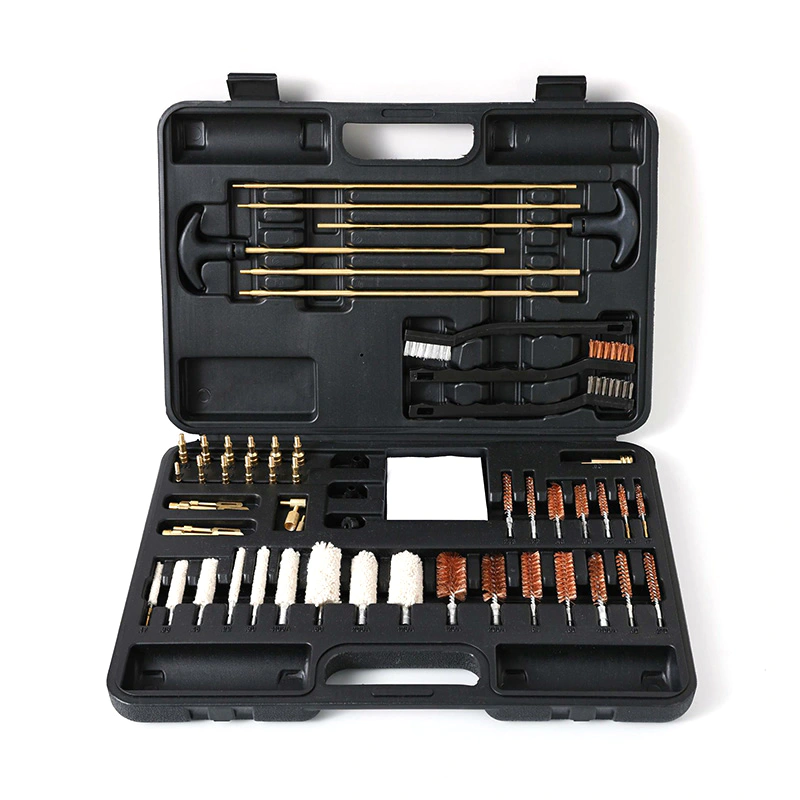
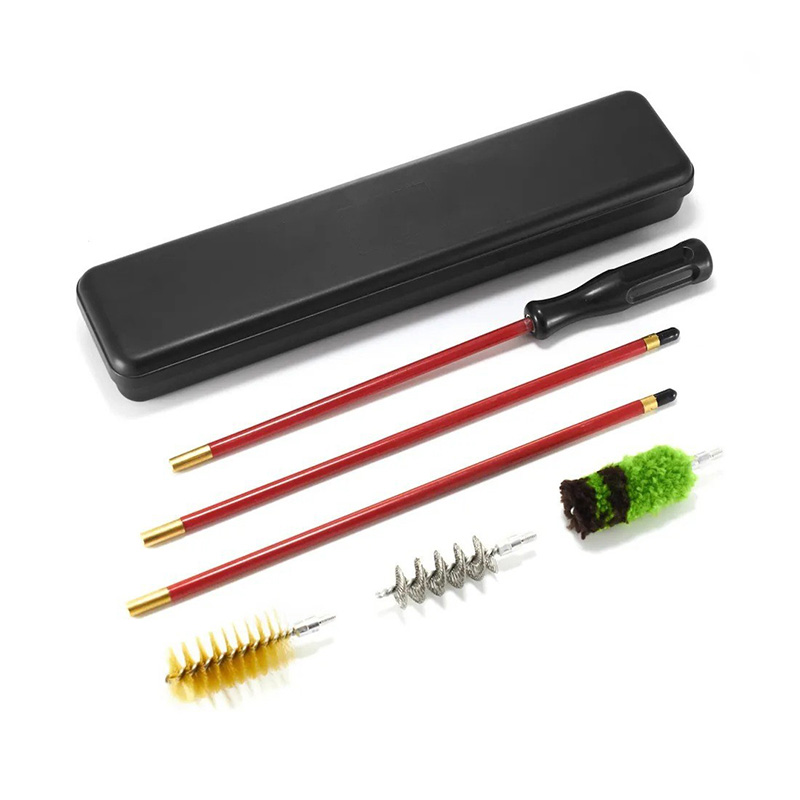
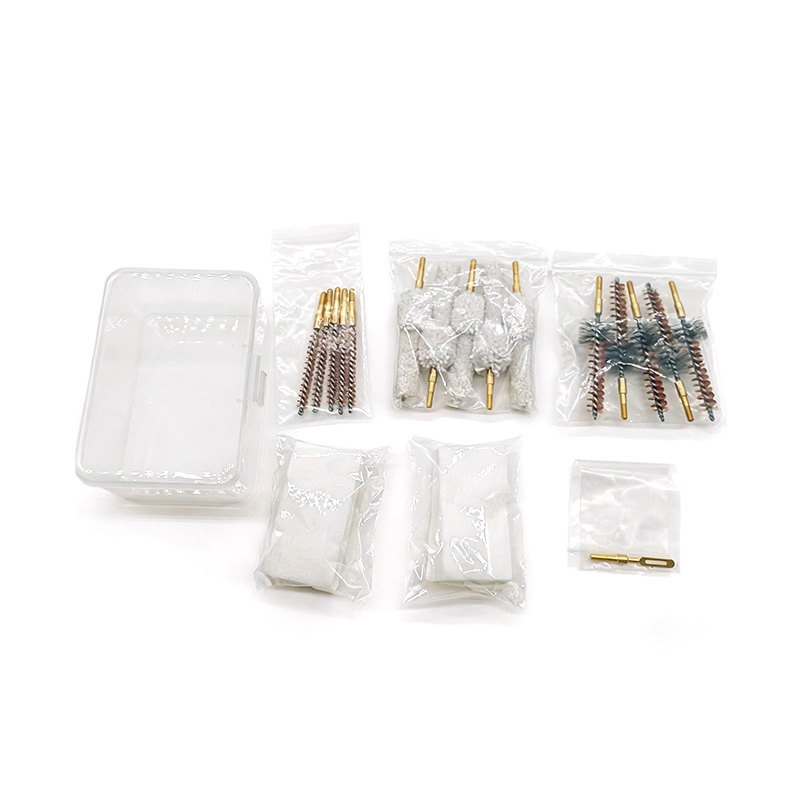
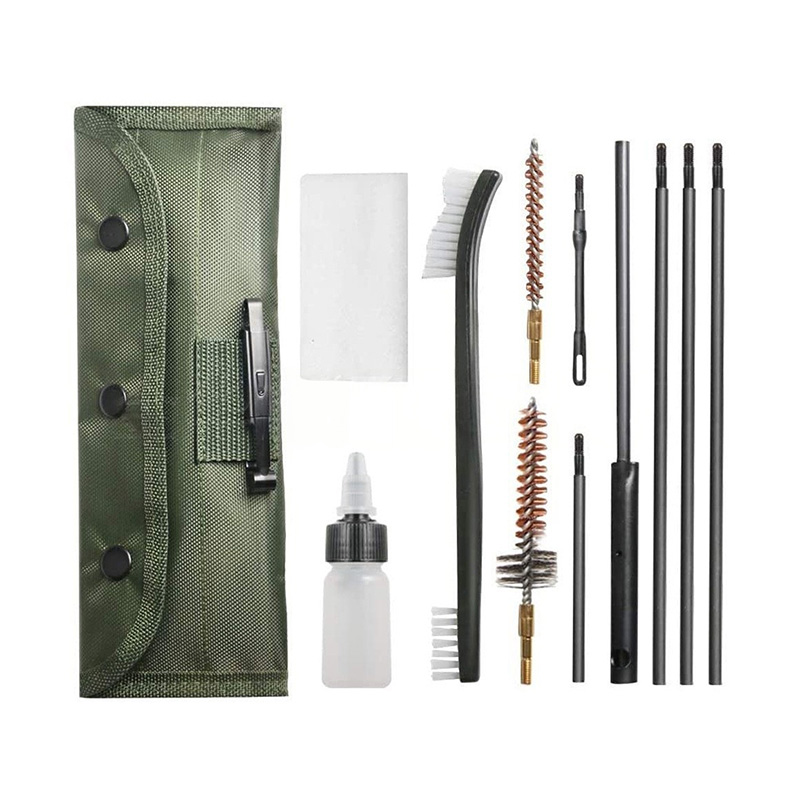
A Hunting Gun Cleaning Kit brings several maintenance accessories together for users who need a practical way to organize cleaning equipment. Instead of selecting every accessory separately, a kit can combine rods, brushes, mops, patches, holders, and connecting parts in one package.
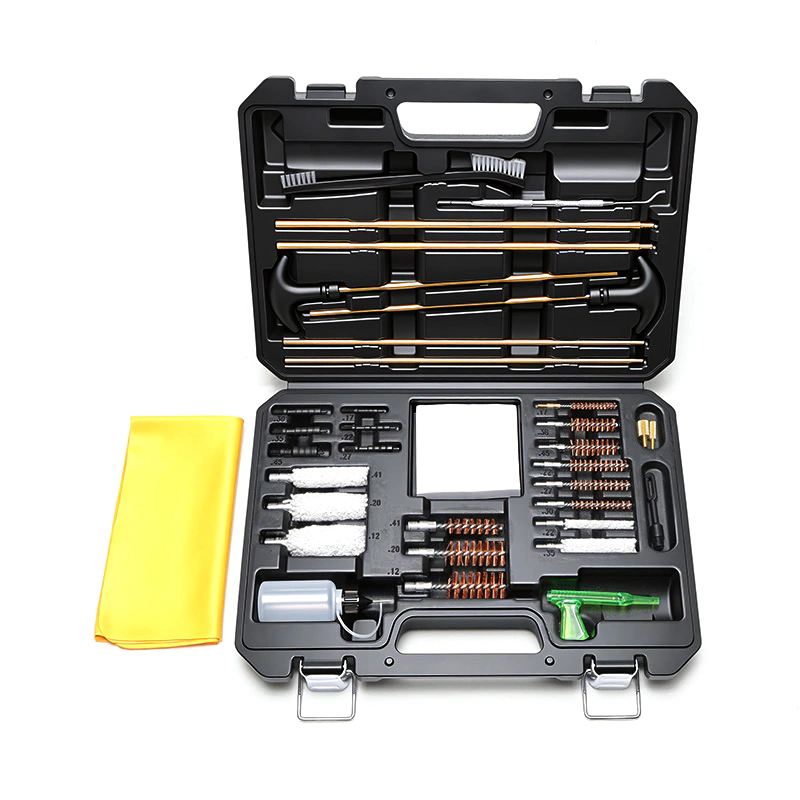
The actual contents can vary according to the intended application. Some kits focus on basic bore care, while others include accessories for different cleaning tasks and equipment configurations. For buyers, checking the component list is therefore an important part of product selection.
A clear kit description can help users understand what each accessory is designed to do and whether the included components correspond with their existing maintenance equipment.
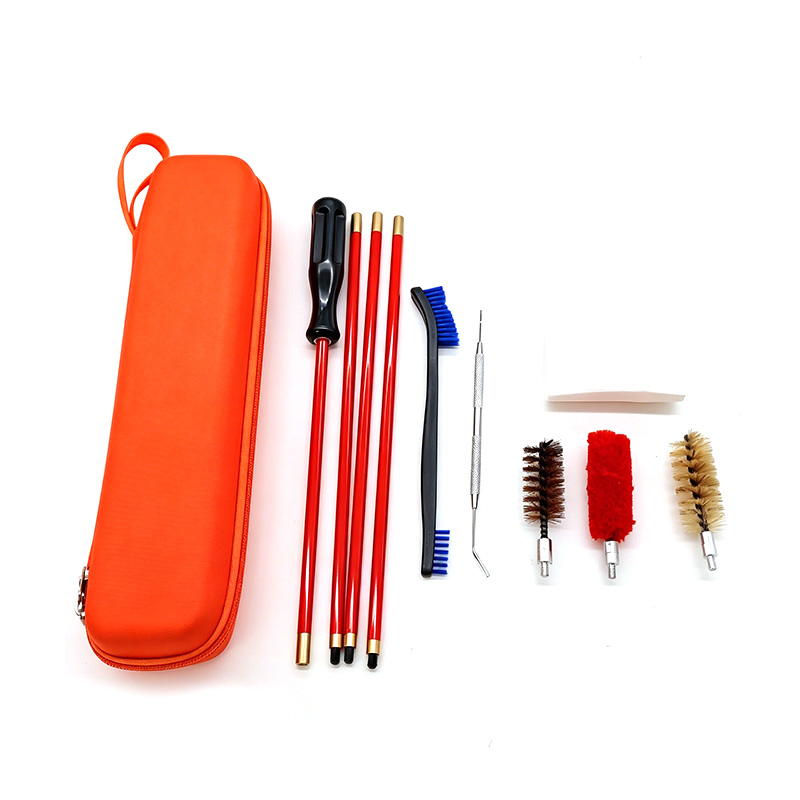
Cleaning rods are commonly used as the connection and support component for compatible accessories. Their construction can vary according to the kit design and intended application.
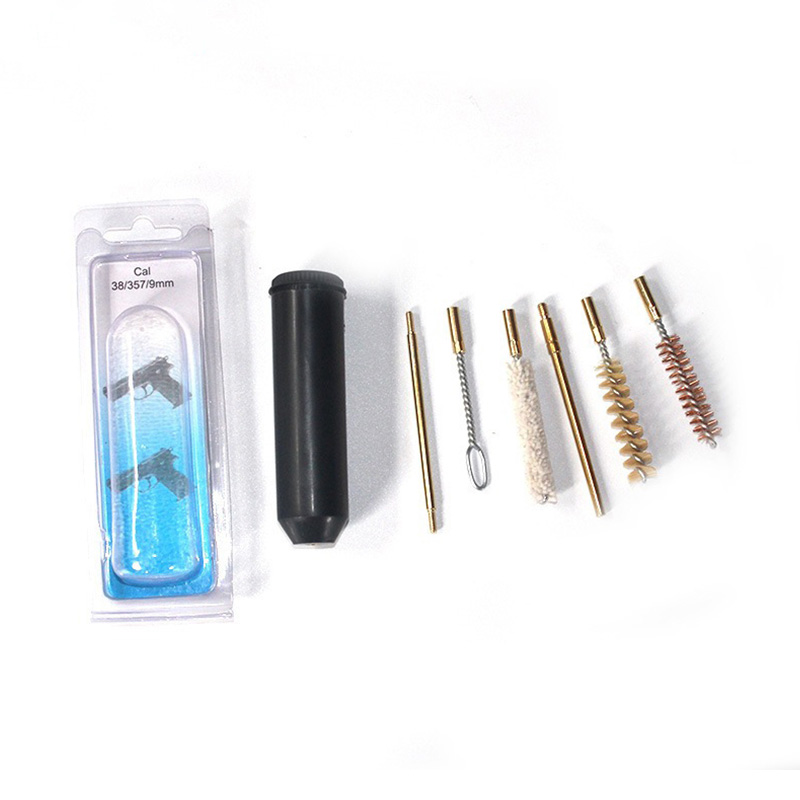
Bore brushes provide a brushing function for suitable maintenance tasks. Different brush materials can provide different contact characteristics, so the brush specification should be checked before use.
Cleaning mops use fiber materials and are generally associated with wiping, liquid application, or drying tasks. Cotton, wool, and synthetic fiber options can provide different absorption and handling characteristics.
Cleaning patches are another common component. They can support wiping tasks when used with an appropriate holder or compatible accessory.
Jags, patch holders, and adapters may also be included. Their purpose is generally related to connecting or positioning cleaning materials within the maintenance system.
A complete maintenance process can involve several types of accessories. A rigid brush and a soft mop do not perform the same function, so having both available can make it easier to select an accessory according to the task.
Brushes may be used when a brushing action is appropriate. Mops and patches can support wiping or liquid-handling stages.
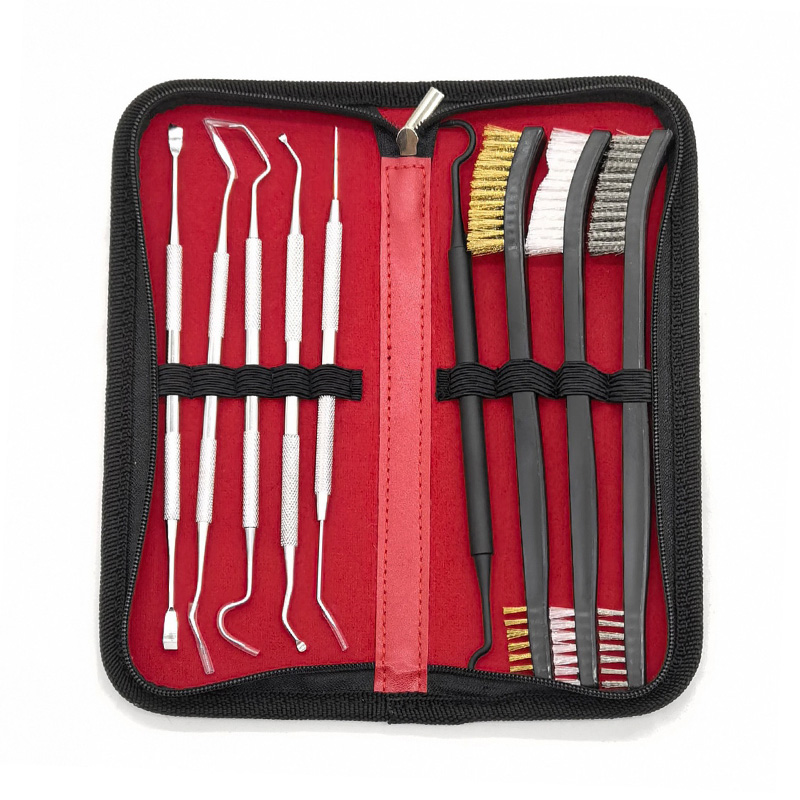
Small detail brushes may be included for external components or areas that require a more focused cleaning accessory. Their size and fiber type should correspond with the surface and maintenance requirements.
This division of functions is one reason why kit configuration matters. A kit should be evaluated by the usefulness of its components rather than by the number of accessories alone.
Material selection can influence how an accessory interacts with a surface.
Nylon brushes provide a flexible synthetic fiber option. Brass or bronze brush materials offer a different level of stiffness and should be selected according to the equipment manufacturer's maintenance guidance.
Cotton mops are commonly associated with absorption and soft wiping. Wool mops can provide another soft fiber option. Synthetic mop materials can offer different characteristics depending on their construction.
Cleaning rods may also use different materials and surface finishes. Buyers should review material information together with the intended application and cleaning environment.
Compatibility is an important purchasing consideration. A Hunting Gun Cleaning Kit may include accessories intended for particular bore specifications, connection systems, or equipment categories.
Buyers should check the applicable caliber information, bore dimensions, rod interface, and thread specification. An adapter may be needed when the accessory and cleaning rod use different connection standards.
A clear compatibility chart can make product selection easier. When specifications are unclear, buyers can request technical information from the supplier before placing an order.
Cleaning accessories should be kept in suitable storage conditions between uses. Fiber components should be protected from moisture and contamination, while metal components should be kept clean and dry according to their material requirements.
A storage case can help separate rods, brushes, mops, patches, and adapters. Organized storage also makes it easier to identify the required accessory without mixing different sizes or materials.
For reusable components, cleaning and drying procedures should follow the product instructions. Disposable components should be replaced according to the maintenance process in use.
A Hunting Gun Cleaning Kit should be selected according to equipment compatibility, intended maintenance tasks, accessory materials, storage requirements, and handling preferences.
For procurement teams, a clear product specification can make comparison easier. Reviewing the included tools, material information, connection details, and storage design provides a practical basis for deciding whether a particular kit fits the intended maintenance system.