English
 русский
 Español
 عربى
عربى
HUNTACE HUNTACE HUNTACE HUNTACE HUNTACE
HUNTACE HUNTACE HUNTACE HUNTACE

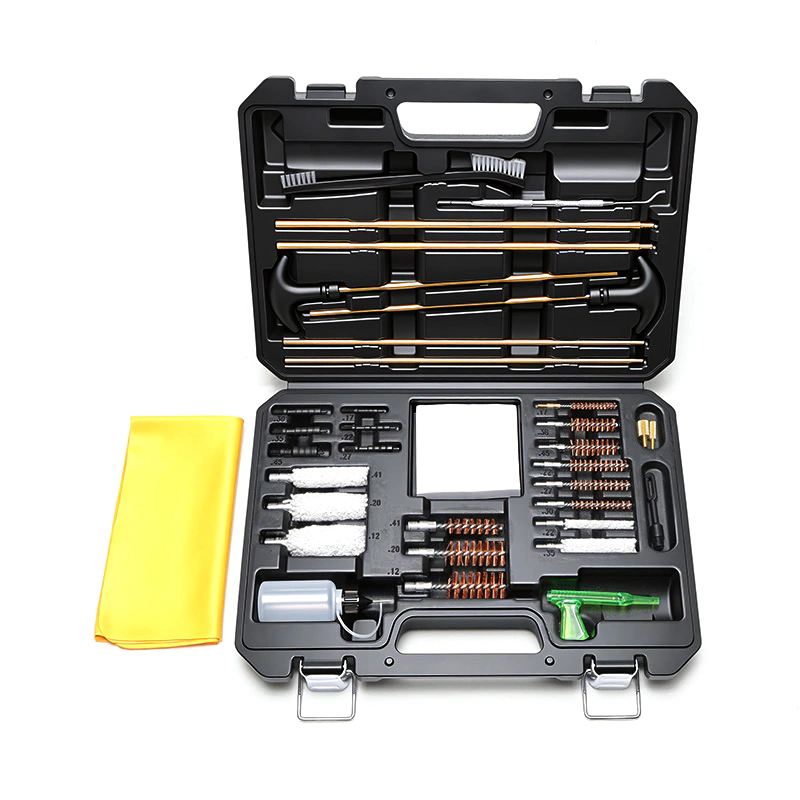
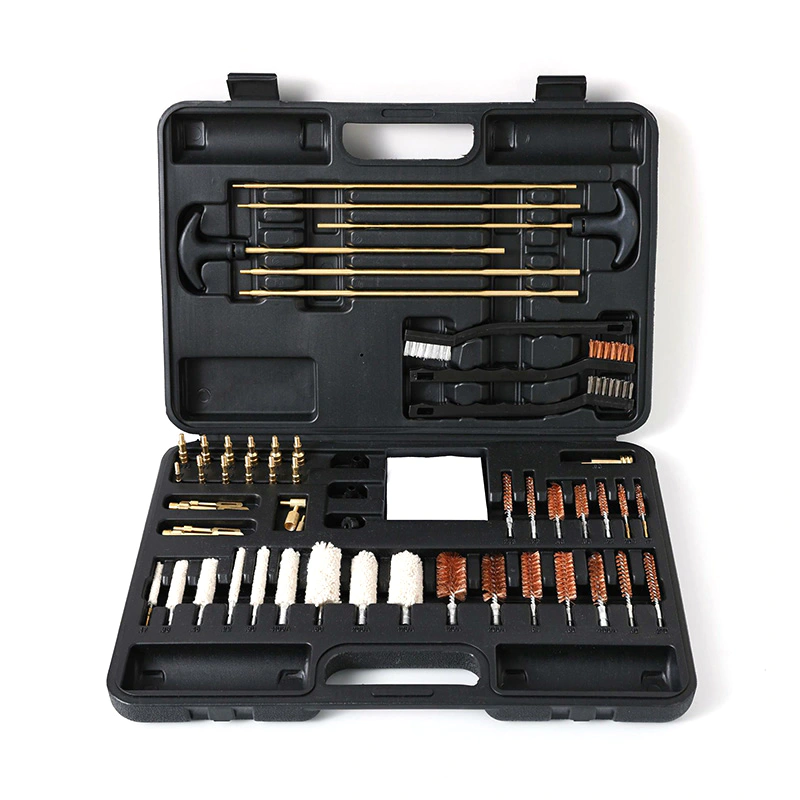
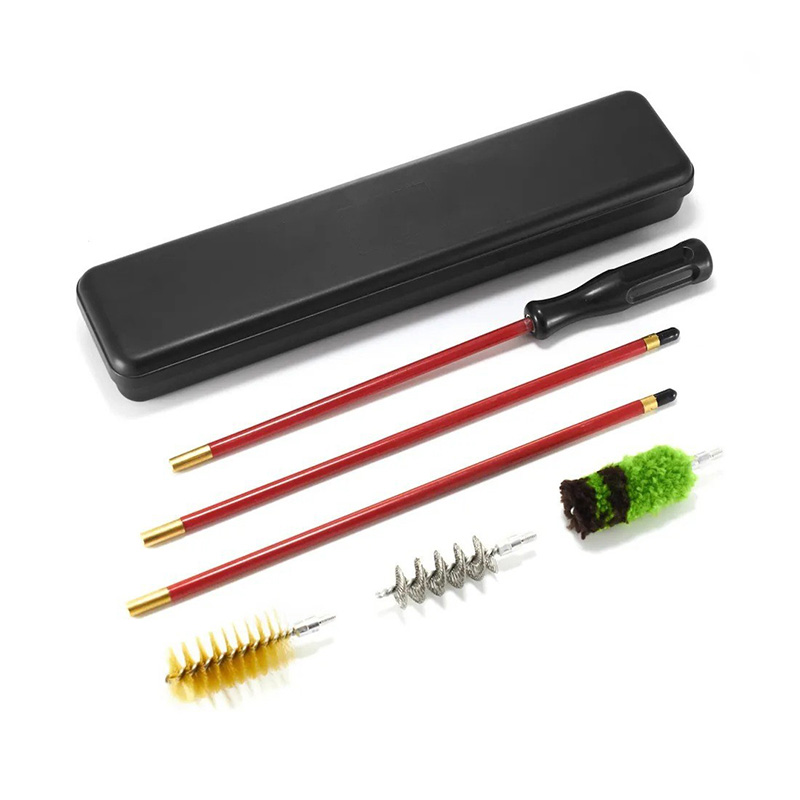
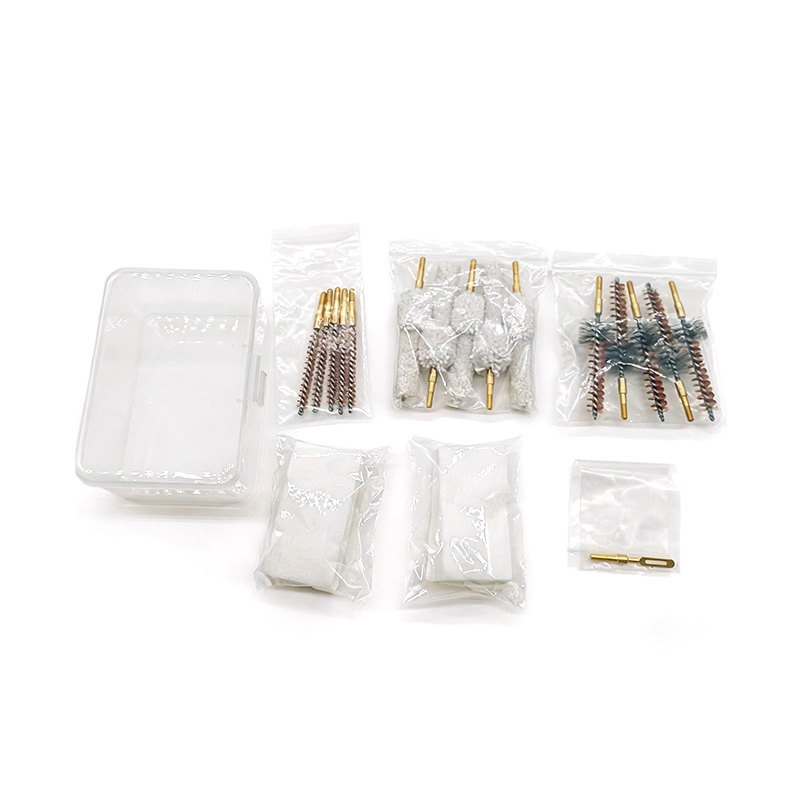
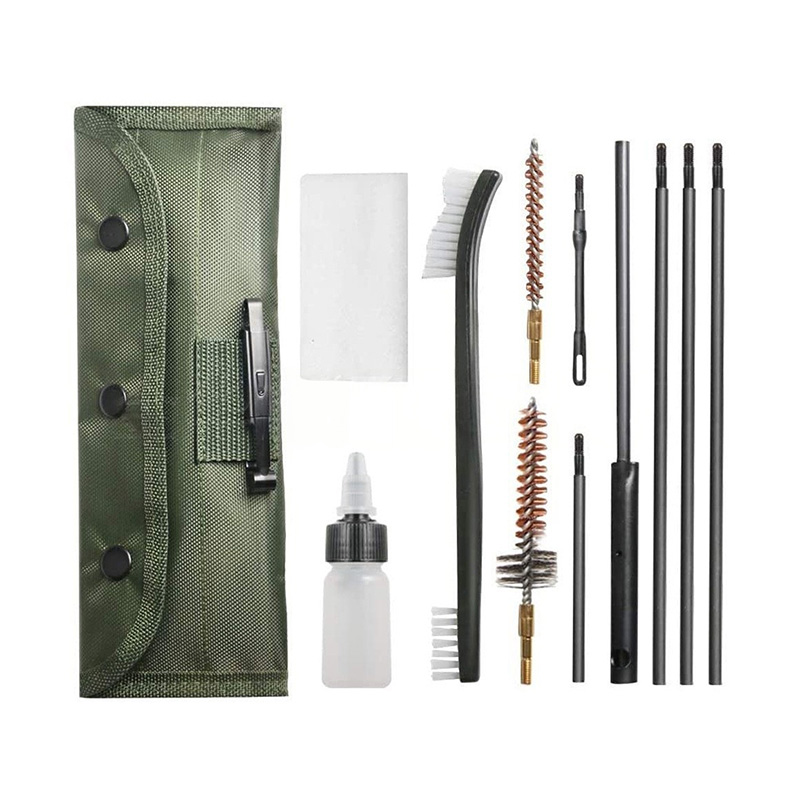
The materials used in a Hunting Gun Cleaning Kit affect the characteristics of individual accessories. Rods, brushes, mops, patches, and connecting components each have different material requirements because they perform different functions during maintenance.
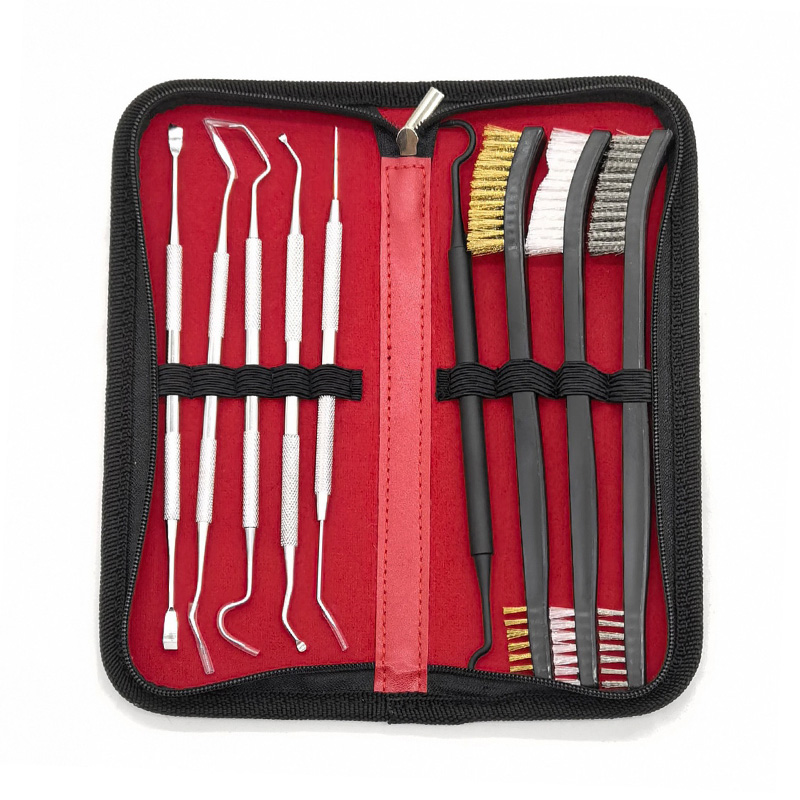
A buyer comparing cleaning kits should therefore look beyond the kit name and review the material specification of each component. Fiber type, metal construction, surface finish, and chemical compatibility can all influence whether an accessory fits the intended maintenance environment.
Material selection should always be considered together with the equipment manufacturer's care instructions.
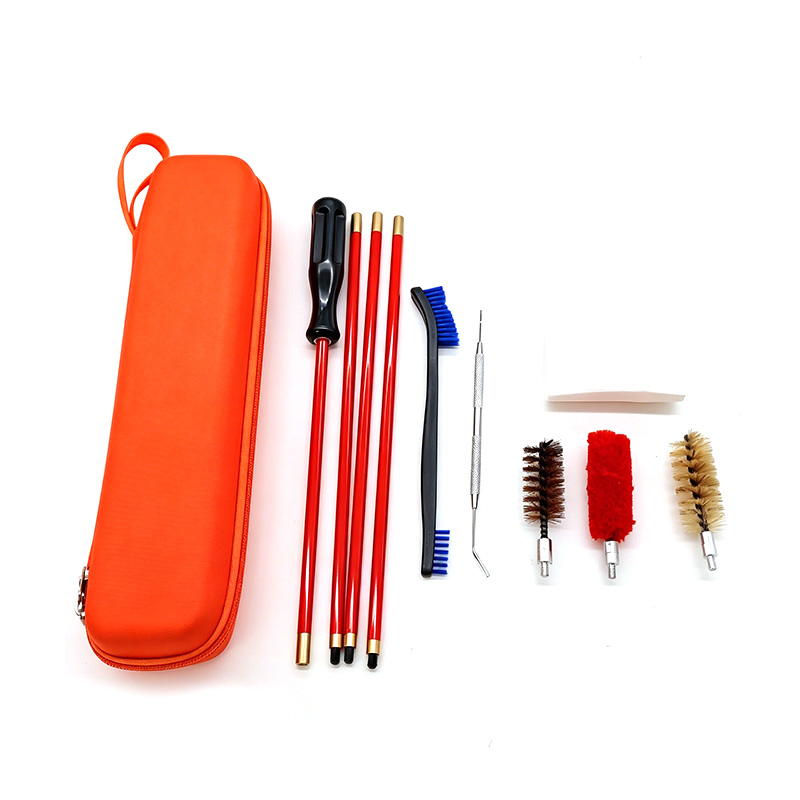
Cleaning rods provide a connection between the user and compatible cleaning accessories. Common material categories include brass, stainless steel, coated metal, carbon fiber, and flexible polymer designs.
Brass can provide a rigid metallic structure with characteristics suitable for certain cleaning systems. Stainless steel offers another metal construction and can be selected according to the requirements of the equipment and maintenance environment.
Coated metal rods may use an additional surface layer around the underlying material. Carbon fiber rods offer a different construction approach, while flexible rods can be designed for applications where some bending capability is required.
The connection specification remains important regardless of rod material. A rod must correspond with the accessories and adapters used in the cleaning system.
Bore brushes are available in several material types.
Nylon is a synthetic fiber option with flexible bristles. It can be considered when a softer brushing material is appropriate for the intended maintenance process.
Brass and bronze provide metallic bristle options with different characteristics from nylon. Their use should be based on the maintenance instructions applicable to the equipment.
Brush stiffness can also vary. A brush should not be selected only according to its general appearance. Buyers should review the material, dimensions, intended application, and compatibility information.
Cleaning mops and patches often use fiber materials selected for absorption and wiping.
Cotton can absorb liquid and provide a soft contact surface. Wool is another fiber option with its own absorption and texture characteristics.
Synthetic fibers can provide alternative performance characteristics depending on their structure and manufacturing process.
Patches may also be supplied in different fiber compositions. Their dimensions and construction should correspond with the holder or accessory used in the cleaning system.
Compatibility covers several areas rather than a single specification.
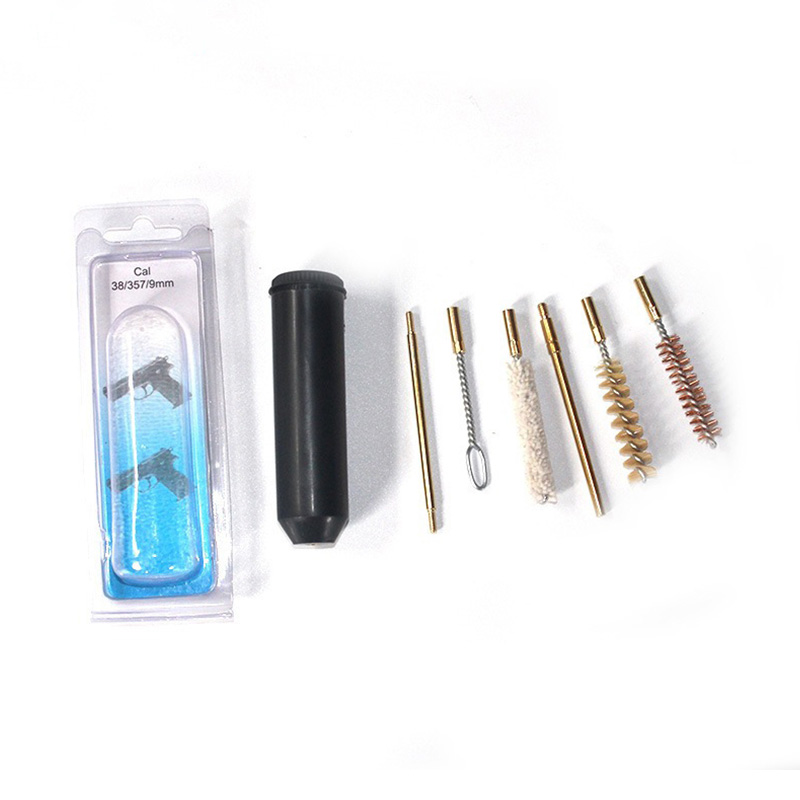
Caliber information can help identify the intended bore category, while actual bore dimensions provide another reference for accessory selection.
Thread specification is important when attaching a mop, brush, jag, or other accessory to a cleaning rod. Different systems may use different thread standards.
Rod diameter, accessory dimensions, shaft length, and adapter design should also be reviewed.
A kit that contains many accessories is not automatically suitable for every cleaning system. The actual specifications need to correspond with the equipment being maintained.
Cleaning solutions can introduce additional material considerations.
A brush, mop, patch, rod coating, or handle may react differently when exposed to particular chemicals. Buyers should check the material compatibility information supplied with the product.
For kits intended for regular maintenance, the cleaning solution used in the maintenance process should be considered when selecting accessories.
Proper rinsing, drying, and storage procedures can also influence accessory condition. Product care instructions should be followed rather than applying the same treatment to every material.
When comparing different Hunting Gun Cleaning Kits, buyers can create a material checklist.
The checklist can include rod material, brush material, mop fiber, patch composition, connector material, thread specification, and storage case construction.
This approach makes it easier to identify differences between similar kits.
For professional procurement, technical drawings and material descriptions can also help maintenance personnel verify compatibility before an order is placed.
There is no single material configuration that suits every maintenance environment. The appropriate choice depends on equipment specifications, cleaning tasks, surface requirements, cleaning solutions, and storage conditions.
A well documented Hunting Gun Cleaning Kit should provide clear information about the materials and compatibility of its components. This gives buyers a practical basis for comparing products and selecting a kit that corresponds with their existing maintenance system.