English
 русский
 Español
 عربى

HUNTACE HUNTACE HUNTACE HUNTACE HUNTACE
HUNTACE HUNTACE HUNTACE HUNTACE

Effective firearm maintenance depends on more than selecting a good solvent or a quality cleaning rod. The small accessories attached to the end of a rod often determine whether patches, mops, and brushes travel smoothly through the bore. A poorly fitted or incorrectly shaped tip can make cleaning slow, create unnecessary resistance, or fail to hold the cleaning material securely. A precision spike tip adapter provides a practical solution by creating a stable connection between the cleaning rod and the accessory used inside the barrel.
The Gun Cleaning Accessories Spike Tip Adapter Parts Tool Kit is designed as a versatile bore-cleaning component for rifles, pistols, and shotguns. It is available in brass and nylon versions and supports a broad range of calibers from .17 caliber to .50 caliber, with additional options for .410 and 12-gauge applications. Standard 5-40 and 8-32 thread specifications support compatibility with many cleaning rods used in North American, European, South American, and other international markets.
Rather than functioning as a basic replacement fitting, this adapter is engineered to improve the movement, alignment, and control of cleaning patches, cotton mops, and brushes. Its tapered spike design helps guide the cleaning accessory into the bore, while the centering groove helps keep the attached material aligned during the cleaning process. These details can make routine maintenance more efficient and more consistent.
For distributors, gun cleaning kit assemblers, private-label brands, shooting accessory retailers, and cross-border e-commerce sellers, the product also offers a flexible foundation for different market requirements. Buyers can select materials, caliber sizes, thread configurations, packaging, and branding options according to their sales channels and customer groups.
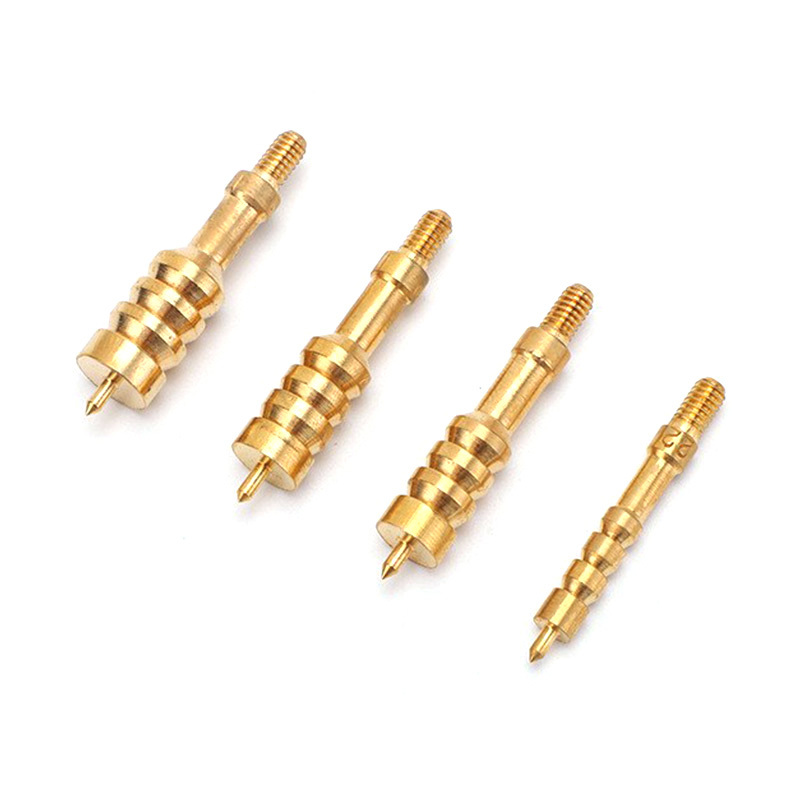
Gun Cleaning Accessories Spike Tip Adapter Parts Tool Kit
A cleaning rod is only as effective as the accessory mounted to its end. Rods provide reach and pushing or pulling force, but the end adapter determines how that force is transferred to a patch, mop, or brush. The adapter must hold the cleaning material securely while allowing it to enter the bore without catching on the chamber, rifling, or muzzle.
A spike tip adapter is commonly used to pierce or engage a cleaning patch and hold it against the tip of the rod. Depending on the design and accessory selected, it may also support a cotton mop or guide another cleaning attachment through the barrel. The tapered profile helps reduce the abrupt contact that can occur when a flat or oversized fitting is pushed into a bore.
During firearm maintenance, the cleaning accessory needs to remain sufficiently centered. If the patch or mop shifts sideways, it may move unevenly through the bore and fail to contact fouled areas consistently. An integrated centering groove helps stabilize the accessory and encourages a more uniform cleaning path. This can improve the removal of carbon fouling, powder residue, oil deposits, and other contaminants left by regular use.
The adapter is especially useful in professional, commercial, and high-volume cleaning environments. A shooting range, gunsmithing operation, sporting goods retailer, military accessory supplier, or firearm maintenance kit manufacturer may require a dependable supply of small replacement components. Consistent dimensions and thread standards simplify inventory management and reduce the need to source several unrelated fittings.
The brass cleaning tip is designed for users who prefer a rigid, corrosion-resistant, and precisely machined accessory. Brass provides a practical balance between strength and workability. It is sufficiently durable for repeated use while being less aggressive toward bore surfaces than many harder steel components.
Precision-machined threads help the tip attach securely to the cleaning rod. A secure connection reduces the risk of wobbling, loosening, or separation while the rod is being pushed through the barrel. Consistent thread formation is particularly important for distributors and kit manufacturers because poorly formed threads can create incompatibility complaints and reduce customer confidence.
The brass option is suitable for users who perform frequent firearm maintenance and want a reusable component with a solid feel. It is also visually compatible with traditional gun-cleaning accessories, where brass and bronze fittings are commonly associated with professional maintenance tools.
Although brass is durable, users should always select the correct accessory size and avoid forcing any cleaning component through a bore. Proper caliber matching and controlled movement remain essential for safe and effective maintenance.
The nylon cleaning tip offers a lightweight and non-abrasive alternative. It is appropriate for users who place a high priority on reducing the possibility of scratching or marking sensitive bore surfaces. Nylon is also resistant to many common cleaning environments and is suitable for routine use in household, sporting, and professional cleaning kits.
Compared with a metal fitting, a nylon tip can provide a softer contact point when the cleaning accessory enters the bore. This characteristic can be useful when working with firearms that have delicate finishes, precision barrels, or surfaces that require particularly careful handling.
The lightweight design of nylon also supports compact cleaning kits. When a product is intended for travel, field use, or online retail packaging, reducing unnecessary weight can improve portability and shipping efficiency. Nylon may also be an attractive choice for entry-level kits, multipurpose kits, and markets where customers prefer polymer-based maintenance components.
Offering both brass and nylon versions enables wholesalers and private-label buyers to address different customer expectations without changing the basic product concept. Brass can be positioned toward durable, traditional, and professional maintenance applications. Nylon can be presented as a lightweight, non-abrasive, and economical alternative.
This dual-material strategy is also useful for kit builders. A distributor may include brass tips in premium cleaning kits, nylon tips in compact travel kits, and both versions in comprehensive maintenance sets. The same basic design can therefore serve multiple price points and product categories.
The supplied specifications also identify copper-related fittings and copper material in the product information. For purchasing purposes, buyers should confirm the exact production material, surface finish, and model configuration before placing a bulk order. Clear material confirmation helps ensure that product descriptions, packaging, customs documents, and customer expectations remain consistent.
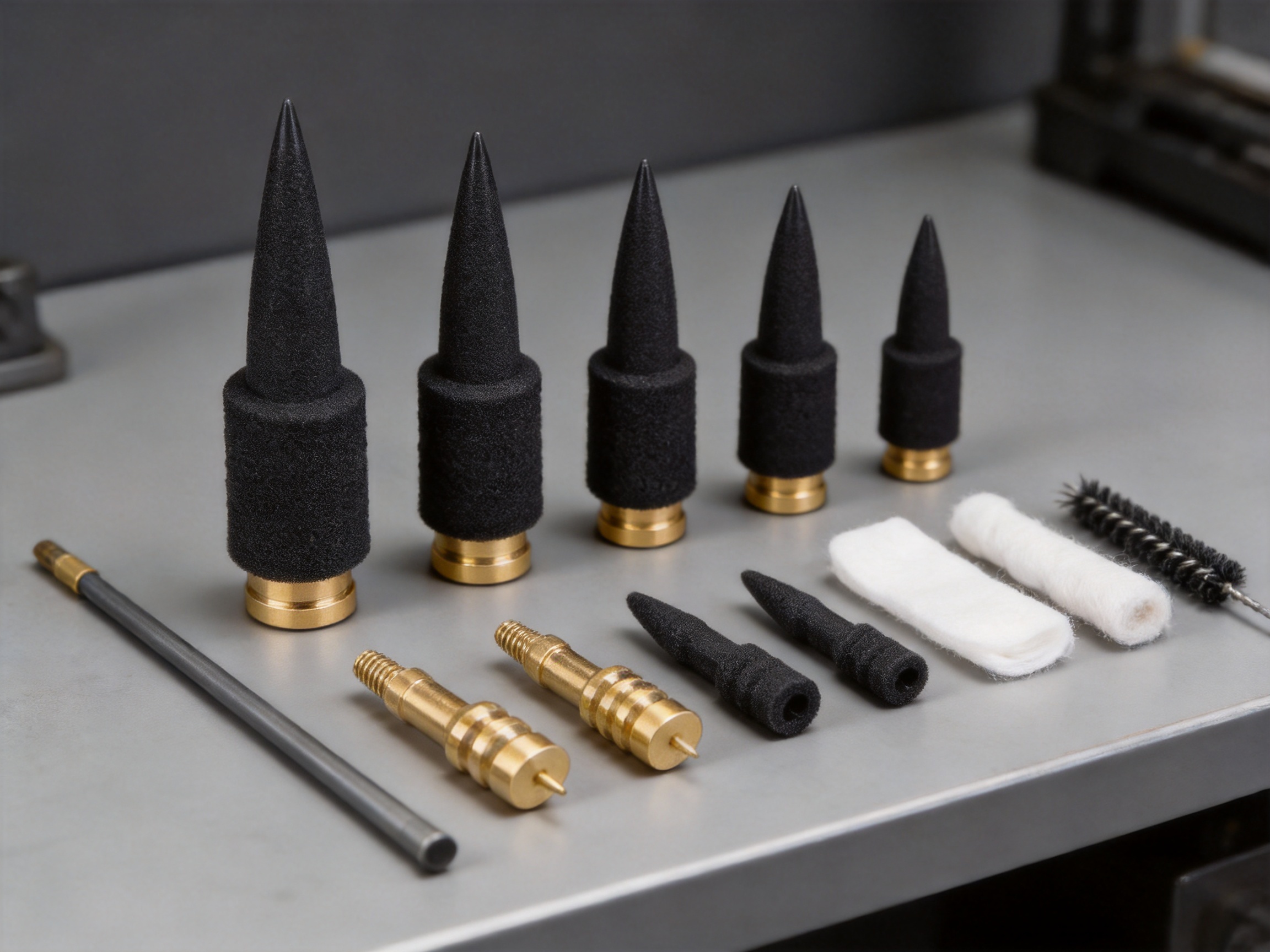
One of the main advantages of this adapter range is its broad caliber coverage. Available options include .17 caliber, .177 caliber, .22 caliber, .243 caliber, 6 mm, .25 caliber, 6.5 mm, .270 caliber, 7 mm, .30 caliber, .35 caliber, .357 caliber, .38 caliber, 8 mm, 9 mm, .375 caliber, .40 caliber, .416 caliber, .44 caliber, .45 caliber, and .50 caliber. Shotgun-related options include .410 caliber and 12 gauge.
This range allows one product family to serve a variety of firearm platforms. Small-caliber sporting and airgun applications require narrow cleaning tips, while centerfire rifles, pistols, and larger-caliber firearms require progressively larger options. By supplying multiple sizes, the manufacturer can support retailers and importers seeking a consolidated product line.
Broad coverage also benefits end users. A customer who owns several firearms may prefer purchasing a cleaning kit with several interchangeable tips rather than maintaining a separate cleaning system for every firearm. For retailers, a multi-size kit can be marketed as a more complete solution for household firearm maintenance.
Caliber selection must always be matched carefully to the firearm and bore dimensions. A tip that is too large may create excessive resistance, while one that is too small may not hold the patch or mop effectively. Product labels and instructions should clearly identify the intended caliber group so that users can select the appropriate component.
The adapter range is available with 5-40 and 8-32 thread specifications. These thread formats are widely used in firearm cleaning accessories and support compatibility with many cleaning rods, jags, brushes, and related fittings. Thread compatibility is one of the most important purchasing considerations because a well-designed tip is of limited value if it cannot attach securely to the customer’s existing rod.
The 5-40 configuration is commonly associated with smaller-caliber cleaning systems. The 8-32 configuration is widely used across many standard cleaning rods and accessory families. Providing both options allows importers and kit assemblers to serve different regional preferences and product architectures.
For OEM and private-label programs, thread selection should be confirmed during the quotation and sampling stages. Buyers may request samples for fit testing with their existing rods before committing to a production order. This process helps verify thread engagement, attachment depth, alignment, and ease of removal.
Interchangeable thread options also simplify product development. A brand can create a modular cleaning kit using a common rod system and several adapters for different calibers. This approach can reduce tooling duplication, improve packaging efficiency, and provide customers with a more organized maintenance solution.
| Product Feature | Available Options | Primary Benefit |
|---|---|---|
| Tip material | Brass or nylon | Supports durable or non-abrasive cleaning preferences |
| Thread specification | 5-40 and 8-32 | Fits many common cleaning rods |
| Caliber range | .17 to .50 caliber, plus .410 and 12 gauge options | Supports broad firearm platform coverage |
| Tip profile | Tapered spike design | Helps guide accessories smoothly into the bore |
| Alignment feature | Integrated centering groove | Helps maintain patch and mop alignment |
| Application | Rifles, pistols, and shotguns | Suitable for multipurpose cleaning kits |
| Customization | OEM, ODM, packaging, and logo support | Enables market-specific product programs |
The tapered spike tip is one of the defining functional features of the product. A gradual taper presents a smaller leading surface as the accessory enters the bore. This can reduce abrupt contact and make the movement of the cleaning patch or mop more controlled.
A tapered design also supports easier insertion into narrow openings. When a patch is placed over the spike, the point helps position the fabric around the tip. As the adapter moves into the barrel, the patch can spread and contact the internal surface more evenly. This is useful for removing loose fouling and applying a controlled amount of cleaning solution or protective oil.
The shape is also beneficial during repeated maintenance. A cleaning accessory that enters smoothly is less likely to bunch up immediately at the chamber or muzzle. Reduced bunching can lower operating resistance and make the cleaning process more predictable for both new and experienced users.
The adapter should still be used with appropriate technique. Cleaning rods should be kept aligned with the bore, excessive force should be avoided, and the correct size should be selected for the firearm. The precision shape improves the interface between the rod and the cleaning material, but it does not replace careful maintenance practices.
The integrated centering groove is intended to help keep patches, mops, and other cleaning materials positioned around the tip. Without a stabilizing feature, fabric or fiber material may slide unevenly, rotate excessively, or move off center as the rod travels through the barrel.
Maintaining alignment can improve contact between the cleaning material and the interior surface. More consistent contact may help lift carbon fouling, powder residue, dust, and other contaminants. It may also improve the distribution of cleaning solvent or lubricant when the adapter is used with an appropriate patch.
The centering groove offers an advantage over simpler flat-end or generic fittings that do not provide a defined holding area. For users who clean multiple firearms or perform maintenance frequently, even small improvements in alignment can make the overall process more efficient.
For commercial kit manufacturers, this feature provides a clear point of differentiation in product descriptions and packaging. Rather than presenting the item as an ordinary replacement fitting, brands can explain how the tapered tip and centering groove work together to support smoother, more controlled bore cleaning.
Basic adapters may connect a rod to a patch or mop but provide limited control over the material. The spike tip and centering groove offer a more deliberate interface. The cleaning material is easier to position, and the tip helps guide it through the bore.
When the attachment is aligned correctly, the rod can move with less unnecessary side-to-side motion. This supports a more consistent cleaning stroke and may help the accessory contact fouled areas evenly.
Some users prefer brass because of its strength and traditional construction, while others prefer nylon because it is lightweight and non-abrasive. Providing both alternatives gives buyers more control than a single-material product line.
The multiple caliber and thread options allow the adapter to be integrated into compact pistol kits, rifle maintenance sets, shotgun cleaning packages, professional armorer kits, and general-purpose household products. A retailer can build a larger catalog around one compatible adapter family.
Working with a manufacturer that can provide multiple sizes, materials, and customization services may reduce the number of suppliers required for a complete cleaning accessory program. Fewer supplier relationships can simplify communication, sampling, quality coordination, and shipment planning.
The product is suitable for OEM and ODM projects, including customized logos, packaging, and product combinations. This gives brands an opportunity to create a distinct presentation instead of selling an unbranded generic fitting with minimal differentiation.
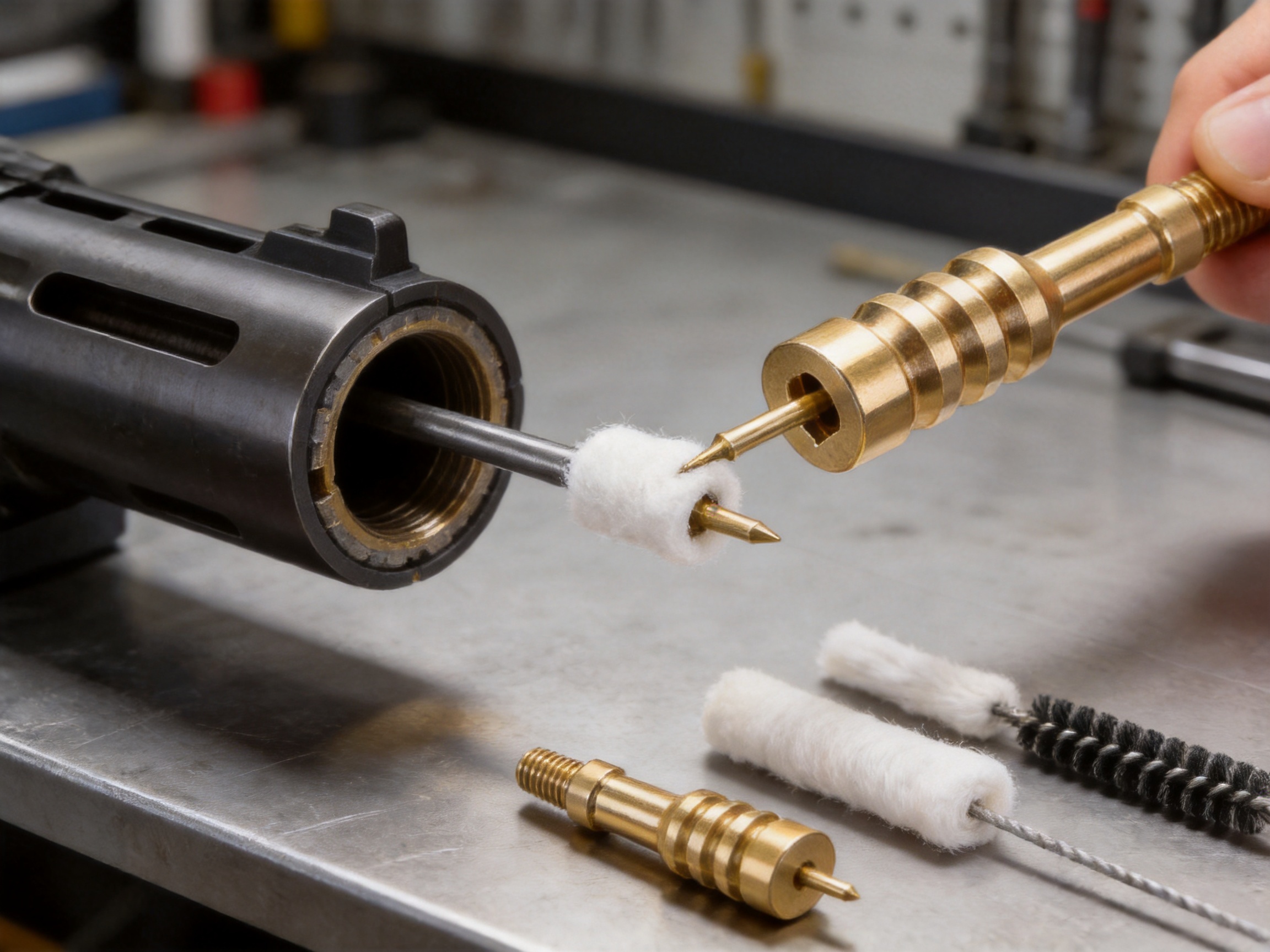
Jinhua Tongshun Tool Factory was established in 1999 and specializes in gun cleaning kits, barrel cleaning brushes, cleaning rods, patches, mops, and related accessories. Its long operating history provides experience in product development, production coordination, and export-oriented fulfillment.
The company integrates research and development, manufacturing, and sales. This integrated structure can be valuable for buyers because product feedback, design adjustment, production planning, and order communication can be handled within one manufacturing organization rather than being divided among unrelated intermediaries.
The factory operates semi-automatic and fully automated production systems. Automation can contribute to repeatable processing, stable production rhythm, and improved capacity for larger orders. For small precision accessories, consistency in dimensions and thread formation is especially important. Automated and semi-automated processes may help reduce variation when combined with suitable inspection procedures and trained production personnel.
Manufacturing capacity is also important for OEM and ODM customers. A private-label buyer may begin with a sample or a modest trial order and later require larger production volumes. A factory with scalable production systems is better positioned to support that transition while maintaining the approved design and packaging requirements.
The company reports exports to more than 50 countries and regions. International export experience may support more efficient communication regarding packaging, labeling, product specifications, shipment preparation, and regional sales requirements. Its main downstream platforms include Amazon, AliExpress, and independent websites, while its main sales regions include Europe, South America, and North America.
Quality control for a spike tip adapter should cover the complete product rather than focusing on appearance alone. Thread accuracy, tip dimensions, material consistency, surface finish, and alignment all influence the customer experience.
Thread inspection is essential. Threads should engage smoothly with the intended cleaning rod without excessive looseness or binding. The adapter should remain secure during normal use but should also be removable without requiring excessive force. Buyers may request thread gauges, sample-fit testing, or documented inspection procedures depending on order requirements.
Dimensional control is equally important for caliber-specific products. The outer profile should correspond to the intended caliber group. A consistent product size helps ensure that patches and mops fit as expected and that packaging labels accurately represent the contents.
Surface finishing should be checked for burrs, sharp unintended edges, rough machining marks, and contamination. The tapered point should be properly formed, while the centering groove should be clean and functional. Nylon versions should be inspected for molding defects, flash, deformation, and inconsistent shape.
Packaging inspection is particularly important for international distribution. Small adapters can be misplaced or mixed if they are not individually labeled or separated by caliber and thread type. Clear identification reduces picking errors in warehouses and helps end customers select the correct component.
For OEM projects, quality standards should be agreed in writing before mass production. The buyer and factory should confirm approved samples, material descriptions, dimensional tolerances, logo placement, packaging artwork, and inspection procedures. This creates a clear reference for production and reduces misunderstandings.
The product is designed to support customized supply programs. OEM customers can request their own branding, packaging, product combinations, and market presentation. ODM customers may also work with the factory to develop variations based on caliber coverage, material choice, thread design, or kit configuration.
Customization can begin with the product itself. Buyers may select brass or nylon, specify the required caliber groups, and determine whether 5-40, 8-32, or both thread formats are needed. A brand selling mainly rifle kits may require a different assortment from a company focused on pistol or shotgun accessories.
Packaging is another important area. Options may include individual polybags, printed cartons, blister packaging, compartmented boxes, or inclusion in a larger cleaning kit. Packaging should protect the product, present the thread and caliber information clearly, and meet the requirements of the intended sales platform.
Logo customization can help establish product recognition. A discreet logo on the fitting, package, instruction card, or storage case can connect the adapter with a larger cleaning accessory brand. The exact marking method should be evaluated according to material, order quantity, durability requirements, and visual preferences.
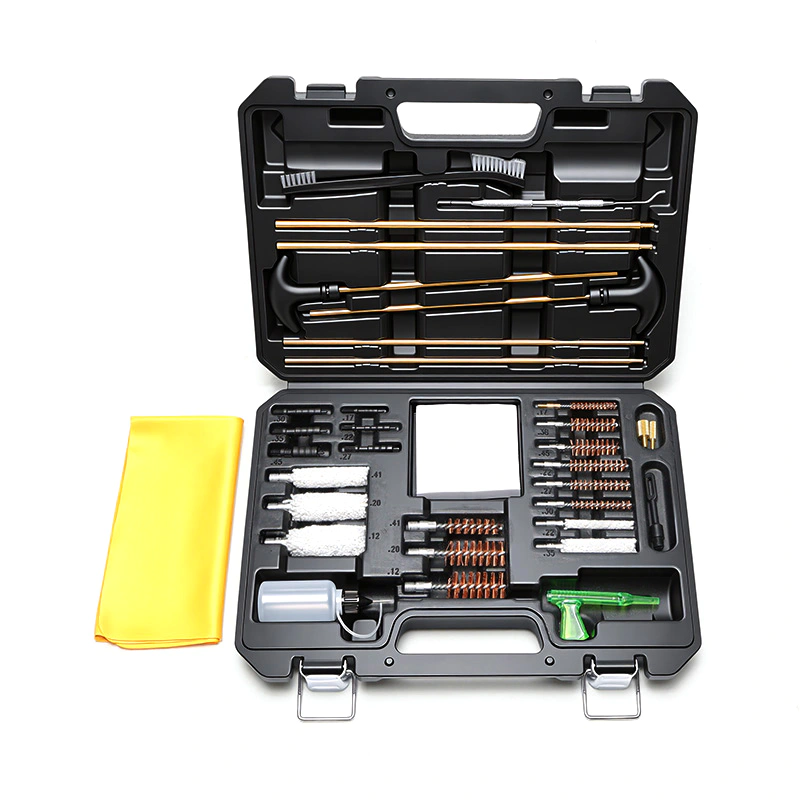
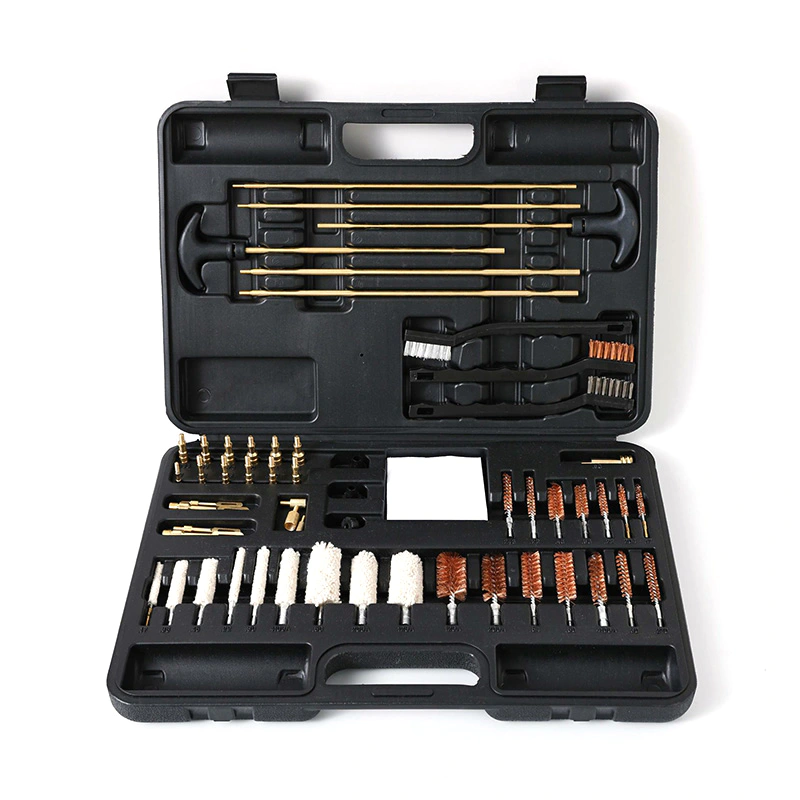
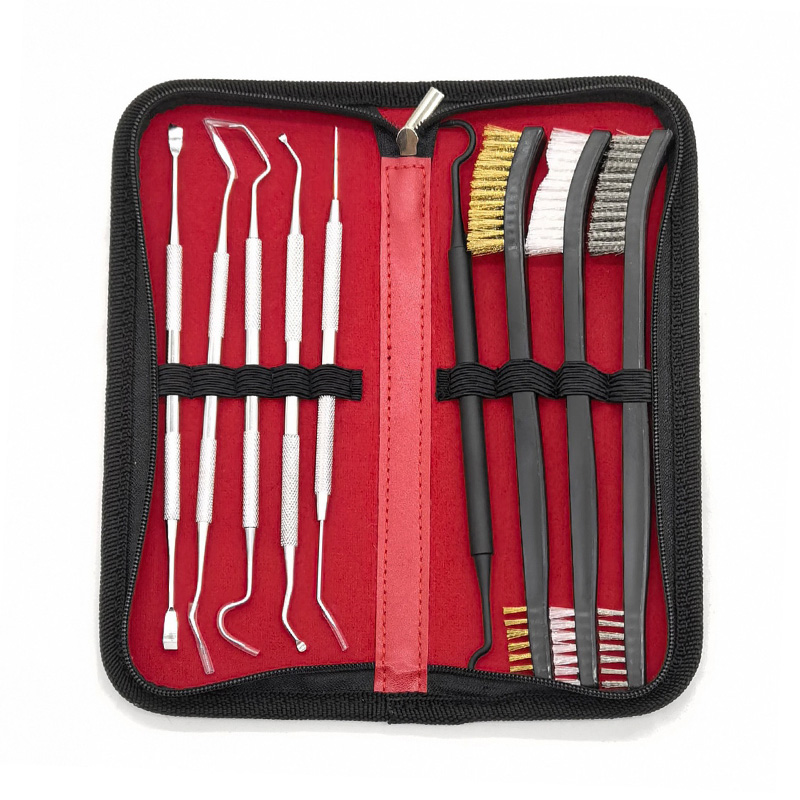
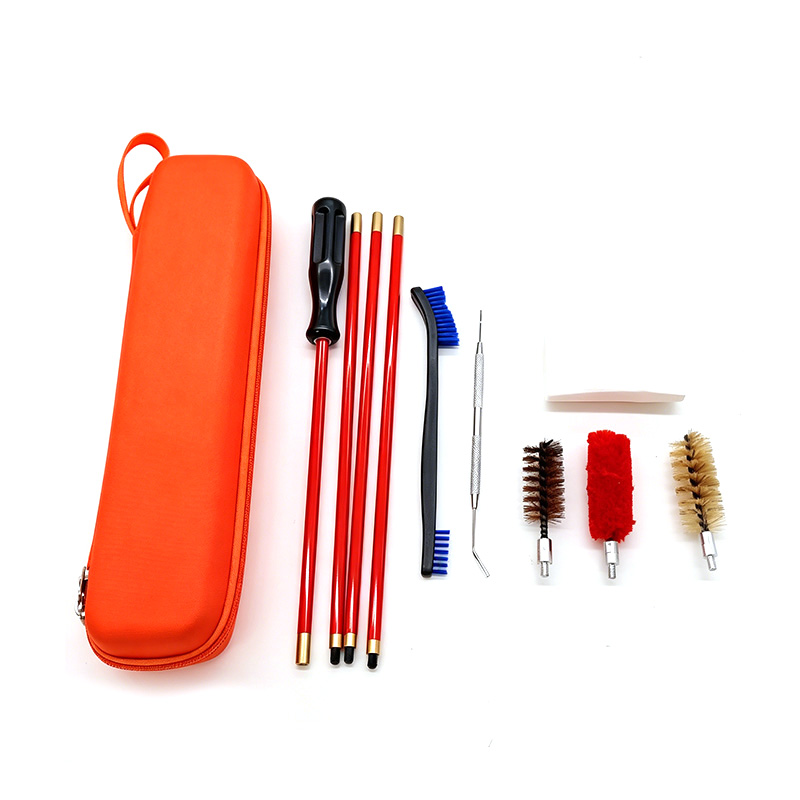
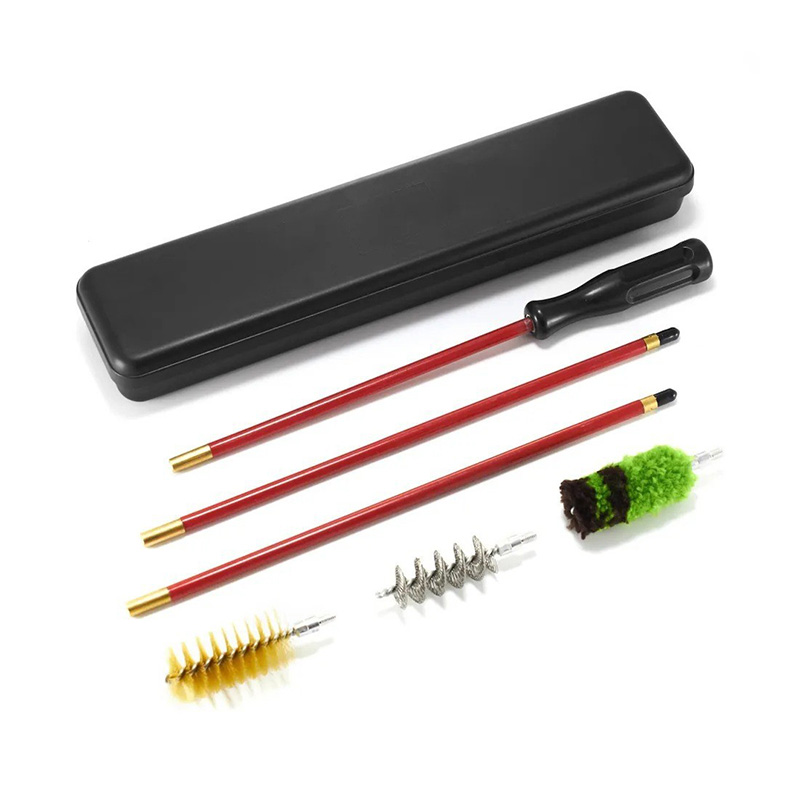
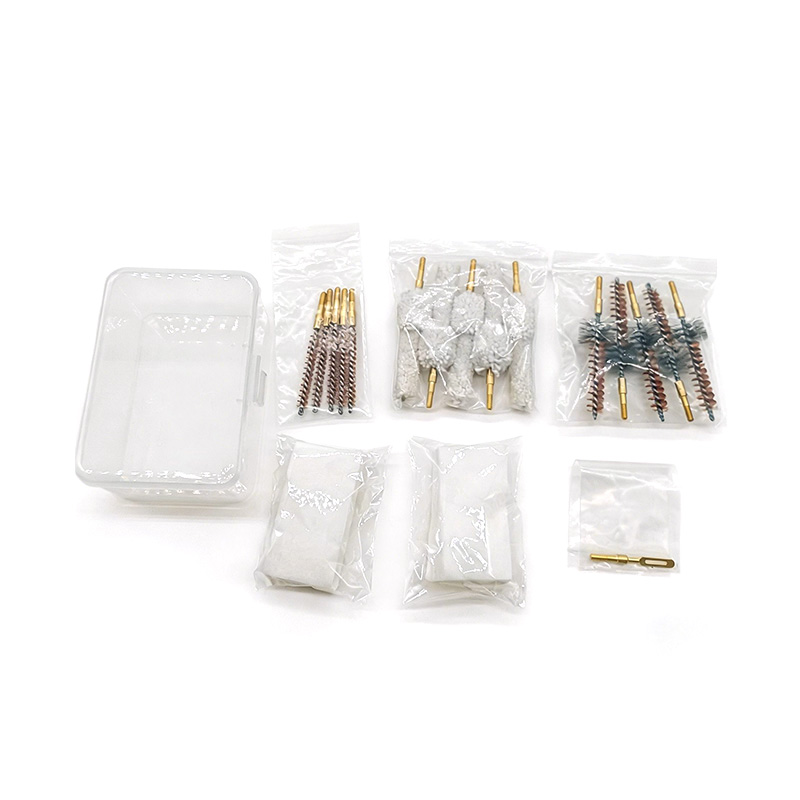
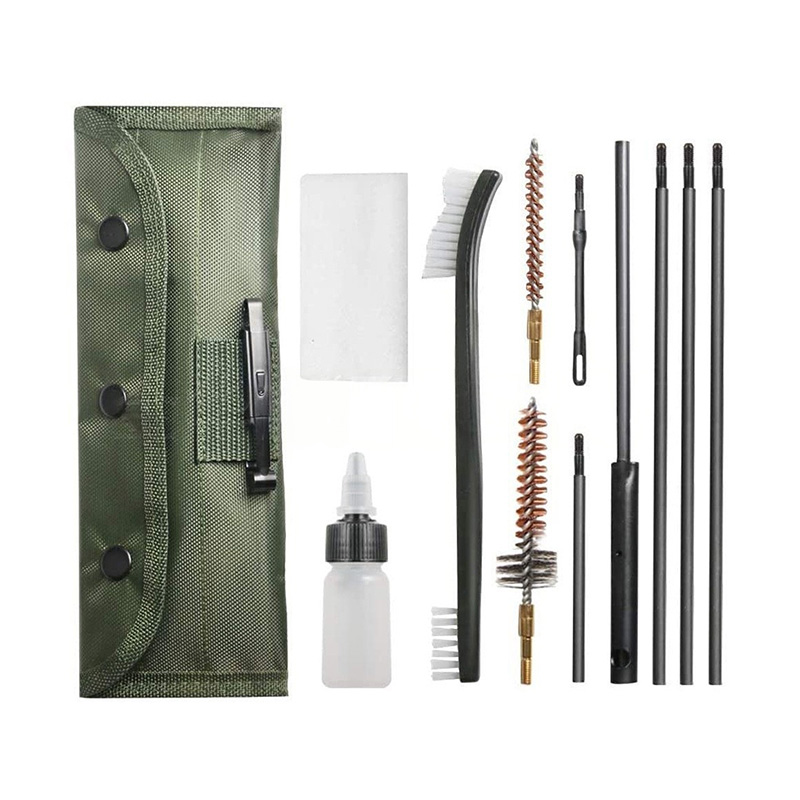
Product bundling can create additional commercial value. The spike tip adapter may be paired with cleaning rods, brass or bronze brushes, nylon brushes, cotton mops, patches, cloths, adapters, and storage cases. A complete kit allows the buyer to offer a single maintenance solution rather than selling an isolated component.
For online sellers, customized packaging and clear variation labeling can reduce customer confusion. Product pages should identify material, caliber, thread type, and included quantity in a straightforward way. Accurate descriptions are especially important when multiple similar-looking adapters are offered in one product family.
Rifles often require longer cleaning rods and caliber-specific accessories. A tapered spike tip can help guide patches and mops through the longer bore while maintaining a stable connection to the rod. The broad range of available sizes supports small-caliber sporting rifles, intermediate-caliber platforms, and larger-caliber rifles.
For rifle cleaning kits, distributors may package the adapter with a sectional or one-piece rod, brushes, patches, solvent containers, and a storage case. Brass tips may appeal to frequent users, while nylon tips may be included for careful finishing or delicate cleaning applications.
Pistol barrels are generally shorter, but access can be more compact and handling space may be limited. A properly sized tip supports controlled patch placement and helps users avoid forcing oversized cleaning materials into the bore.
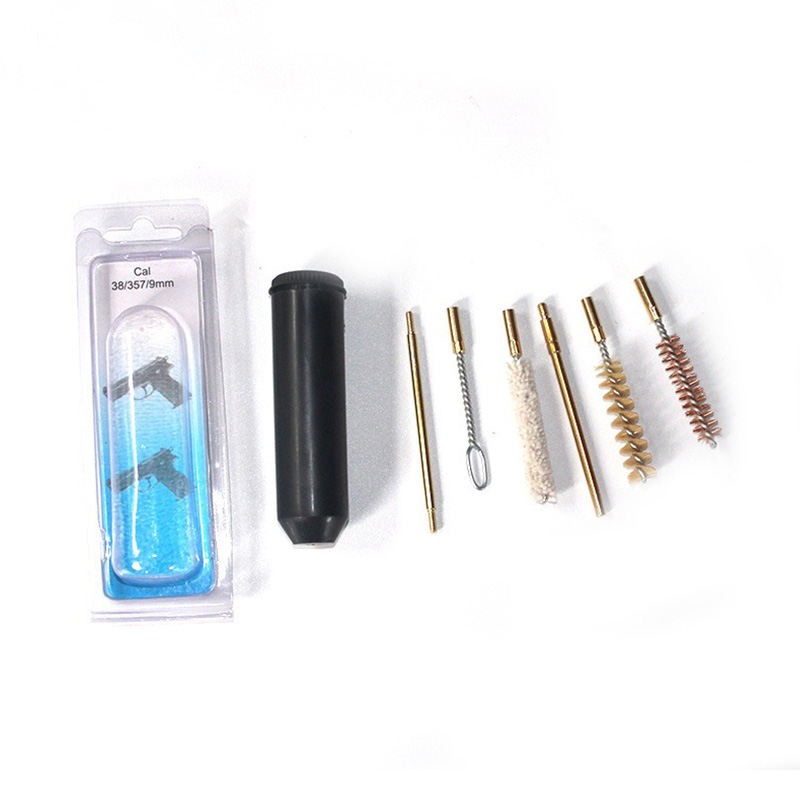
Compact pistol kits can use smaller adapters and short rods while retaining the same basic design principles. Retailers may offer caliber-specific kits for common pistol calibers or combination kits that include several adapters.
Shotgun barrels require larger cleaning accessories, and the inclusion of .410 and 12-gauge options expands the product’s usefulness beyond rifle and pistol maintenance. Shotgun kits may pair the adapter with larger mops, cloths, brushes, and rods.
Because shotgun bore dimensions differ substantially from small-caliber firearm dimensions, buyers should ensure that the selected tip and cleaning material are intended for the correct gauge. Clear assortment labeling is essential for both wholesale packaging and consumer use.
Distributors can present the adapter as a precision component within a larger bore-cleaning system. Key selling points include the brass and nylon material options, broad caliber coverage, 5-40 and 8-32 thread compatibility, tapered spike profile, centering groove, and suitability for rifles, pistols, and shotguns.
Product listings should avoid vague statements such as “universal fit” unless the exact compatibility range is clearly explained. A better presentation identifies the thread type, supported caliber, material, and included quantity. If a kit contains several sizes, each size should be identified in the title, specification panel, and package.
Retail images and packaging should make the difference between brass and nylon versions immediately visible. Color, finish, or printed labels can help customers distinguish the options. This is especially useful for warehouses and fulfillment teams handling many related products.
For professional buyers, technical information may be more important than promotional language. Product pages can include thread specifications, material information, caliber ranges, customization options, and order support. This gives importers and kit assemblers the information needed to evaluate the product for their own catalog.
A consistent bore-cleaning process usually involves selecting the correct accessory, applying an appropriate amount of cleaning solution when required, passing the accessory through the bore in a controlled manner, and inspecting the result. The spike tip adapter supports the connection and movement stage of this process.
The tapered point helps the patch or mop enter smoothly. The groove helps retain alignment. The secure threaded connection helps transfer movement from the rod to the cleaning accessory. Together, these features can reduce interruptions caused by slipping, bunching, or poorly centered attachments.
Efficiency is not only measured by speed. A controlled cleaning stroke may help users achieve more even contact and reduce the need for repeated passes. In commercial or institutional environments, a dependable small component can contribute to more consistent procedures across many firearms.
Users should follow the firearm manufacturer’s maintenance instructions and use appropriate cleaning materials. The adapter is a mechanical accessory, not a replacement for safe handling, correct disassembly procedures, or suitable cleaning chemicals.
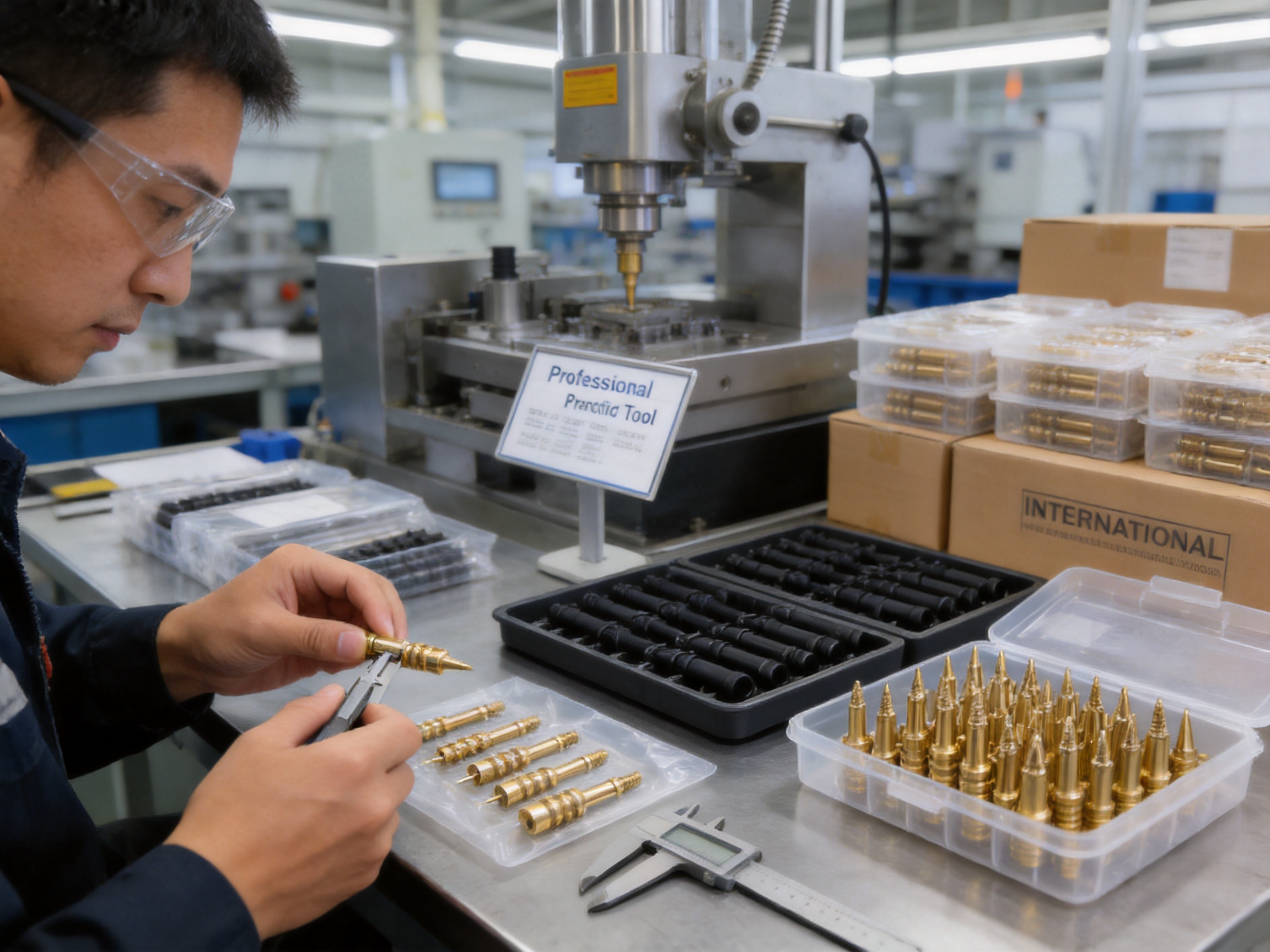
Wholesale buyers should begin by identifying the target market and firearm categories they intend to serve. A retailer focused on airguns and small-caliber sporting products may need .17, .177, and .22 options. A general firearm accessory distributor may require a broader range from .17 through .50 caliber. A shotgun-focused supplier may prioritize .410 and 12-gauge versions.
The next consideration is thread compatibility. Buyers should review their existing rods and accessories and decide whether the order should include 5-40, 8-32, or both. If the product will be packed into a new kit, all components should be tested together before production approval.
Material choice should reflect market positioning. Brass is suitable for traditional and durable product lines, while nylon supports lightweight and non-abrasive positioning. Some brands may choose to offer both in different collections.
Packaging requirements should be discussed early. Buyers should confirm whether products will be packed individually, grouped by caliber, or assembled into complete cleaning kits. Labeling should include enough information for warehouse staff and end customers to identify the correct product quickly.
Sample approval is recommended before bulk manufacturing. Samples allow the buyer to check the tip shape, finish, thread engagement, material, dimensions, packaging, and compatibility with the intended rod. Any requested changes should be documented and confirmed before mass production.
Order planning should also account for mixed specifications. A large order containing many calibers and thread types requires careful sorting and labeling. The factory and buyer should agree on carton markings, internal packaging, quantities per package, and shipment documents.
Buying directly from a specialized manufacturer can offer advantages over sourcing isolated components through general trading channels. A factory focused on gun cleaning accessories is more likely to understand the relationship between rods, tips, brushes, patches, mops, and kit packaging.
Jinhua Tongshun Tool Factory has specialized in this product field since 1999. Its experience includes development and production of gun cleaning kits, barrel cleaning brushes, cleaning rods, and related accessories. This specialization can support more informed product discussions and more coherent kit development.
The company’s integrated R&D, production, and sales structure may also simplify communication. Buyers can discuss technical requirements, packaging, private labeling, and order planning with one organization. For international customers, this can reduce the risk of specifications being lost between separate design and production suppliers.
Its semi-automatic and fully automated production systems are suited to repeat manufacturing and larger orders. This is relevant for wholesalers that need stable replenishment rather than one-time purchases. The ability to support recurring orders can help brands maintain product availability across online and offline channels.
The company provides OEM and ODM services, including customized products, packaging, and logos. This gives buyers flexibility to begin with a standard adapter and later develop a more distinctive private-label assortment. Its reported export experience across more than 50 countries and regions also demonstrates familiarity with international distribution requirements.
Firearm maintenance should always be performed with the firearm unloaded and pointed in a safe direction. Users should follow the firearm manufacturer’s instructions for unloading, disassembly, cleaning, lubrication, and reassembly. Ammunition should be kept away from the cleaning area.
The correct tip size and cleaning material should be selected for the bore. Users should never force an oversized patch, mop, or brush through the barrel. Excessive force can damage the accessory, cleaning rod, or firearm and may create an unsafe condition.
The cleaning rod should remain aligned with the bore during use. A bore guide may be appropriate for some firearms, especially when users want to protect the chamber and throat area. Solvents and lubricants should be used according to their labels and stored safely.
After cleaning, the firearm should be inspected carefully and reassembled according to the manufacturer’s instructions. Before use, the user should confirm that no patch, mop, brush, or other object remains in the barrel.
A spike tip adapter connects a cleaning rod with a patch, cotton mop, or related bore-cleaning material. Its tapered point helps guide the attachment into the barrel, while the centering groove helps keep the material aligned during cleaning.
The product is described as available in brass and nylon. Brass provides a rigid, corrosion-resistant option with a traditional metal construction. Nylon is lightweight and non-abrasive, making it suitable for users who prefer a softer contact material.
Available options cover a broad range from approximately .17 caliber to .50 caliber, with listed options including .177, .22, .243, 6 mm, .25, 6.5 mm, .270, 7 mm, .30, .35, .357, .38, 8 mm, 9 mm, .375, .40, .416, .44, .45, and .50 caliber. .410 caliber and 12-gauge options are also listed. Exact availability should be confirmed for each order.
The listed thread specifications are 5-40 and 8-32. Buyers should verify the thread on their existing cleaning rod before ordering and should request samples when compatibility is critical.
Yes. The product is intended for use with rifles, pistols, and shotguns when the correct caliber and thread configuration are selected.
Yes. Customization is available, including OEM and ODM support, product combinations, packaging, and logos. Buyers should discuss minimum order quantities, sample approval, material, labeling, and packaging requirements with the factory.
The groove helps retain the patch or mop around the tip and encourages more centered movement through the bore. This can support more even contact and reduce unwanted shifting during the cleaning stroke.
Neither material is universally better. Brass may be preferred for rigidity and traditional durability, while nylon may be preferred for light weight and non-abrasive contact. The best choice depends on the firearm, cleaning method, market position, and user preference.
Yes. It can be combined with cleaning rods, brushes, cotton mops, patches, cleaning cloths, storage cases, and other accessories. A complete kit may be more attractive to retailers and end users than a standalone fitting.
The buyer should confirm material, caliber, thread type, dimensions, surface finish, quantity, packaging, logo requirements, approved samples, inspection standards, shipping marks, and any applicable documentation. Product descriptions should also distinguish brass, nylon, and copper-related configurations if more than one material specification is offered.
The Gun Cleaning Accessories Spike Tip Adapter Parts Tool Kit is a practical and versatile component for firearm bore maintenance. Its tapered spike profile, integrated centering groove, multiple caliber options, and 5-40 and 8-32 thread configurations address several common requirements in modern cleaning systems.
The brass version provides a durable and precise metal option, while the nylon version offers a lightweight and non-abrasive alternative. Together, these materials allow retailers, distributors, and kit manufacturers to serve a wider range of users and price segments.
Compared with basic generic fittings, the product offers clearer attention to accessory control, alignment, thread compatibility, and product-line flexibility. It can be used in rifle, pistol, and shotgun cleaning applications and can be integrated into compact consumer kits, professional maintenance sets, or private-label programs.
Behind the product is a specialized manufacturer with experience dating back to 1999, production systems that include semi-automatic and fully automated equipment, international export experience, and OEM and ODM capabilities. Jinhua Tongshun Tool Factory can support customized products, packaging, and logos for buyers developing their own firearm maintenance accessory lines.
For wholesale customers, the most effective purchasing approach is to confirm the exact material, caliber, thread configuration, packaging, and quality requirements before production. With proper specification control and responsible use, this spike tip adapter can serve as a dependable part of a broader gun cleaning product portfolio.
1. Product specification and application information supplied for the Gun Cleaning Accessories Spike Tip Adapter Parts Tool Kit.
2. Manufacturer information supplied for Jinhua Tongshun Tool Factory, including company history, production capabilities, export markets, and OEM/ODM services.
3. General firearm maintenance principles concerning unloaded firearms, correct accessory sizing, controlled cleaning-rod movement, and bore inspection.
4. General product development and quality-control considerations for threaded cleaning accessories, caliber-specific components, packaging, and private-label manufacturing.