English
 русский
 Español
 عربى

HUNTACE HUNTACE HUNTACE HUNTACE HUNTACE
HUNTACE HUNTACE HUNTACE HUNTACE

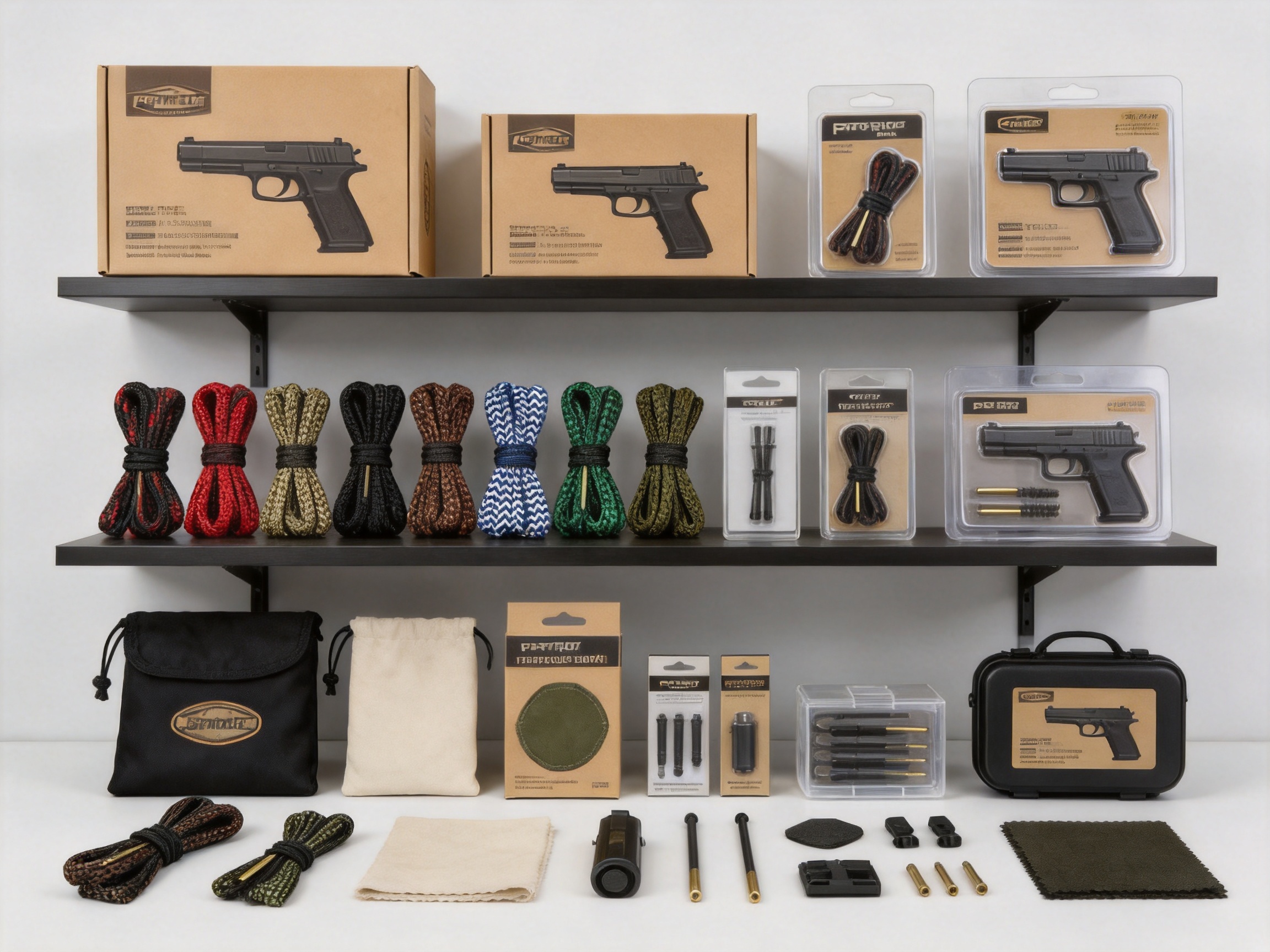
Reliable firearm maintenance depends on using the right cleaning tool for the bore, the firearm type, and the operating environment. A cleaning solution that works well in a workshop may be inconvenient on a hunting trip, at a shooting range, or during field servicing. Traditional cleaning rods remain useful for detailed maintenance, but they often require separate brushes, jags, adapters, patches, and storage cases. Assembly takes time, and carrying every accessory can add unnecessary weight and bulk.
The Portable Gun Cleaning Rope Snake Brush for Hunting provides a practical pull-through alternative. It combines a flexible rope body with an integrated phosphor bronze or copper-wire brush section, allowing users to clean the bore in one continuous operation. The design is compact, lightweight, reusable, and suitable for distributors, shooting-supply retailers, hunting-equipment suppliers, and firearm accessory brands seeking a versatile product for their catalogs.
Manufactured by Jinhua Tongshun Tool Factory, the product is available in a broad range of caliber specifications. Options cover shotgun gauges such as 10GA, 12GA, 16GA, 20GA, 28GA, and 410GA, together with common rifle and handgun sizes ranging from .17 caliber to .54 caliber. Metric options include 9mm, 5.56mm, 7.62mm, 6mm, 6.5mm, 7mm, and 8mm.
Beyond its basic cleaning function, the rope snake brush is also designed for OEM and ODM programs. Buyers can request customized rope colors, logo printing, packaging formats, product combinations, and retail presentation. This makes the product suitable not only for direct use but also for private-label programs and complete firearm maintenance kits.
The Portable Gun Cleaning Rope Snake Brush for Hunting is an all-in-one bore-cleaning tool. Its principal components are a flexible braided rope, an integrated metal brush, and a pull-through end designed to guide the tool through the firearm bore. Depending on the caliber specification, the brush section is sized to match the internal diameter of the barrel.
During use, the firearm must first be completely unloaded and pointed in a safe direction. The rope is then introduced from the appropriate end of the barrel in accordance with the firearm manufacturer’s instructions. A controlled pull draws the brush through the bore, helping loosen carbon fouling, copper residue, powder deposits, dust, and excess oil. A cloth or patch may be used separately when a final wipe or lubrication step is required.
Unlike a conventional rod system, this product does not require the user to connect multiple rod sections before beginning a basic cleaning pass. The rope remains flexible and can be folded or coiled for storage. It is particularly convenient for field kits where portability, speed, and low storage volume are important.
The product is identified in the supplied specifications as a bristle brush with copper-wire bristles, a black color option, a total length of approximately 200 millimeters in the listed product information, and a bristle length of approximately 100 millimeters. Because exact dimensions can vary by caliber and order configuration, purchasers should confirm the final technical drawing and specification sheet before mass production.
A pull-through rope can shorten the preparation time associated with routine bore cleaning. Users do not need to assemble several rigid sections or search for a separate brush of the correct diameter. The flexible body can be stored in a compact pouch, toolbox, hunting bag, or range case.
This speed is especially valuable when a firearm is used in changing weather conditions or dusty outdoor environments. A quick cleaning pass can help remove loose contaminants before storage or before the firearm is returned to service. For professional users, retailers, and range operators, the simplified design also makes the tool easy to demonstrate to customers.
Rigid cleaning rods occupy more linear space and may require a protective tube or case. A rope snake brush can be coiled without taking up the same amount of room. This allows a firearm accessory supplier to include it in compact maintenance kits, small retail packages, travel cases, and outdoor equipment bundles.
A traditional cleaning setup may require a rod, handle, adapter, jag, brush, patch holder, and separate storage container. The rope snake brush combines the main brushing function into one tool. It does not replace every accessory needed for comprehensive firearm maintenance, but it can reduce the number of components required for routine bore cleaning.
The flexible rope follows the general path of the bore rather than behaving like a long rigid shaft. This structure can help reduce the risk of hard contact between a rigid rod and the rifling or muzzle crown when the tool is used correctly. Users should still follow safe cleaning procedures and avoid pulling the product at an angle or forcing an obstruction through the barrel.
The integrated metal brush is designed to loosen deposits that may accumulate during normal firearm use. These deposits can include carbon fouling, copper residue, powder particles, dust, and excess lubricant. The brush section provides mechanical action as it passes through the bore, while the rope body supplies flexibility and pulling strength.
For normal maintenance, the tool may be used dry to remove loose residue or with a suitable bore-cleaning solution when the firearm manufacturer permits chemical cleaning. Solvents and lubricants should be selected according to the firearm manufacturer’s recommendations. After using any chemical product, the bore should be wiped and inspected as required.
The tool can support several cleaning stages. A preliminary pass may remove loose particles. A solvent-assisted pass may help loosen more persistent fouling. A final cloth or patch pass can help remove remaining residue and excess cleaning fluid. Since the rope snake brush is reusable, users should clean and dry the tool after use and inspect the brush and rope before the next cleaning session.
The copper-wire or phosphor-bronze brush material offers a useful balance between cleaning action and compatibility with common firearm bore surfaces. It is generally selected for its ability to provide effective mechanical brushing without the aggressive characteristics associated with harder steel tools. Correct caliber selection remains essential, and users should never force an incorrectly sized brush through a barrel.
One of the product’s strongest commercial advantages is its broad specification range. The available options are intended to support shotguns, rifles, pistols, and other compatible firearms. The selection includes both gauge designations and caliber measurements, which allows distributors to build a product range for different regional markets.
| Firearm category | Representative specifications | Typical commercial application |
|---|---|---|
| Shotguns | 10GA, 12GA, 16GA, 20GA, 28GA, 410GA | Hunting, sport shooting, outdoor retail, and firearm maintenance kits |
| Handguns | .17 caliber, 9mm, .22 caliber, .30 caliber, .38 caliber, .45 caliber | Personal firearm maintenance, range use, and retail accessory sales |
| Rifles | 5.56mm, 6mm, 6.5mm, 7mm, 7.62mm, 8mm, .54 caliber | Sport shooting, hunting, professional maintenance, and outdoor supply channels |
| Combined product codes | Examples include .12, .22, .30, .38, and .45 specifications | Catalog organization, private-label programs, and kit configuration |
The listed specifications include G02 for 22 caliber, .223, and 5.56 millimeter applications, and G03 for 38 caliber, .357, and .380 applications. Exact compatibility should always be confirmed against the firearm’s bore specification, because similar numerical designations do not automatically mean that every brush is interchangeable.
For wholesale customers, offering multiple specifications can simplify purchasing. Instead of sourcing a different basic cleaning tool from several suppliers, a distributor may consolidate a broader range through one factory. This can improve product consistency, simplify packaging development, and support coordinated retail displays.
Cleaning rods may be supplied in one piece or in several sections. Multi-piece rods are convenient for storage but need to be assembled before use. They may also require a compatible handle, adapter, and brush. The rope snake brush is supplied as an integrated pull-through tool, reducing the number of preparation steps for routine bore cleaning.
A rope is easier to coil and pack than a long rigid rod. This is useful for hunting equipment, range bags, compact emergency kits, and travel-oriented accessory packages. A small package also provides more flexibility for e-commerce fulfillment and retail shelf placement.
Products with fewer separate components are generally easier for new users to understand. A clearly labeled caliber option and a straightforward pull-through process can reduce confusion during routine maintenance. This simplicity is commercially valuable for retailers that sell to first-time firearm owners, occasional sports shooters, and outdoor customers.
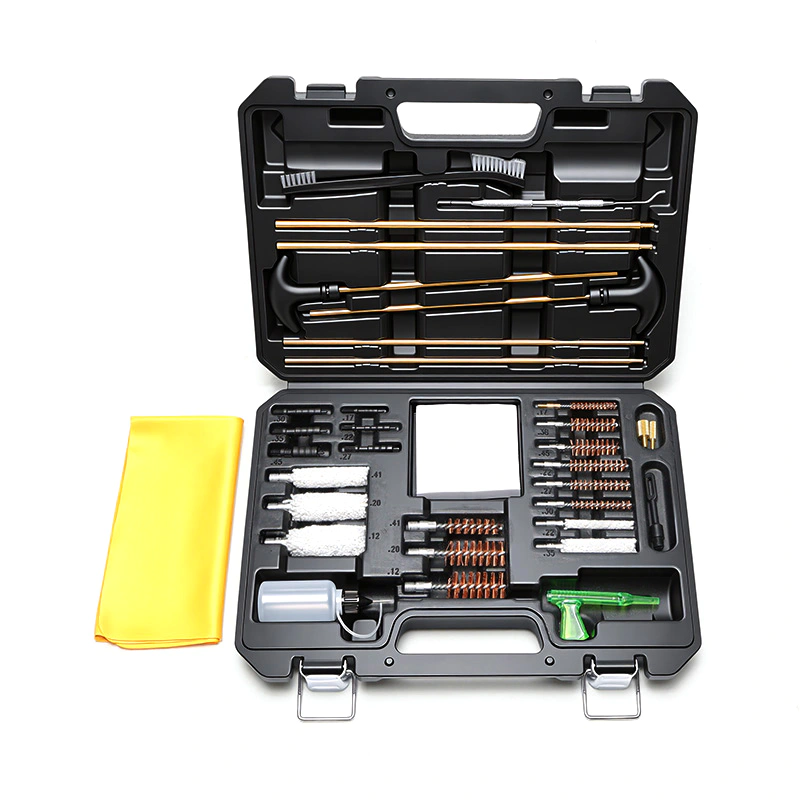
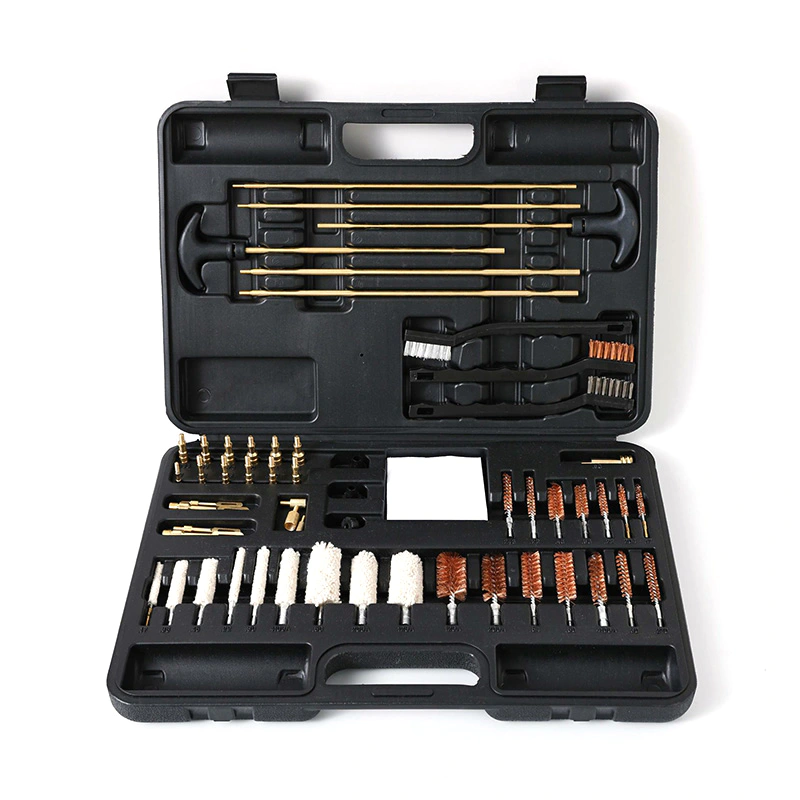
The rope snake brush can be combined with gun mats, cleaning rods, nylon brushes, brass brushes, patches, cloths, oil bottles, and storage cases. A supplier can therefore offer the product as a standalone accessory or as part of a tiered product range. For example, an entry-level package may contain one rope snake brush and a cloth, while a professional kit may add rods, adapters, multiple brushes, and maintenance chemicals.
Compact products can simplify packaging design and warehouse handling. They may also allow retailers to create more efficient assortments for different calibers. The final logistics advantages depend on packaging dimensions, order volume, and shipping arrangements, but the flexible structure provides a useful foundation for compact retail presentation.
A basic bore brush generally requires an additional rod or handle. Without the rod, the brush cannot be pulled through the barrel in a controlled way. The integrated rope design combines the brushing element and the pulling structure, which makes it more complete as a field-cleaning tool.
The product also offers a more convenient storage format. A loose brush can be misplaced easily, while an integrated rope and brush assembly remains together. This reduces the chance of a user carrying a brush that is not compatible with the available rod or adapter.
For private-label customers, the integrated format provides more opportunities for visual differentiation. Buyers can select rope colors, add logos, develop custom packaging, and create product names for specific market segments. A simple accessory therefore becomes a recognizable part of a broader maintenance brand.
The rope body is made for flexible pull-through use, while the brush section uses copper wire or phosphor bronze-type bristles according to the selected configuration. The supplied information also lists cotton as a handle material and identifies the product as a strip-shaped brush. Because different production versions may use different component layouts, commercial buyers should confirm the final material schedule before approving an order.
The black color option provides a practical appearance for outdoor and workshop products. It can help conceal ordinary discoloration from cleaning chemicals and residue, although all cleaning tools should still be washed or wiped after use. Rope color customization is available for OEM and ODM programs, allowing buyers to align the product with a retail brand or a specific caliber family.
Material selection affects product durability, cleaning performance, chemical resistance, and appearance. The factory’s production controls include brush-filament fixing tests, tensile-strength testing, and performance inspection. These tests are important because a pull-through tool must maintain a secure connection between the rope and brush during repeated use.
Brush filaments must remain securely attached during pulling and brushing. A filament-fixing inspection helps identify loose bristles or weak attachment points before products are packed. This is particularly important for a reusable tool intended for repeated field service.
The rope and connection points experience pulling force during use. Tensile testing helps evaluate whether the assembly can withstand normal handling and cleaning loads. The correct test standard and acceptance value should be agreed upon with the buyer for each product configuration.
Performance checks may include visual inspection, dimensional verification, brush alignment, connection integrity, and sample cleaning evaluation. These checks help maintain consistency across production batches and reduce the risk of mixed specifications in a wholesale shipment.
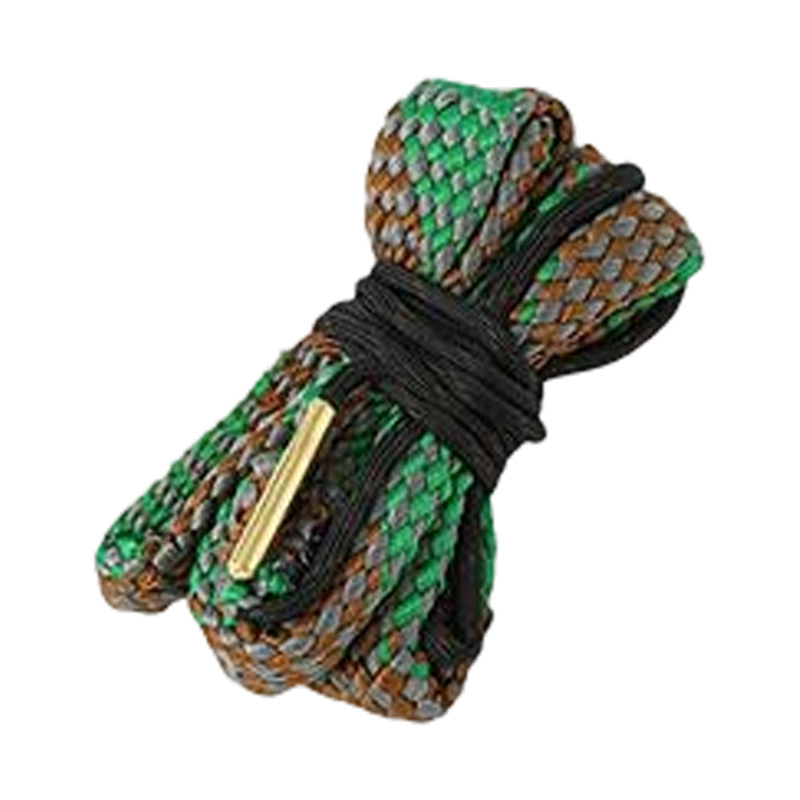
Portable Gun Cleaning Rope Snake Brush for Hunting
Jinhua Tongshun Tool Factory is a China-based manufacturer located in Jinhua, Zhejiang Province. Established in 1999, the company integrates research and development, production, and sales. Its product range focuses on gun cleaning kits, barrel cleaning brushes, cleaning rods, patches, cloths, and related firearm maintenance accessories.
With more than 26 years of manufacturing experience, the factory has developed production knowledge in brush assembly, cleaning-tool configuration, packaging, and private-label service. This experience is valuable for buyers that require repeatable specifications rather than occasional spot purchasing.
An integrated operating structure allows product development and manufacturing teams to communicate more directly. Customers can discuss caliber requirements, rope construction, brush materials, branding, and packaging with a supplier familiar with the actual production process. This can reduce misunderstandings during sampling and improve the transition from prototype to mass production.
The factory operates semi-automatic and fully automated production systems. Automation can support more consistent assembly, improve production efficiency, and help manage larger orders. Semi-automatic processes remain useful for customized configurations and product variations that require flexible adjustment.
For OEM and ODM customers, a combination of automated and flexible production is important. Fully standardized steps can support repeatability, while adjustable processes can accommodate different rope colors, labels, packaging formats, and caliber combinations.
The company reports strict quality-control processes that include brush filament fixing tests, tensile strength testing, and performance inspection. These controls are directly relevant to rope snake brushes because the tool’s reliability depends on the strength of its connections and the consistency of its cleaning section.
The factory’s products are exported to more than 50 countries and regions. This international experience can help buyers manage product documentation, packaging expectations, regional assortment requirements, and cross-border supply planning. The stated main sales region includes Europe, while the product is also suitable for global distributors and online retail channels.
Available customization services include private labeling, logo printing, rope-color selection, appearance adjustments, and packaging development. Packaging options may include blister packs, polyethylene bags, transparent plastic boxes, and customized retail packaging.
For a brand owner, packaging is not merely a protective layer. It communicates caliber compatibility, usage instructions, safety reminders, product advantages, and brand identity. A factory that can coordinate product assembly and packaging development can help reduce the number of outside suppliers involved in the launch process.
The rope snake brush is well suited to private-label product programs because its basic design can be adapted to different market positions. A budget line may use a simple bag or carded package. A mid-range product can include a printed retail box and a storage pouch. A premium kit may combine several caliber options with patches, oil bottles, a cleaning mat, and detailed instructions.
Logo printing can be applied to suitable product or packaging surfaces depending on the chosen material and order quantity. Buyers may also request color coding by caliber. For example, a distributor could assign different rope colors to handgun, rifle, and shotgun sizes, making product selection easier for warehouse personnel and end users.
Appearance adjustments can include label layout, packaging graphics, accessory combinations, and retail display format. Product changes should be reviewed through a sample approval process. The sample should confirm dimensions, color, brush size, printing quality, packaging fit, and the accuracy of all caliber markings.
Flexible MOQ support is available for sample testing and customized order solutions. The exact minimum order quantity depends on the required customization, packaging method, materials, and production schedule. Buyers should request a formal quotation that separates sample fees, tooling or artwork charges, unit pricing, packaging costs, and shipping terms.
Hunters often prioritize compact and dependable equipment. A rope snake brush can be included in a field maintenance pouch or sold as an accessory near firearm cases, ammunition storage products, and outdoor cleaning supplies. Its flexible design is especially attractive when customers want to minimize the number of rigid tools in a field bag.
Shooting ranges may require cleaning supplies for rental firearms, training equipment, or customer service areas. A range operator can use caliber-specific rope snake brushes for quick routine maintenance between more comprehensive cleaning sessions. Clear labeling and organized storage are important in this environment.
Professional armorers, gunsmiths, and maintenance teams may use pull-through tools as part of a broader cleaning procedure. The rope snake brush is not intended to replace inspection equipment, specialized rods, chamber tools, or manufacturer-approved maintenance procedures. However, it can serve as an efficient bore-cleaning component within a professional workflow.
The compact size and broad caliber range make the product suitable for online product catalogs. Sellers can create separate listings by caliber, offer multi-pack options, or include the rope snake brush in complete cleaning kits. Accurate product titles, specification charts, compatibility notes, and safety instructions are important for reducing customer confusion and returns.
Retail buyers can use the product to build a coordinated assortment across several firearm categories. Standardized packaging and consistent branding help create a unified shelf presentation. Wholesale customers may also request mixed-caliber cartons to test demand in different regions before committing to larger quantities.
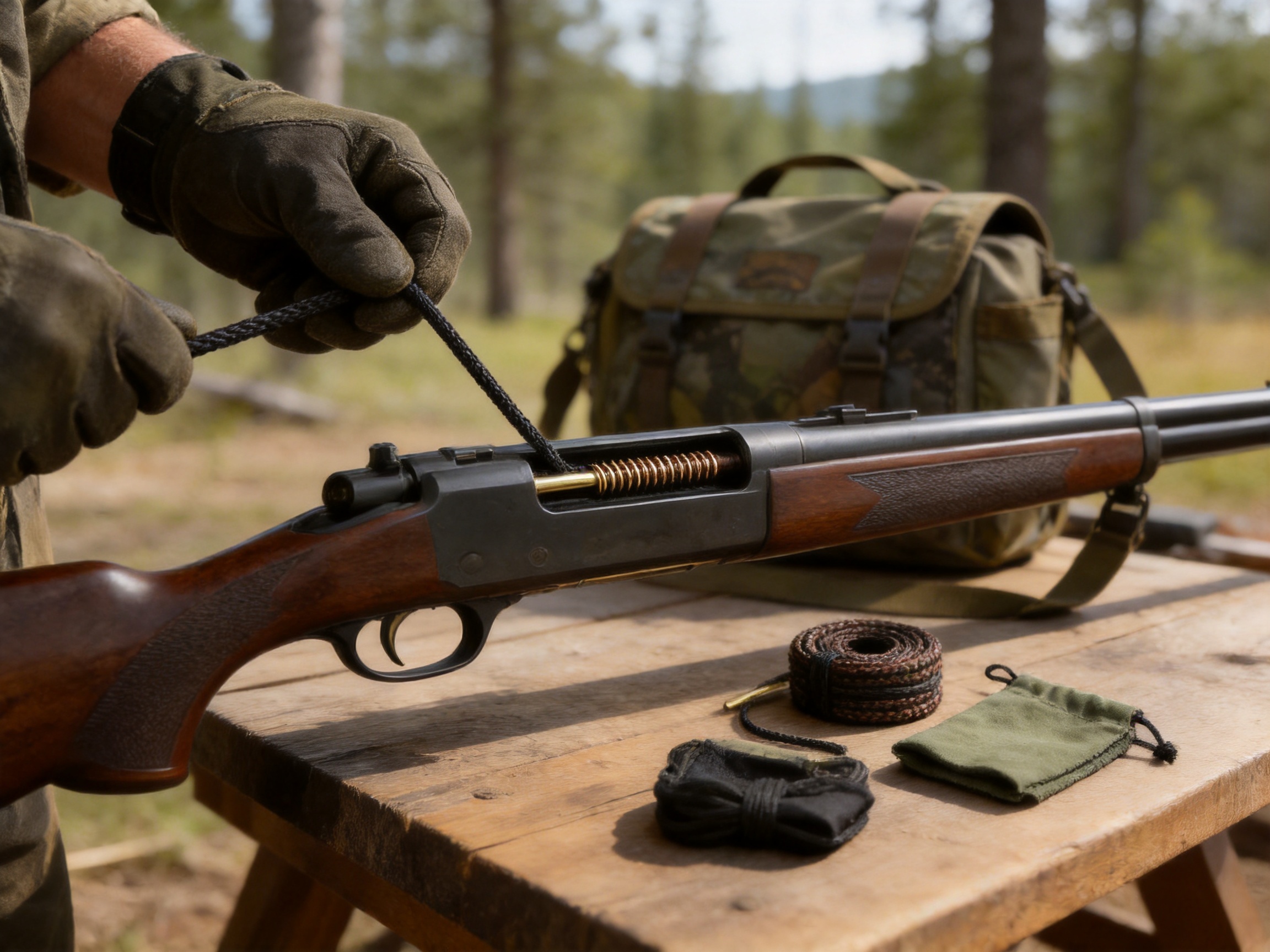
A practical standalone package should clearly identify the compatible caliber or gauge on the front panel. It should also include the product name, brush material, basic use instructions, storage guidance, and a warning that the firearm must be completely unloaded before cleaning.
A more complete package may include a cleaning cloth, a small bottle of approved lubricant, a storage pouch, or a second tool for a different firearm. Kit contents should be listed clearly so that customers understand which components are included and which are not.
For distributors, a mixed assortment may include common handgun sizes such as 9mm, .22, .38, .357, .380, and .45, together with rifle sizes such as 5.56mm and 7.62mm and shotgun gauges such as 12GA and 20GA. The ideal assortment depends on regional demand, customer demographics, and the retailer’s existing product range.
Safety is the first requirement for any firearm cleaning procedure. Before using a rope snake brush, the firearm must be unloaded, the chamber must be checked, and the user must follow the firearm manufacturer’s instructions. Ammunition should be kept away from the cleaning area.
The user should select the correct caliber or gauge. A brush that is too large may become difficult to pull and could damage the tool or firearm. A brush that is too small may not provide adequate contact with the bore. Caliber markings should be checked before every use, particularly when several rope snake brushes are stored together.
The bore should be inspected for obstructions before and after cleaning. The rope should be pulled smoothly and should not be forced through a blocked barrel. If unusual resistance occurs, the user should stop and identify the cause rather than applying excessive force.
Cleaning chemicals should be used in a ventilated area and according to their labels. After solvent use, the rope snake brush should be cleaned or wiped as appropriate and allowed to dry before storage. The tool should be inspected for fraying, loose bristles, damaged connections, or other signs of wear.
Because the rope snake brush is a maintenance accessory rather than a firearm component, it should be stored away from children and unauthorized users. Retail packaging should include clear safety language and should avoid implying that the product is suitable for every firearm without confirming the caliber specification.
Wholesale buyers should evaluate more than the appearance of a sample. Important purchasing considerations include brush material, rope construction, connection strength, total length, bristle length, caliber accuracy, packaging quality, labeling, and batch consistency.
Buyers should request a sample for each important caliber family. A sample review can verify that the brush passes through the intended bore size smoothly, that the connection remains secure under normal pulling force, and that the packaging correctly identifies the product.
It is also useful to establish a written quality agreement. This document may define acceptable dimensional tolerances, color variation, printing quality, packaging materials, inspection methods, defect classification, and replacement procedures. A clear quality agreement supports more consistent cooperation during repeat orders.
For customized products, artwork should be approved before production. Buyers should verify spelling, logos, barcode information, caliber markings, warning statements, country-of-origin information, and carton labels. Packaging artwork errors can be expensive to correct after printing, so pre-production approval is recommended.
Many firearm cleaning products compete in visually similar categories. A private-label buyer can differentiate this rope snake brush through product organization, packaging clarity, accessory combinations, and educational content.
Color coding is one practical option. Different rope colors can identify handgun, rifle, and shotgun specifications. Another option is to use a consistent icon system showing the compatible firearm category and caliber. This can improve the shopping experience both online and in physical stores.
Brands can also create separate product tiers. A basic product may focus on affordability and portability. A field model may include a storage pouch and cloth. A professional maintenance kit may add multiple brushes, rods, patches, and cleaning accessories. The factory’s OEM and ODM capabilities can support these variations while maintaining a common product identity.
Instructional content is another source of differentiation. Packaging can explain how the pull-through design works, how to select the correct specification, how to inspect the tool, and how to store it after use. Clear information builds customer confidence and helps reduce improper use.
The broad specification range allows distributors to serve several customer groups through one product family. A buyer can order common sizes for immediate sales while adding less common specifications for specialized customers. This approach can support both high-volume and niche markets.
The product also complements other categories in the manufacturer’s portfolio, including gun cleaning kits, bronze and brass brushes, bore mops, nylon brushes, cleaning rods, adapters, patches, and cloths. A distributor can use the rope snake brush as an entry product and introduce customers to higher-value complete kits.
Factory-direct sourcing may provide advantages in communication, customization, and production coordination. Jinhua Tongshun Tool Factory offers sample testing, flexible MOQ support, and customized order solutions for distributors, wholesalers, outdoor product suppliers, cross-border sellers, retail chains, and firearm accessory brands.
Order planning should consider the number of caliber options, packaging configuration, inspection requirements, production lead time, carton dimensions, and destination-market documentation. A detailed purchase specification helps the factory prepare an accurate quotation and reduces the risk of misunderstandings.
The rope snake brush is designed as a reusable tool rather than a single-use cleaning item. Reuse can reduce the number of disposable components required for basic bore maintenance. Proper cleaning and drying after each use can extend service life and maintain performance.
Packaging choices can also be reviewed during product development. PE bags, blister packs, transparent plastic boxes, and custom retail packaging provide different balances of visibility, protection, shelf presentation, and material use. Buyers may select packaging according to their market, shipping conditions, and sustainability objectives.
Environmental claims should be based on documented material and packaging information. If a buyer wants recyclable packaging or reduced-plastic packaging, the requirement should be discussed with the factory during the quotation and sampling stage.
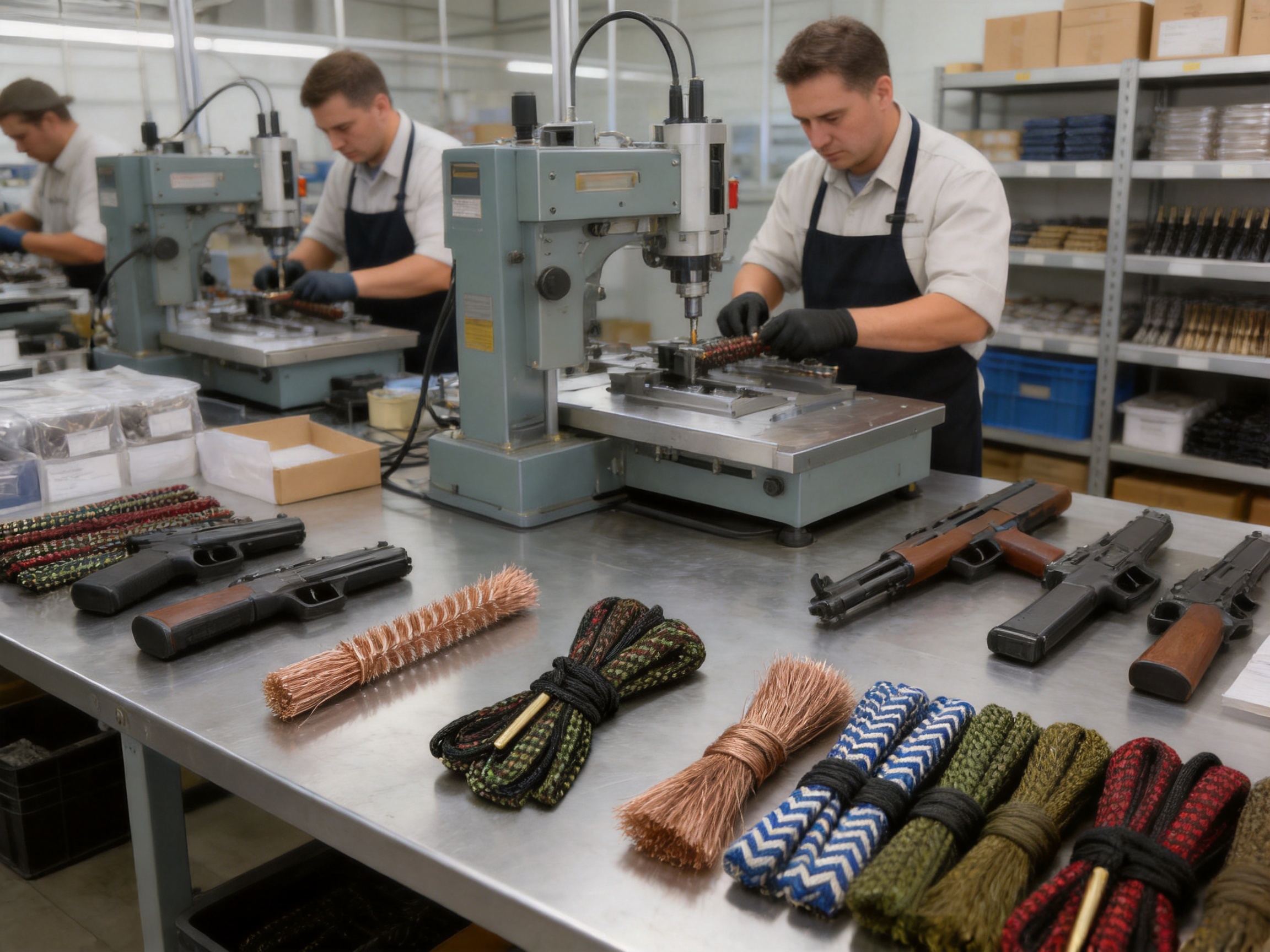
It is a pull-through bore-cleaning tool that combines a flexible rope body with an integrated metal brush. The rope guides the brush through the bore and allows the user to complete a basic cleaning pass without assembling a conventional multi-part rod system.
Available options cover multiple shotgun gauges, rifle calibers, and handgun calibers. Examples include 10GA, 12GA, 16GA, 20GA, 28GA, 410GA, .17 caliber, .22 caliber, .30 caliber, .38 caliber, .45 caliber, .54 caliber, 9mm, 5.56mm, 6mm, 6.5mm, 7mm, 7.62mm, and 8mm. Buyers should confirm the exact available specification before ordering.
Yes, provided that the correct caliber version is selected. A brush designed for one bore size should not be forced through another bore. Product labels and packaging should clearly identify the compatible caliber.
It may be used with a suitable firearm-cleaning solution when permitted by the firearm manufacturer and the cleaning-product instructions. Users should avoid incompatible chemicals, work in a ventilated area, and clean or dry the rope snake brush after use.
It can replace the need for a rod during some routine pull-through cleaning tasks, but it does not replace every tool used in comprehensive firearm maintenance. Rods, adapters, chamber tools, patches, mops, and specialized brushes may still be required depending on the firearm and cleaning procedure.
The rope snake brush integrates the brush with the pulling structure, so the user does not need a separate rod or handle for a basic pull-through pass. It also remains as one connected tool, which can make storage and field use more convenient.
The supplied information identifies copper wire as the bristle material and describes the product content as using an integrated phosphor bronze brush. The final material should be confirmed in the approved product specification for each order.
Yes. OEM and ODM services support rope-color customization, subject to production requirements and order quantities. Color coding can be used to distinguish caliber families or match a private-label brand identity.
Possible packaging formats include blister packs, PE bags, transparent plastic boxes, and customized retail packaging. The final packaging depends on the buyer’s artwork, protection requirements, retail channel, and order configuration.
Yes. It can be combined with gun mats, cleaning rods, adapters, brushes, patches, cloths, and oil bottles. Kit contents can be developed for entry-level, outdoor, professional, or private-label product lines.
The factory reports brush filament fixing tests, tensile strength testing, and performance inspection. Buyers may also establish additional inspection requirements for dimensions, color, packaging, printing, and caliber markings.
The product is manufactured by Jinhua Tongshun Tool Factory in Jinhua, Zhejiang Province, China. The company has operated since 1999 and supplies firearm cleaning products to international markets.
The buyer should confirm caliber specifications, brush material, rope construction, dimensions, color, logo requirements, packaging format, MOQ, sample approval, inspection standards, production schedule, carton details, and shipping terms.
The Portable Gun Cleaning Rope Snake Brush for Hunting combines the essential advantages of a flexible pull-through design with an integrated metal brush. Its compact format, broad caliber coverage, reduced accessory requirements, and suitability for field servicing make it a practical addition to firearm maintenance assortments.
Compared with conventional multi-piece rod systems and loose single-function brushes, the product offers a simpler user experience and a more portable storage solution. It can be sold as a standalone accessory or incorporated into complete cleaning kits containing rods, patches, cloths, mats, oil bottles, and additional brushes.
For distributors and private-label brands, the product provides substantial customization potential. Rope colors, logos, appearance, packaging, and product combinations can be adapted for different markets. Jinhua Tongshun Tool Factory supports these programs through integrated R&D and production, semi-automatic and automated manufacturing systems, quality-control testing, sample development, flexible MOQ support, and international supply experience.
When the correct specification is selected and the tool is used according to safe firearm-maintenance procedures, this rope snake brush can help make routine bore cleaning faster, more portable, and easier to organize. Its broad application range and OEM capability make it suitable for hunting suppliers, shooting ranges, outdoor wholesalers, retail chains, e-commerce sellers, and firearm accessory brands seeking a practical and customizable maintenance product.
1. Product specification materials supplied for the Portable Gun Cleaning Rope Snake Brush for Hunting.
2. Manufacturer information supplied by Jinhua Tongshun Tool Factory, including company history, production capabilities, OEM and ODM services, and quality-control procedures.
3. General firearm maintenance principles concerning unloaded-firearm verification, correct caliber selection, bore inspection, cleaning-solvent handling, and post-cleaning storage.
4. General product-development practices for private-label packaging, sample approval, dimensional inspection, tensile testing, and brush-filament fixing inspection.
5. General retail and wholesale considerations for firearm cleaning kits, bore brushes, cleaning rods, patches, cloths, and pull-through maintenance accessories.