English
 русский
 Español
 عربى

HUNTACE HUNTACE HUNTACE HUNTACE HUNTACE
HUNTACE HUNTACE HUNTACE HUNTACE

Rope maintenance is often overlooked until dirt, sand, grease, and surface residue begin affecting handling and service life. In marine operations, outdoor equipment, industrial workshops, and lifting applications, regular cleaning helps keep ropes in usable condition. Choosing the right Rope Nylon Steel Cleaner brush is an important part of this process. Different rope materials require different cleaning approaches, and using an unsuitable brush may cause unnecessary fiber wear or leave stubborn deposits behind.
Ropes are exposed to different types of contamination depending on where they are used. Outdoor ropes collect dust and mud, marine ropes may accumulate salt and organic residue, while industrial ropes can become coated with grease and workshop debris.
A brush that is too aggressive may damage synthetic fibers, while one that is too soft may struggle with firmly attached dirt. Matching brush material and stiffness to the rope surface helps balance cleaning performance with material protection.
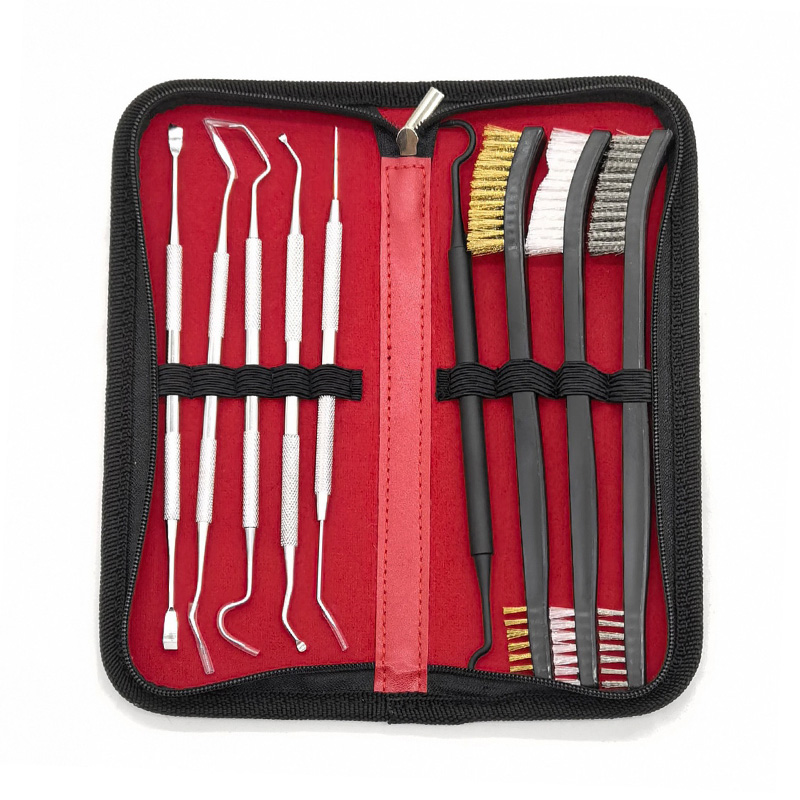
Nylon bristles are suitable for routine cleaning tasks involving many synthetic ropes. Their flexibility allows them to reach between rope strands and remove loose dirt without relying on excessive scraping force.
For nylon, polyester, and other synthetic ropes, users should consider:
Gentle brushing with an appropriate cleaning solution can help remove everyday contamination. Always follow the rope supplier's care instructions, particularly for coated or specially treated ropes.
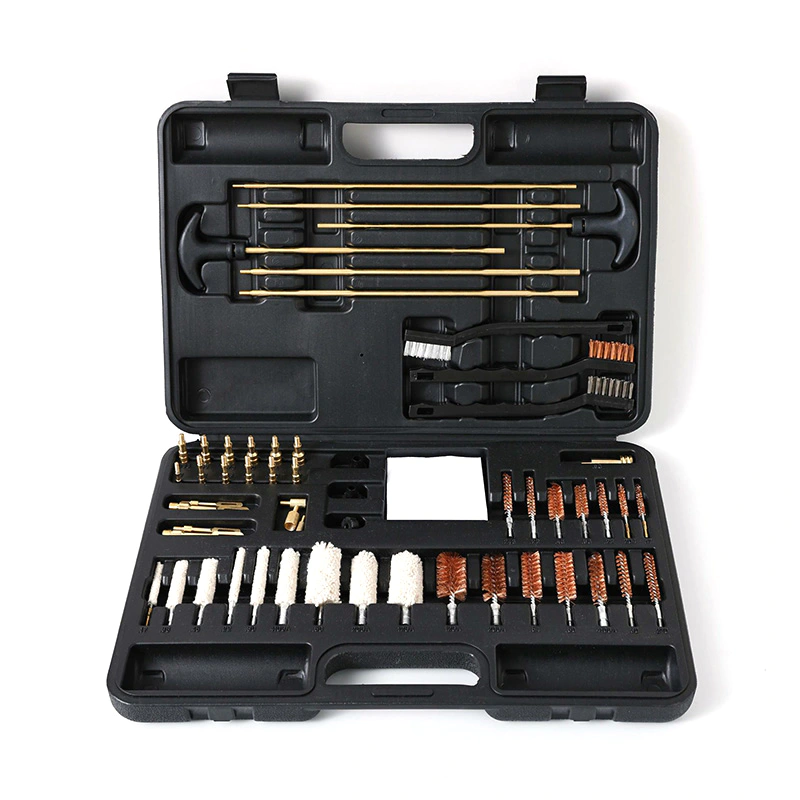
Steel wire brushes are designed for tougher cleaning requirements, especially when dealing with durable metal components or compatible hard surfaces. In some maintenance environments, they can help remove rust, compacted residue, and stubborn deposits.
However, steel bristles should not automatically be used on synthetic rope fibers. They can cut, abrade, or weaken the rope surface. Before selecting a steel cleaner brush, users should confirm that the material being cleaned can withstand metal bristles. Keeping nylon and steel brush applications clearly separated is an important part of safe maintenance.
Bristle material is only one part of brush selection. Brush diameter, working width, bristle arrangement, and handle structure also affect cleaning efficiency.
A narrow brush can access confined areas, while a wider brushing surface may help cover larger sections more evenly. For ropes with twisted or braided constructions, the bristles should reach surface grooves without pulling excessively at individual strands.
Manufacturers should also consider how frequently the brush will be used and whether workers need to clean ropes manually or as part of a maintenance process.
Some cleaning problems come from the cleaning method rather than the brush itself. Excessive pressure, incompatible chemicals, and aggressive scraping can all affect rope condition.
A practical cleaning process includes:
Regular inspection after cleaning can also help identify fraying, broken fibers, discoloration, or other visible signs of wear.
For distributors, equipment suppliers, and industrial buyers, brush selection involves more than comparing appearance. Bristle material, wire configuration, brush dimensions, handle construction, and intended applications should all be confirmed before placing a bulk order.
Clear application requirements also help manufacturers recommend suitable products. Buyers should explain whether the brush is intended for synthetic rope, metal rope components, general workshop cleaning, or another specific task. This reduces the risk of choosing a product that does not match the actual working environment.
As a brush manufacturer, we understand that different cleaning tasks require different bristle materials and structural designs. A suitable Rope Nylon Steel Cleaner brush should match the surface being cleaned, the type of contamination, and the working conditions. By considering these factors before ordering, distributors and industrial users can build a more practical maintenance solution and select a Rope Nylon Steel Cleaner brush that supports consistent cleaning performance without unnecessary surface damage.