English
 русский
 Español
 عربى
عربى
HUNTACE HUNTACE HUNTACE HUNTACE HUNTACE
HUNTACE HUNTACE HUNTACE HUNTACE

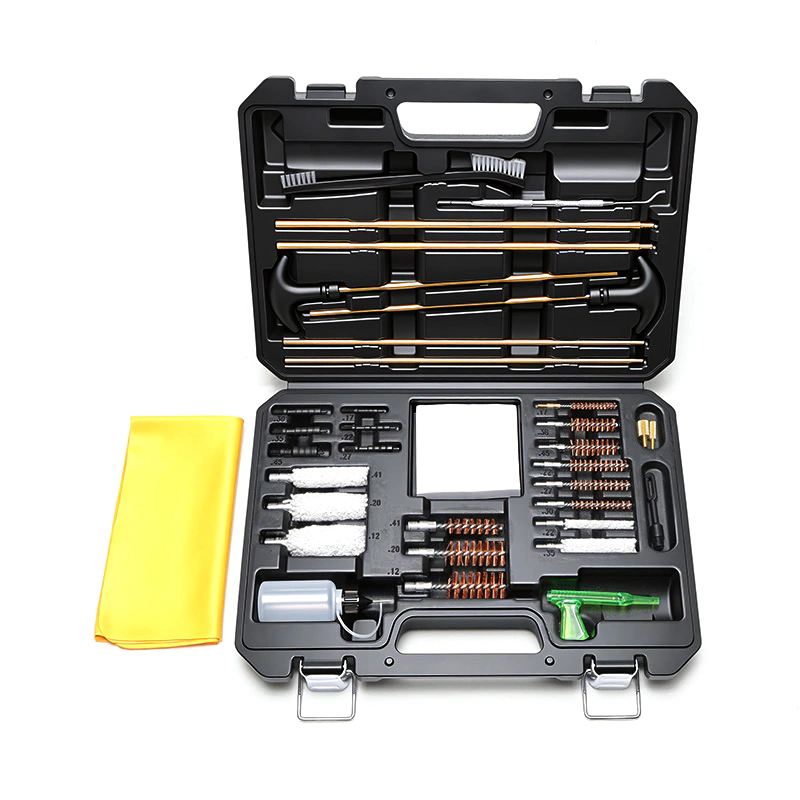
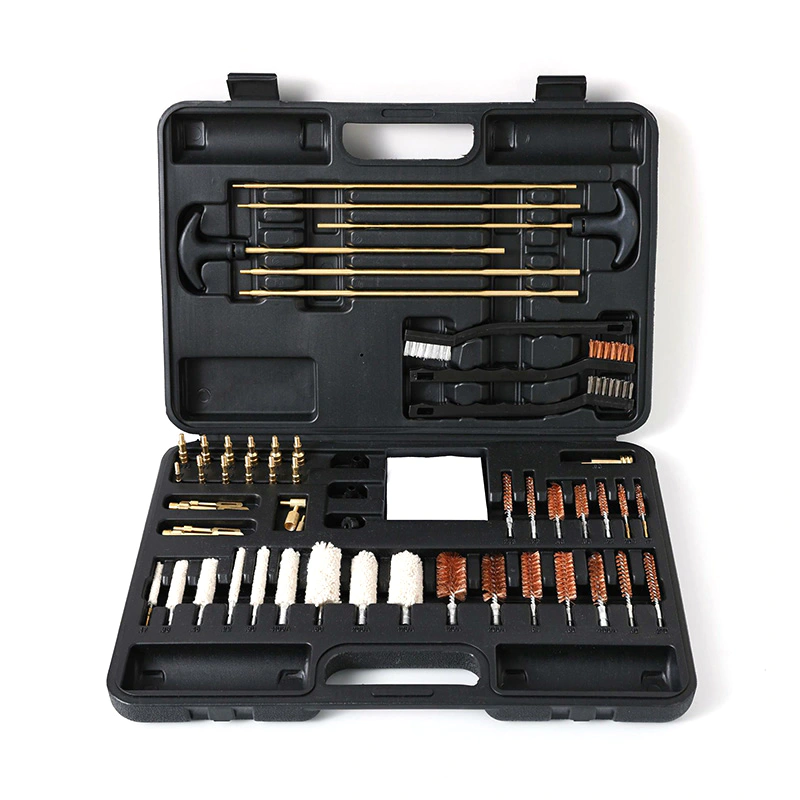
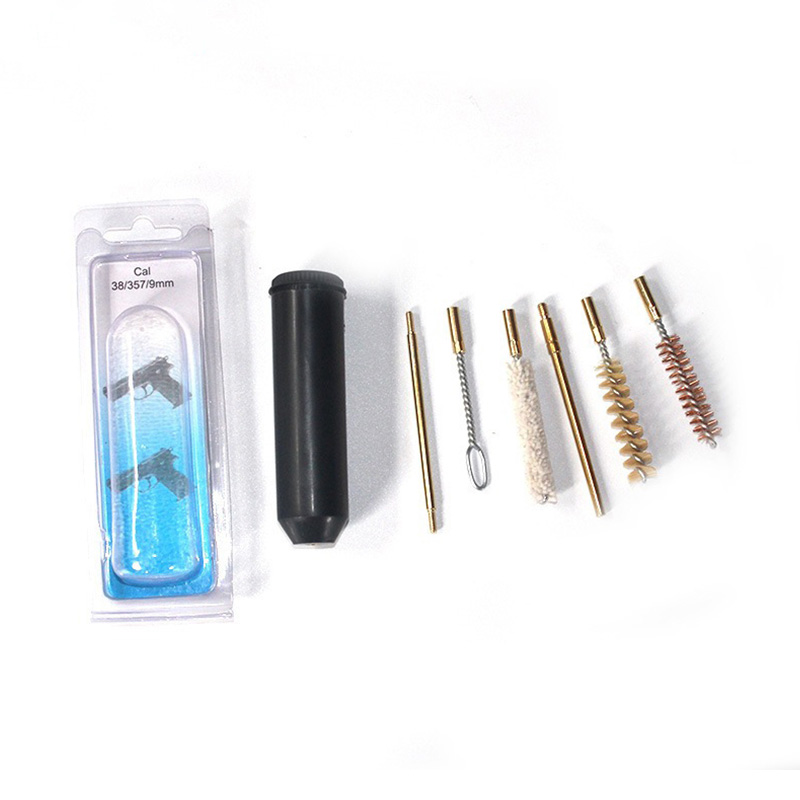
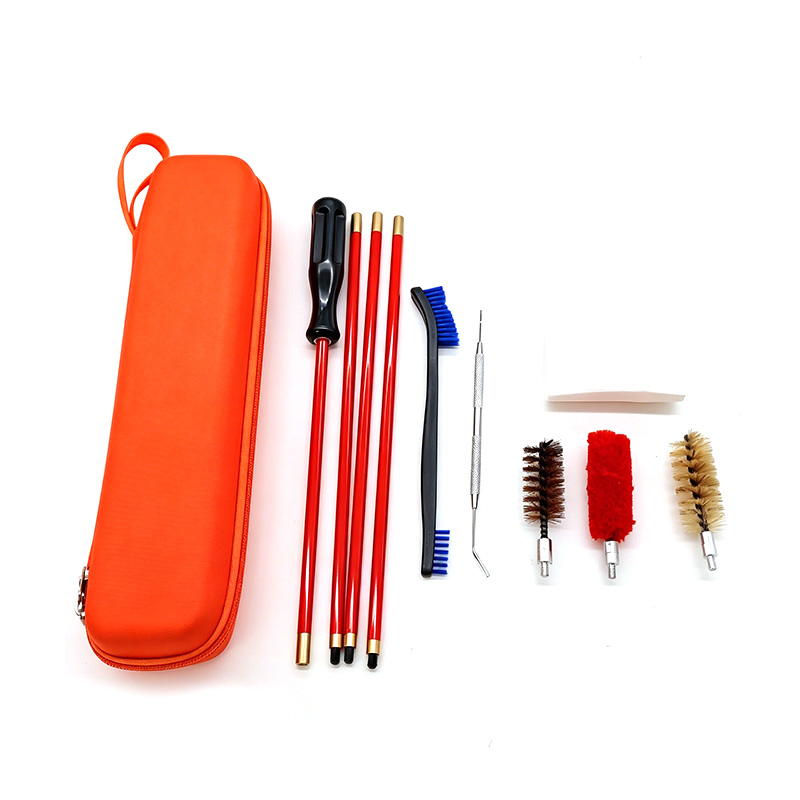
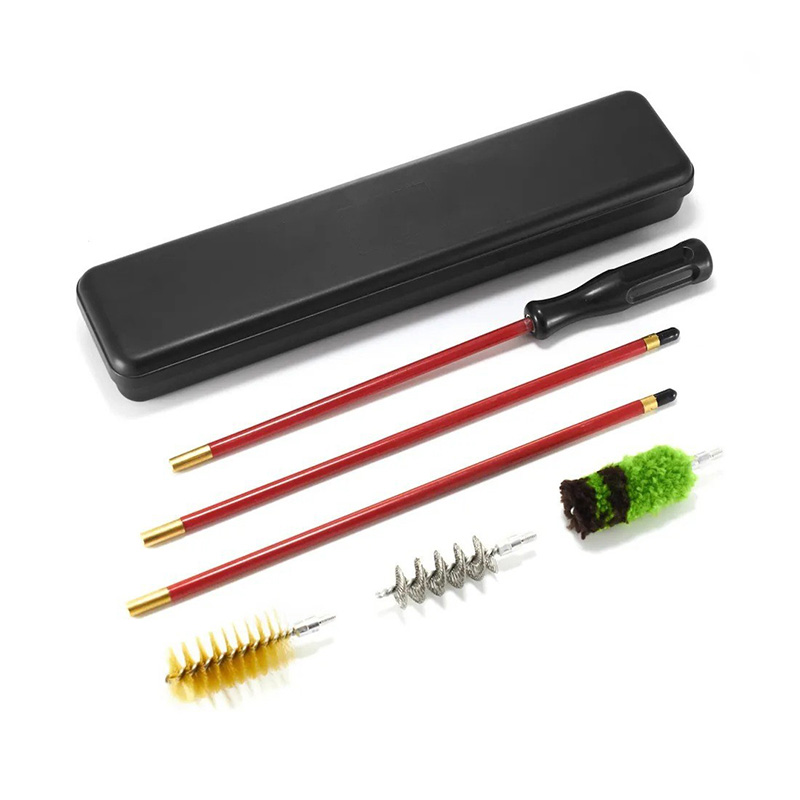
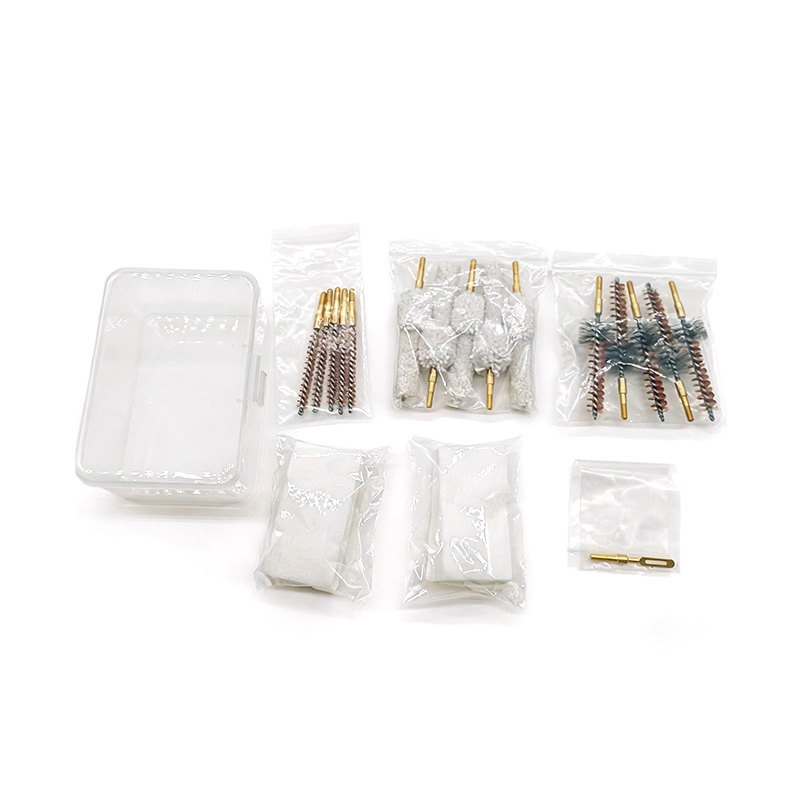
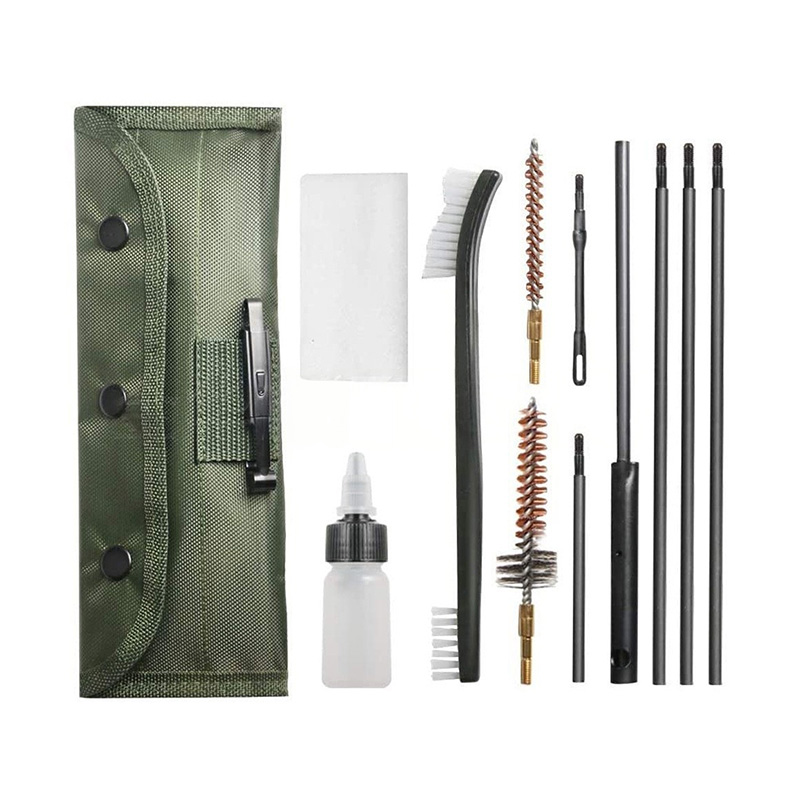
Rifle Cleaning Mops are maintenance accessories designed for use with compatible bore cleaning systems. Their construction generally includes a fiber mop head, a connecting shaft, and an interface that attaches to a suitable cleaning rod or handle. The soft fiber structure allows the mop to contact internal surfaces during routine maintenance without relying on rigid brushing elements.
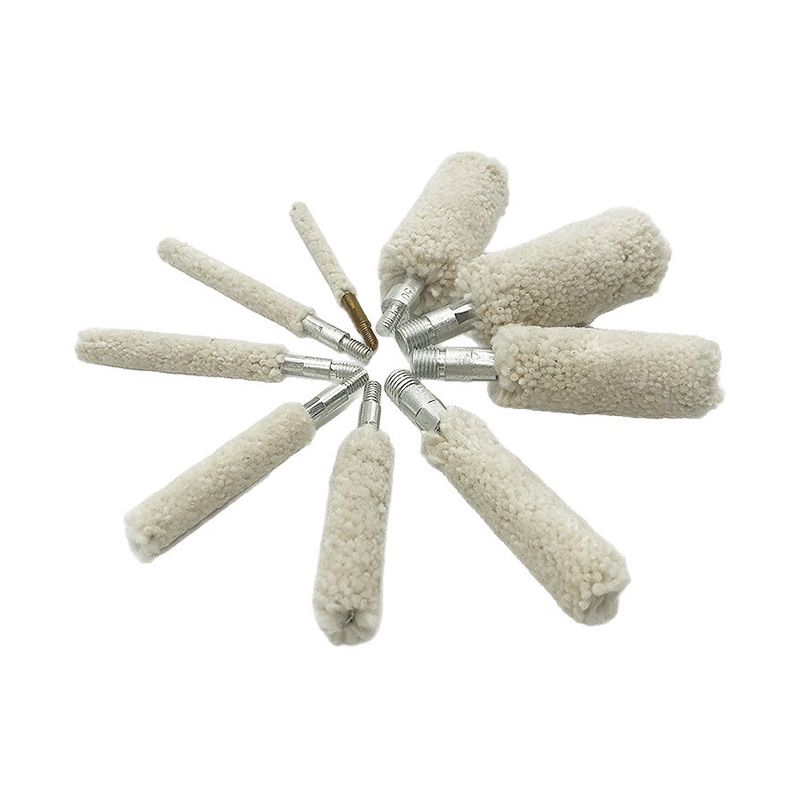
For buyers, understanding the construction of a cleaning mop is useful when comparing different products. Product names can look similar while the actual diameter, fiber material, shaft structure, and connection specification may differ. Checking the complete product description can therefore help identify a suitable accessory for a particular maintenance system.
Regular equipment care involves several types of maintenance accessories. A cleaning mop can be used during wiping and surface care stages where a soft fiber contact surface is appropriate.
The mop can also be designed to carry a suitable cleaning solution across an internal surface. Depending on the product construction, the fiber material may absorb and distribute liquid while the shaft provides access to the intended area.
The role of the mop is therefore different from that of a rigid brush. Buyers who understand this distinction can select accessories according to the maintenance task rather than treating every bore cleaning accessory as interchangeable.
The mop head is the part that makes direct contact with the internal surface. Fiber density, fiber length, and head shape can influence how the accessory behaves during use.
The shaft connects the mop head to the cleaning rod or handle. Shaft materials may vary according to the intended application. Some designs use a rigid shaft, while other products may incorporate a flexible section.
The connecting interface is another important component. Threaded connections can allow the mop to attach to compatible cleaning rods. Since thread specifications vary across product systems, buyers should check compatibility before placing an order.
Rifle Cleaning Mops can serve several maintenance purposes within an appropriate cleaning system.
One common purpose is surface wiping. A fiber mop can collect loose residue and moisture during a wiping stage.
Another application involves carrying an approved cleaning solution. The absorbent fiber can hold liquid and distribute it across the intended internal surface.
A mop can also be used for drying or final wiping when the maintenance process calls for a soft contact material.
Different tasks may require different mop materials. Buyers should therefore consider the intended application before selecting a product.
Product selection should begin with compatibility. The mop diameter needs to correspond with the intended bore specification and cleaning system.
Material is another consideration. Cotton, wool, and synthetic fibers can provide different absorption and handling characteristics.
The shaft length should also correspond with the cleaning equipment and intended access area. A suitable connection specification is equally important because a mop that cannot attach securely to the available rod may not be suitable for the intended system.
Product descriptions should clearly state these specifications so that buyers can compare options with less uncertainty.
Cleaning accessories should be kept clean and dry when not in use. Moisture left in fiber materials can affect storage conditions and may influence the condition of the accessory.
After use, the mop should be handled according to the material instructions. Reusable products may require cleaning before storage, while disposable products can follow the replacement procedure specified for the maintenance system.
Storage should protect the fiber head from dust, moisture, deformation, and contact with unsuitable chemicals.
A suitable Rifle Cleaning Mop should match the cleaning system rather than being selected by product name alone. Diameter, material, shaft construction, connection type, and intended application all contribute to product suitability.
For procurement teams, a clear specification sheet can simplify product comparison. It can also help maintenance personnel receive accessories that correspond with the equipment already in use.