English
 русский
 Español
 عربى

HUNTACE HUNTACE HUNTACE HUNTACE HUNTACE
HUNTACE HUNTACE HUNTACE HUNTACE

Cleaning narrow channels, internal passages, bottle spouts, nozzles, tubes, and fine mechanical openings is often more difficult than cleaning an exposed surface. Conventional cloths may not reach the deepest areas, rigid metal brushes can scratch delicate materials, and oversized tools may become lodged inside a passage. The Pipe Wire Brush Rust Removal Spout Cleaner is designed to solve these problems with a compact, flexible, and durable construction intended for controlled cleaning in restricted spaces.
This industrial-grade brush combines a 1.0 mm 304 stainless steel twisted wire core with 0.3 mm black nylon bristles. The resulting spiral brush structure provides a practical balance between cleaning strength, flexibility, and surface protection. It is suitable for removing limescale, rust deposits, residue, dust, and other buildup from narrow internal channels while reducing the risk of aggressive abrasion.
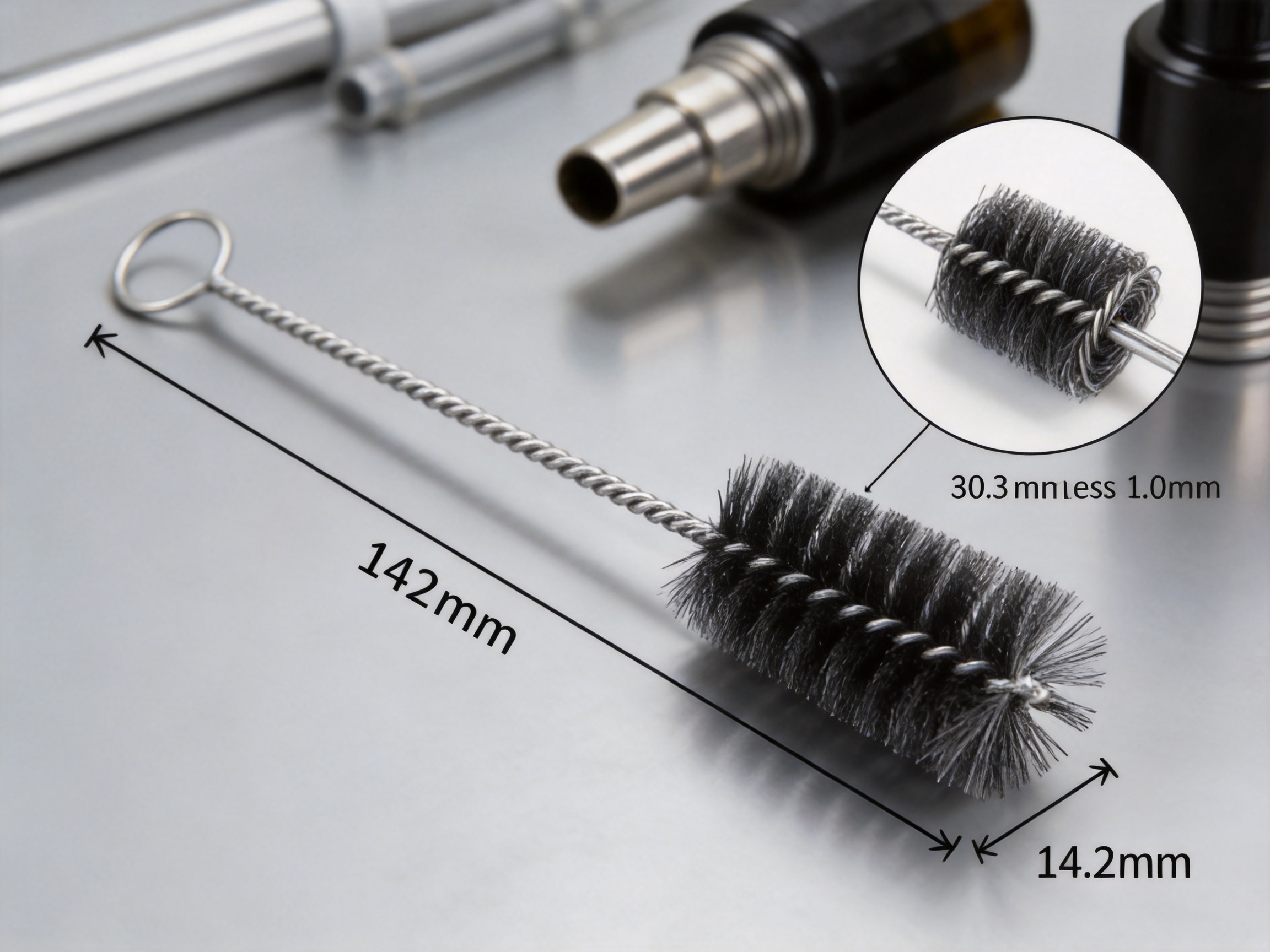
With a brush head diameter of 14.2 mm, a total length of 142 mm, and compatibility with inner channels of approximately 11.7 mm, the product is designed for a broad range of pipe, spout, tube, and nozzle cleaning tasks. Its compact dimensions make it suitable for both industrial and household applications, while its simple structure supports efficient bulk packaging, private labeling, and large-scale distribution.
The product is manufactured by Jinhua Tongshun Tool Factory, a China-based cleaning tool producer established in 1999. The company integrates product development, production, quality control, packaging, and sales support. Its experience in gun cleaning kits, barrel brushes, cleaning rods, patches, mops, and related tools provides a foundation for producing specialized brushes for precision cleaning applications.
This article examines the brush’s construction, performance advantages, manufacturing capabilities, application areas, customization options, packaging support, and purchasing considerations for importers, distributors, industrial suppliers, private-label brands, and online retailers.

Pipe Wire Brush Rust Removal Spout Cleaner
The Pipe Wire Brush Rust Removal Spout Cleaner is a narrow-channel cleaning brush built around a twisted wire core. The core supports the nylon bristles and gives the brush enough structural strength to enter and clean internal passages. The bristles extend outward in a spiral pattern, helping the brush make contact with the inner wall as it is inserted, rotated, or moved back and forth.
The brush is classified within the nylon and other material brush category. Unlike a traditional all-metal pipe brush, it uses nylon as the primary cleaning filament. Nylon is valued for its flexibility, chemical resistance, low moisture absorption, and relatively gentle contact with many surfaces. These properties make it useful when the cleaning target must be maintained without excessive scratching or gouging.
The 304 stainless steel core provides reinforcement and corrosion resistance. A stainless wire core is particularly appropriate for cleaning environments where moisture, descaling solutions, condensation, or repeated washing may be present. The wire is twisted around the bristle material to hold the brush securely and create a consistent spiral cleaning profile.
The main product specifications are summarized below.
| Specification | Details |
|---|---|
| Product type | Pipe and spout cleaning brush |
| Primary category | Nylon and other material brushes |
| Bristle material | Black nylon |
| Bristle diameter | 0.3 mm |
| Core material | 304 stainless steel |
| Core wire diameter | 1.0 mm |
| Brush head diameter | 14.2 mm |
| Total length | 142 mm |
| Recommended inner channel compatibility | Approximately 11.7 mm |
| Product color | Black |
| Unit weight | Approximately 10 g |
| Standard quantity per box | 200 pieces |
| Standard packaging | Bulk packaging |
The compact size allows the brush to be stored, shipped, and displayed efficiently. At approximately 10 grams per unit, it is also suitable for economical international distribution, multi-unit retail packs, industrial consumable programs, and inclusion in larger maintenance kits.
The 1.0 mm 304 stainless steel core is the structural center of the product. Its function is to maintain the brush’s shape, transfer hand force into the cleaning area, and hold the nylon bristles in a stable spiral arrangement. The twisted design helps distribute bristles around the full circumference rather than concentrating them on one side.
304 stainless steel is widely used in tools, hardware, food-related equipment, laboratory accessories, and general industrial applications because it offers a useful combination of strength and corrosion resistance. For a brush used around water, mineral deposits, and cleaning chemicals, this material provides a more reliable foundation than untreated carbon steel.
The stainless core also helps the brush remain functional through repeated insertion and withdrawal. When a tool is used inside a narrow passage, it may encounter changes in direction, rough deposits, or slight resistance. A properly formed stainless wire core can accommodate controlled bending while maintaining enough rigidity to transmit movement into the brush head.
The black nylon bristles are engineered for cleaning effectiveness without the harsh contact associated with many rigid metal brushes. Their 0.3 mm specification gives the filament a balance between flexibility and cleaning contact. The bristles can enter small surface irregularities and loosen residue through repeated movement.
Nylon is especially valuable in applications involving plastic, coated metal, polished components, ceramic surfaces, and other materials that may be marked by harder abrasives. While no cleaning tool is suitable for every surface, a nylon brush is generally a safer starting point when the user needs to remove buildup but wants to reduce the possibility of visible scratching.
The bristle material can also be adapted for different cleaning requirements. Depending on the customer’s application, a manufacturer may adjust filament stiffness, diameter, density, length, or color. Softer bristles may be selected for delicate surfaces, while firmer nylon can be used where heavier deposits require more mechanical action.
The spiral structure provides continuous bristle coverage around the core. This configuration helps the brush contact the internal wall of a tube or spout while the tool is pushed, pulled, or rotated. It also allows the brush to collect and dislodge deposits from multiple directions.
Compared with a simple straight filament arrangement, a twisted spiral design can provide more consistent contact along the length of the cleaning area. It supports a compact form factor while preserving a useful number of bristles around the core. The structure is also compatible with automated or semi-automated assembly processes commonly used for wire brush production.
Effective narrow-channel cleaning depends on more than the presence of bristles. The brush must fit the passage correctly, maintain contact with the inner wall, withstand movement, and remain easy to remove. The Pipe Wire Brush Rust Removal Spout Cleaner addresses these requirements through its relationship between core diameter, bristle diameter, head length, and overall tool length.
The approximately 11.7 mm inner-channel compatibility provides a practical guide for selecting suitable applications. A brush should not be forced into a channel that is too small, because excessive pressure may bend the core, compress the bristles, or damage the target component. Conversely, a passage that is significantly larger than the brush may not provide sufficient bristle contact for efficient cleaning.
When the tool is inserted into a tube or spout, the nylon bristles flex against the inner wall. Moving the brush back and forth can loosen residue, while gentle rotation can increase contact around the circumference. For mineral deposits or rust residue, several controlled passes are generally more effective than applying excessive force during a single pass.
The brush can be used dry for dust and loose debris or with an appropriate cleaning solution for limescale and hardened residue. The selected chemical should always be compatible with the material being cleaned, the nylon bristles, and the stainless steel core. After chemical use, rinsing and drying the brush can help extend its service life.
Rigid metal brushes are effective for aggressive removal of heavy corrosion and hard deposits, but they may be unsuitable for delicate internal surfaces. Their harder filaments can leave scratches, remove coatings, or create marks on softer materials. The nylon bristles in this product offer a less aggressive alternative for tasks requiring controlled cleaning.
The stainless steel core still provides structural support, but the working filaments are made from nylon. This division of functions allows the brush to remain firm enough for insertion while keeping the contact surface more compliant. For many spouts, plastic tubes, coated components, and polished channels, this can be a significant practical advantage.
Cloths and wipes are useful for exposed surfaces but often fail inside narrow passages. They can bunch up, tear, or become difficult to retrieve when pushed into a small opening. A twisted wire brush has a defined profile and can be guided directly through the channel.
The spiral bristle structure can reach areas that a flat cloth cannot contact. It is also less likely to leave a large piece of material behind inside the passage. This makes the product more appropriate for tubular interiors, small nozzles, bottle spouts, fittings, and channels where visual inspection or direct wiping is difficult.
An oversized brush may appear to offer stronger cleaning because it has more bristles, but an incorrect diameter can make the tool difficult to insert and remove. It may also place excessive stress on the component. The 14.2 mm brush head and approximately 11.7 mm channel compatibility are designed as a matched configuration for controlled use.
Correct sizing improves user confidence and reduces wasted time. Distributors can also present the product with clear application information, helping buyers select it for suitable spouts, tubes, and passages rather than treating it as a general-purpose brush with no dimensional guidance.
Some low-cost cleaning brushes use weak wire, inconsistent bristle attachment, or poorly controlled dimensions. These problems can lead to early deformation, loose filaments, or uneven cleaning performance. The use of a 304 stainless steel core and a defined bristle specification gives this product a more reliable basis for repeatable production.
For B2B customers, consistency is as important as the initial unit price. A distributor needs products that can be reordered with similar dimensions and performance. A private-label brand needs stable appearance, packaging, and quality across production batches. A structured manufacturing process helps support those requirements.
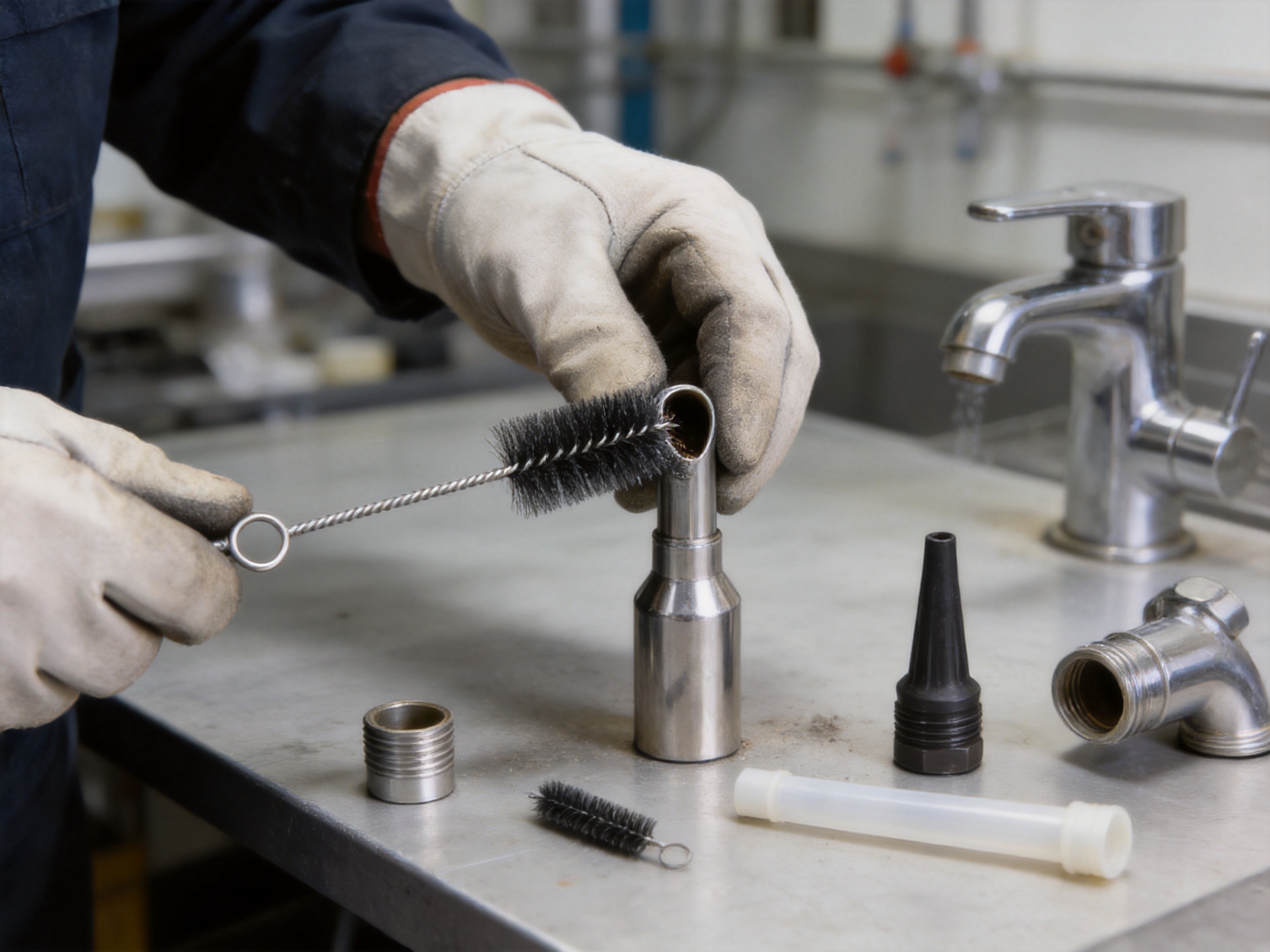
The brush is suitable for cleaning the internal surfaces of small pipes, tubes, connectors, and channels. It can remove dust, loose particles, mineral buildup, and residue that accumulates during storage or operation. Its length gives users enough reach for many compact components while remaining easy to control by hand.
For industrial maintenance, the brush may be included in a maintenance station or tool kit for routine inspection and cleaning. It can support preventive maintenance programs in which small passages are cleaned before deposits become difficult to remove.
Bottle spouts, dispensing nozzles, spray fittings, and small outlets can accumulate limescale and residue. Such buildup may restrict flow, affect dispensing accuracy, or create an undesirable appearance. The brush head can be inserted into the opening to loosen deposits from the inner wall.
The product is particularly suitable for applications where a cloth cannot reach the interior and a metal brush may be too aggressive. Users should select a suitable cleaning method according to the spout material and the type of residue present.
Industrial equipment often includes narrow channels, joints, fittings, grooves, and internal openings that are not accessible with ordinary brushes. The product can be used as a detail-cleaning accessory for machinery, small components, fixtures, and maintenance tools.
Because the brush is lightweight and compact, technicians can keep multiple pieces near a workbench, tool cabinet, production line, or inspection area. Its low unit weight also makes it suitable for disposable or semi-disposable maintenance programs where cleaning efficiency is more important than long-term reuse.
In household environments, narrow outlets and spouts may collect limescale, soap residue, food particles, or dirt. The brush can assist with cleaning around water outlets, small tubes, dispensing openings, and similar areas. Nylon bristles offer a practical option where users want cleaning action without immediately turning to a hard metal tool.
Users should rinse the brush after household use and allow it to dry. The brush should not be shared between incompatible cleaning environments without proper washing and sanitation.
The product can be included in broader maintenance kits containing cleaning rods, patches, cloths, adapters, or other brush types. Although this brush is designed for pipe and spout applications, its narrow-channel format may complement larger cleaning tools used for equipment maintenance.
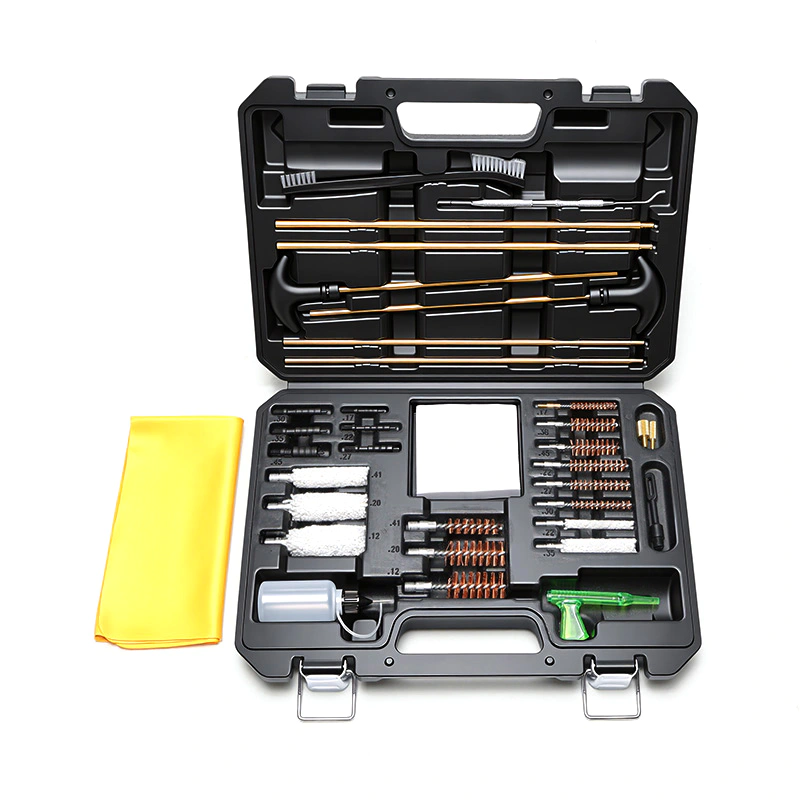
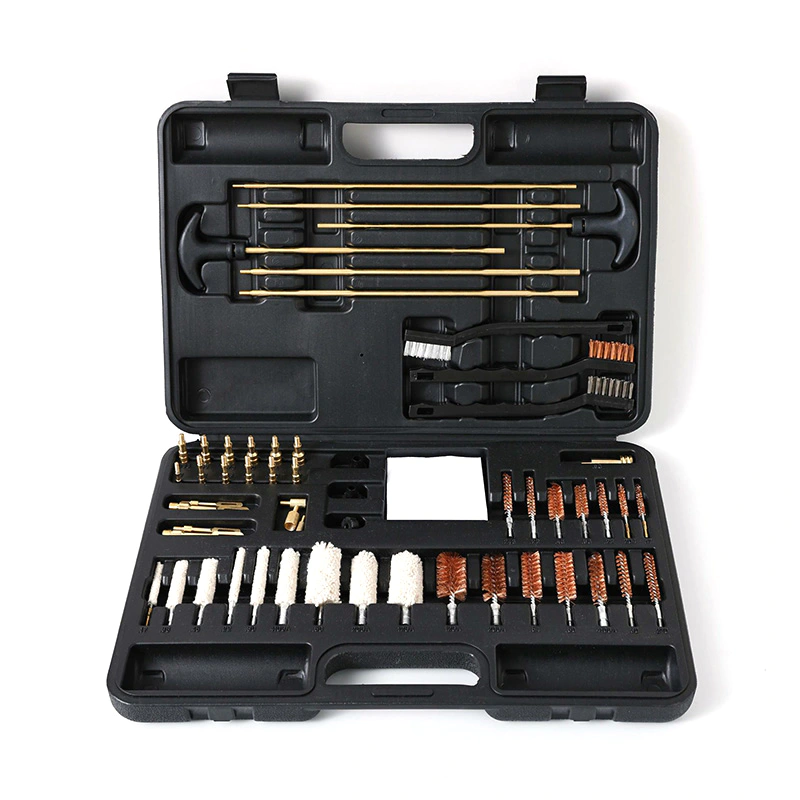
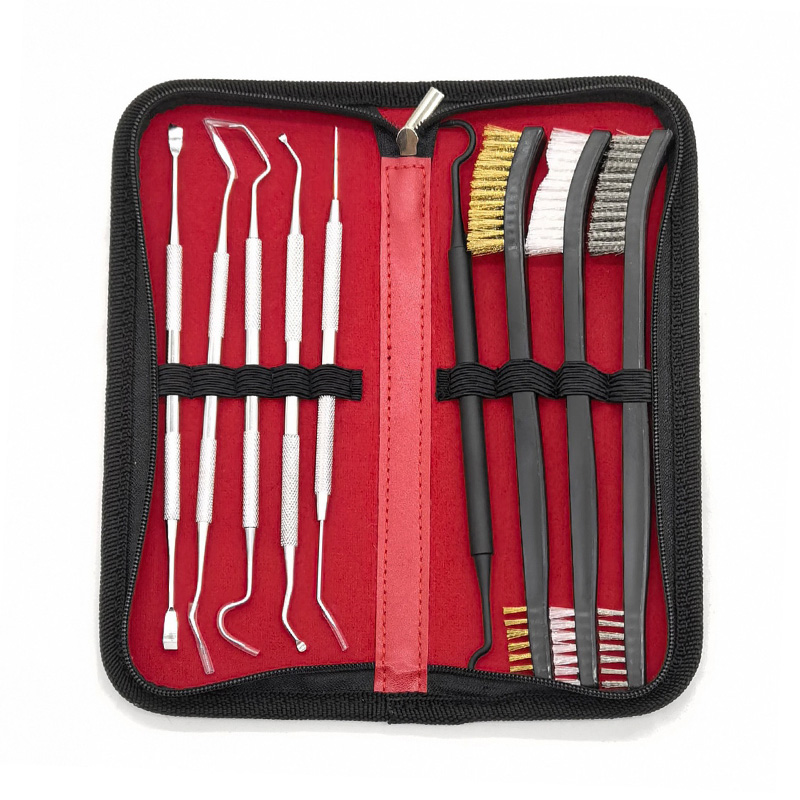
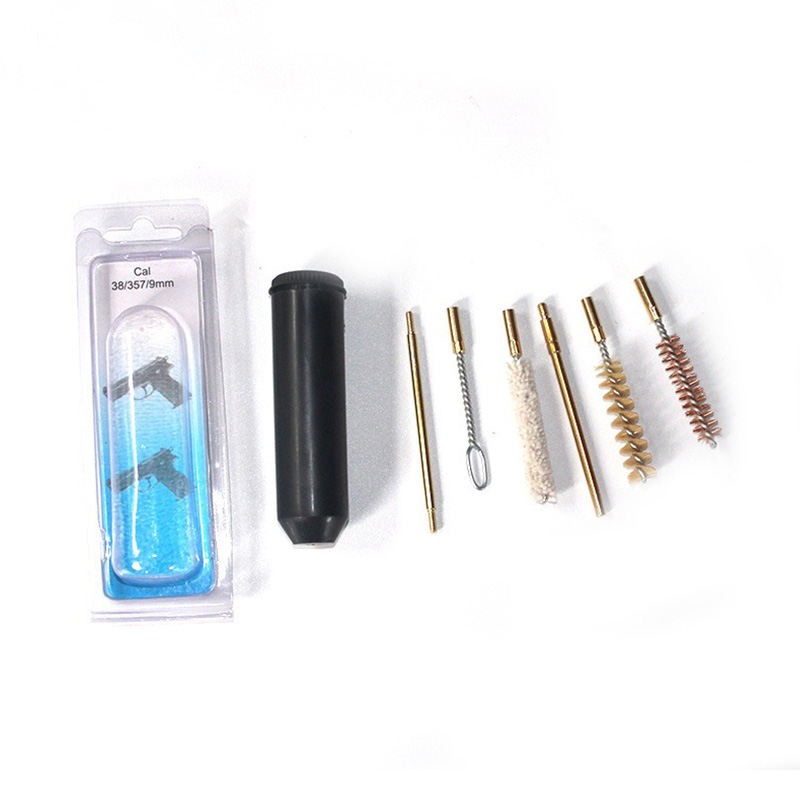
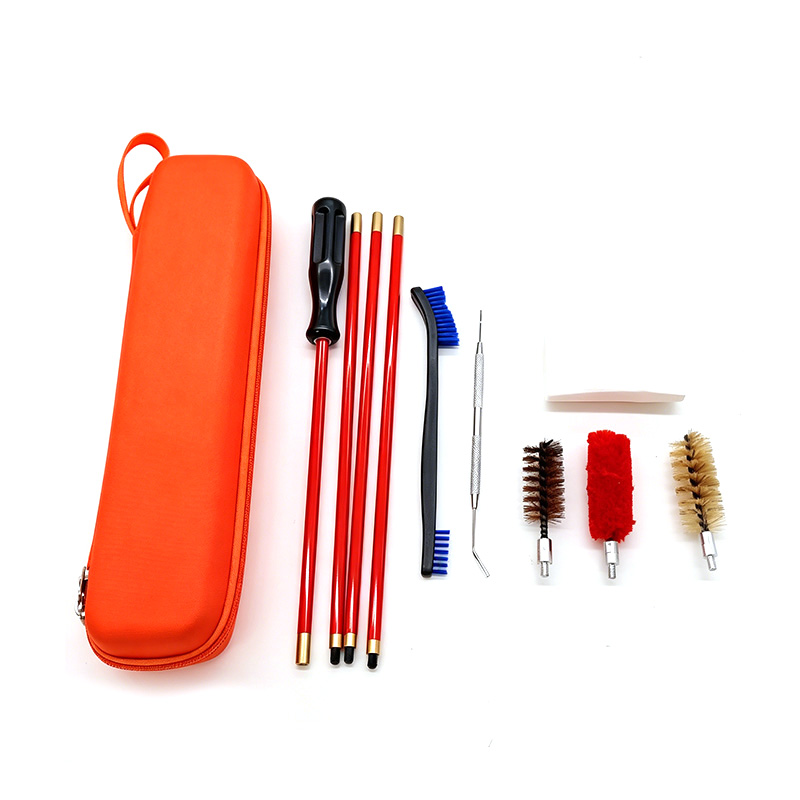
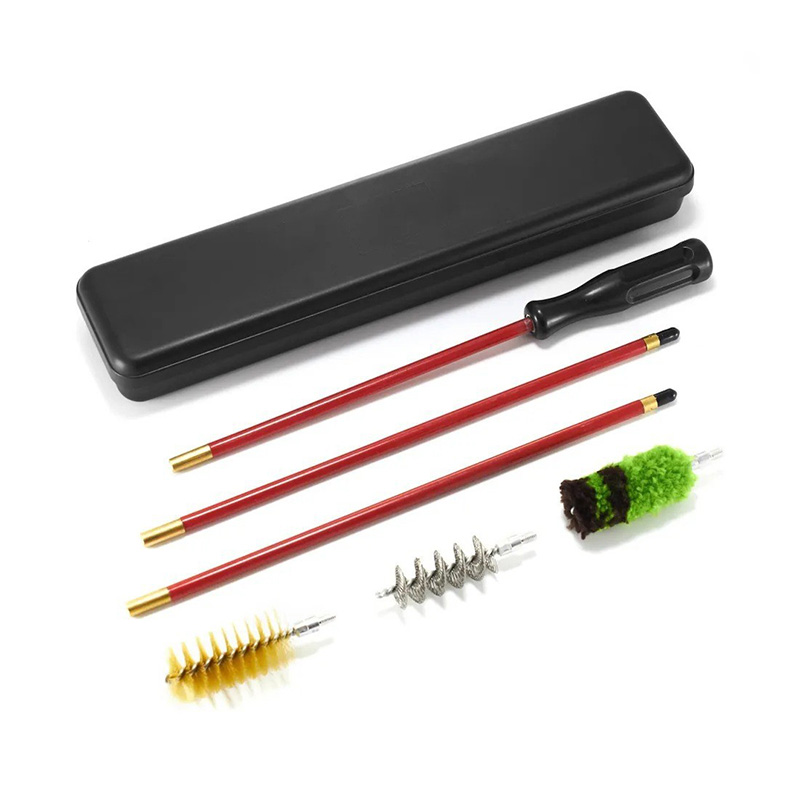
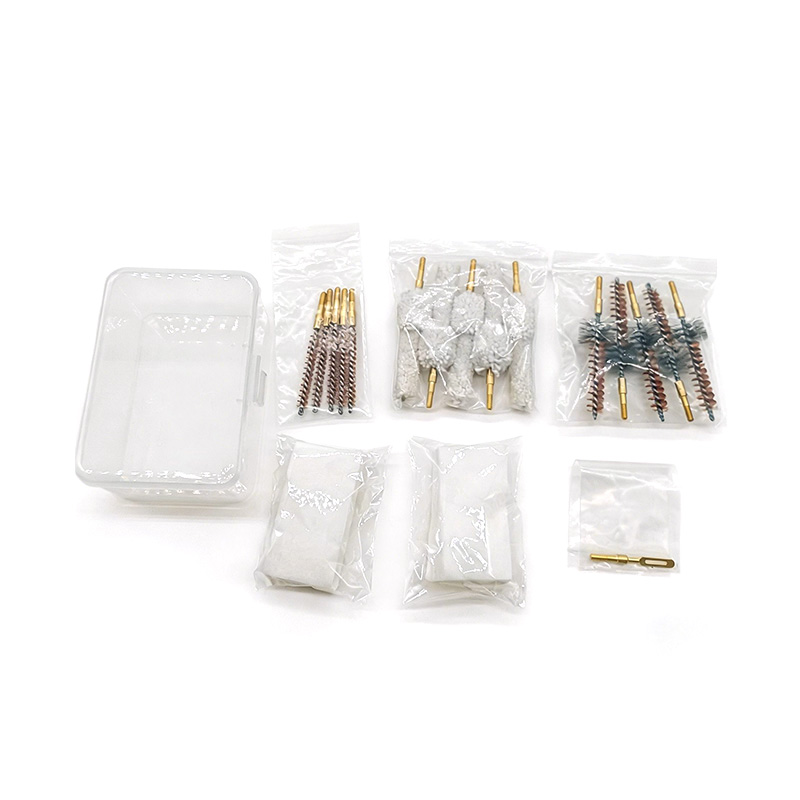
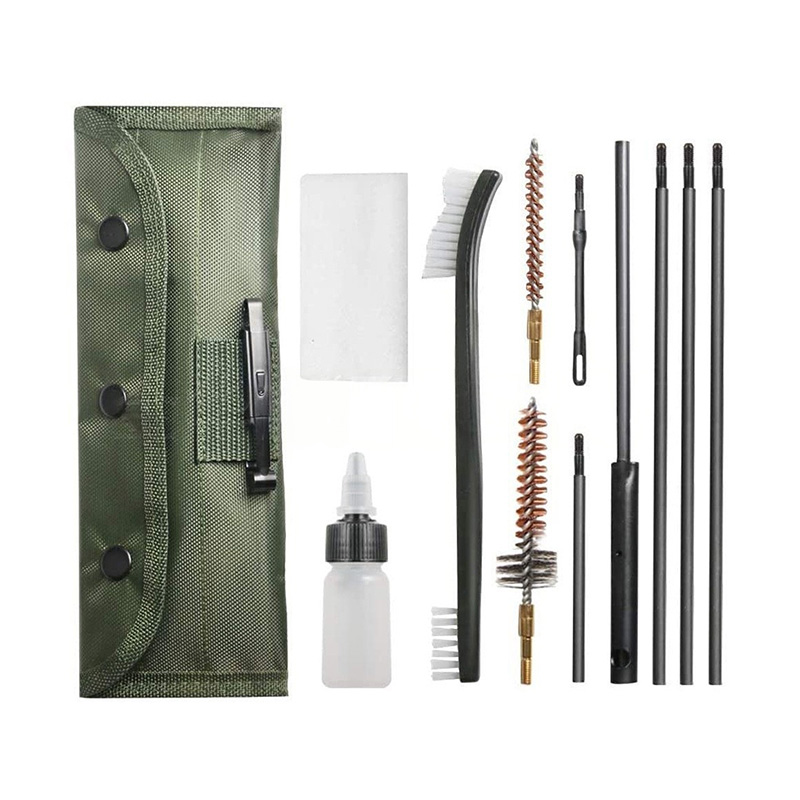
For suppliers of firearm maintenance products, the company’s broader product range includes gun cleaning kits, bore mops, bronze and brass brushes, nylon brushes, cleaning rods, adapters, patches, cloths, and cleaning ropes. The pipe brush can therefore be considered as a related accessory for specialized maintenance assortments, provided that the end use and material compatibility are clearly stated.
Jinhua Tongshun Tool Factory was established in 1999 and has more than 26 years of manufacturing experience. The company integrates research and development, production, and sales. This integrated structure allows product specifications, manufacturing processes, packaging requirements, and export needs to be coordinated within one supply system.
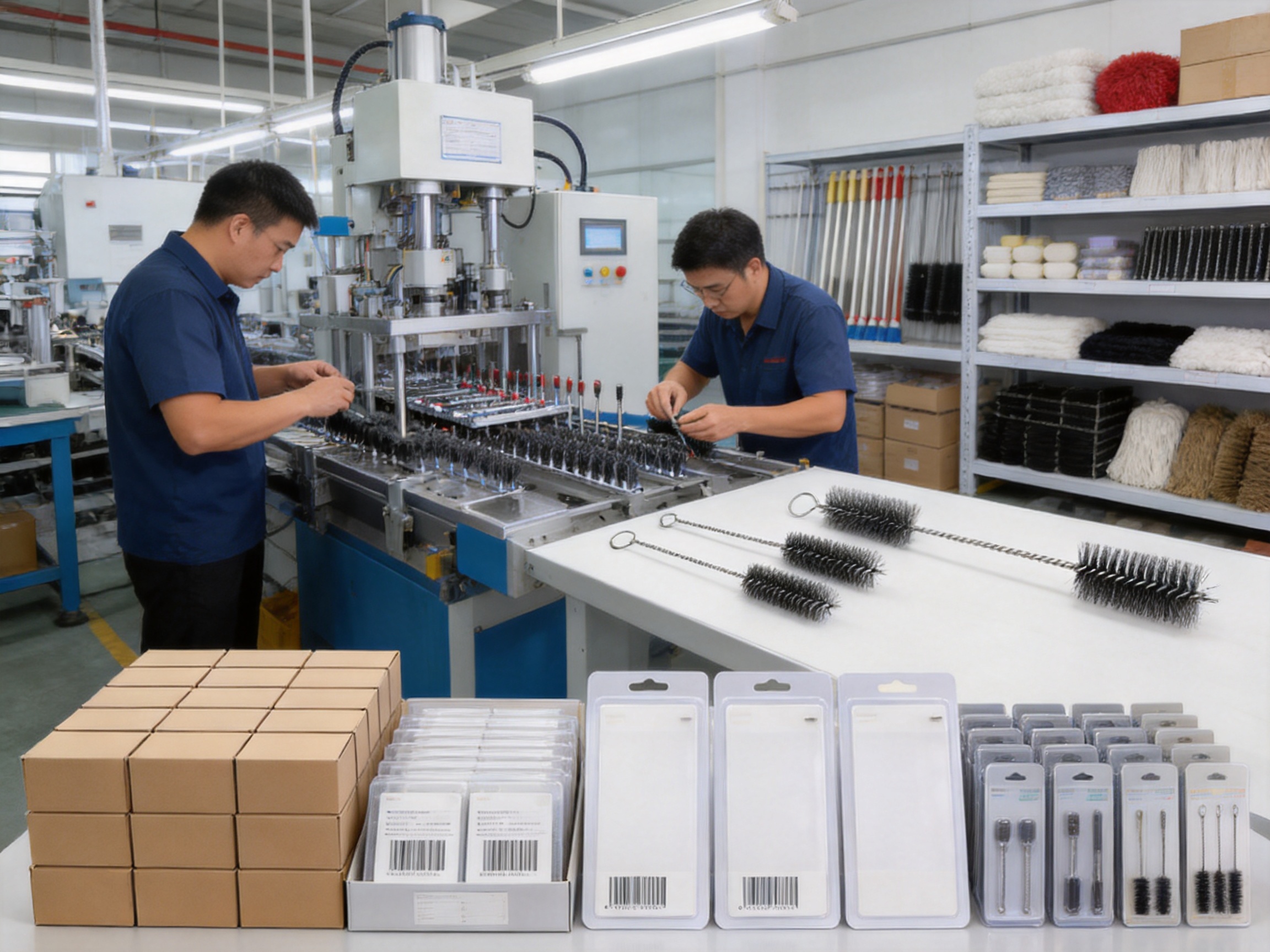
The factory operates semi-automatic and fully automated production systems. Automation is important for brush products because repeatability depends on controlling wire forming, filament placement, twisting, trimming, dimensional accuracy, and final inspection. Manual processes may still be useful for special orders or packaging, but automated equipment can improve output consistency for larger production programs.
A modern production system also supports more predictable lead-time planning. For B2B buyers, production capacity is not limited to the ability to manufacture one sample. The supplier must be able to repeat the same product across multiple orders, maintain sufficient raw material supply, and prepare goods for different packaging and labeling requirements.
The company’s experience with cleaning accessories gives it an established understanding of brush geometry, bristle selection, wire materials, handle structures, and practical end-use requirements. This knowledge can shorten the development process for customers requesting a modified brush or a private-label variation.
Quality control may be applied across several stages of production. Incoming materials can be checked for wire diameter, nylon filament specifications, color, and general condition. During assembly, the twisted core and bristle structure can be evaluated for alignment and stability. Finished units can be inspected for dimensions, visible defects, loose bristles, packaging accuracy, and order quantity.
For a narrow-channel brush, dimensional control is especially important. Small changes in brush head diameter may affect whether the tool fits the intended opening. Variation in bristle density can influence cleaning performance, while inconsistent wire twisting may affect flexibility and durability. A controlled production process helps reduce these variations.
The standard product is available as a black nylon brush with a 304 stainless steel core, but the supplier also provides OEM and ODM manufacturing services for global B2B customers. This is useful for importers and brand owners who need a product adapted to a particular market, application, or retail program.
Brush diameter is one of the most important customization options. Different pipe, spout, and nozzle sizes require different cleaning head dimensions. The manufacturer can discuss customized diameters according to the buyer’s target channel, required bristle compression, and expected cleaning conditions.
Customers should provide accurate measurements, technical drawings, sample components, or application details whenever possible. The correct design depends not only on the opening diameter but also on the shape, depth, internal profile, and type of deposit to be removed.
In addition to stainless steel, the company can discuss galvanized steel or brass wire core options. Stainless steel is suitable for corrosion-resistant applications, galvanized steel may support cost-sensitive product programs, and brass can be considered where a softer metallic core or specific appearance is preferred.
Material selection should be based on the operating environment, contact surfaces, chemical exposure, required flexibility, and target price. The core material can influence durability, corrosion resistance, weight, and overall product positioning.
Bristle stiffness can be modified to suit different cleaning requirements. A soft nylon configuration may be appropriate for delicate or coated surfaces, while a firmer specification may be useful for hardened residue and industrial maintenance. Filament diameter and density can also affect the balance between flexibility and cleaning action.
Color customization may help a brand create a visual product family or use color coding for different applications. For example, separate colors can indicate different sizes, cleaning zones, or levels of bristle stiffness.
The standard brush is a compact wire-handled design, but customers may request additional handle structures depending on their end users. A molded handle, loop handle, extended grip, hanging eye, or multi-piece kit arrangement may improve ease of use for a specific market.
Handle changes should be evaluated together with the brush length and intended insertion depth. A longer handle may improve reach, while a shorter design may provide better control in small household applications. The correct structure depends on whether the product is intended for professional technicians, consumers, cleaning staff, or inclusion in a larger tool kit.
The supplier supports private-label branding, laser logo marking, custom packaging, barcode labeling, and FBA-ready packaging solutions. These services allow buyers to develop a market-ready product without establishing their own manufacturing line.
Packaging can be supplied in bulk cartons, retail blister packs, or industrial kits. Bulk packaging is appropriate for distributors and professional users who purchase larger quantities. Blister packs can support retail presentation and product protection. Industrial kits can combine several sizes or brush types for maintenance departments and technical users.
Barcode labels, carton markings, instruction inserts, and packaging artwork can be coordinated according to the buyer’s requirements. For export orders, packaging should be designed to protect the bristle structure during transportation and storage while using space efficiently.
When evaluating a brush supplier, buyers should consider more than the listed material and unit price. The ability to maintain dimensions, bristle attachment, wire quality, packaging accuracy, and delivery consistency is essential for long-term commercial success.
The first consideration is raw material control. The supplier should be able to identify the wire type, wire diameter, nylon specification, and color requirements used in production. Material consistency supports consistent brush performance and makes it easier to approve samples before mass production.
The second consideration is assembly control. The stainless steel wire must be twisted in a manner that holds the bristles securely. The finished brush should have a stable spiral structure, without obvious gaps, sharp unfinished ends, or loose filaments that could interfere with use.
The third consideration is dimensional inspection. Key measurements include total length, brush head diameter, wire diameter, bristle diameter, and any customized handle dimensions. Buyers may specify acceptable tolerances based on the intended application.
The fourth consideration is packaging inspection. A correctly manufactured brush can still create commercial problems if the wrong quantity is packed, barcodes are missing, labels are misapplied, or retail packaging is damaged. Packaging verification should therefore be part of the order process.
The fifth consideration is sample approval. Before mass production, buyers should review a physical or clearly documented sample. The sample can be tested in the actual pipe, spout, or channel for fit, flexibility, bristle contact, cleaning action, and retrieval. This is especially important when requesting an OEM diameter or a modified core material.
Before use, the operator should confirm that the brush diameter is suitable for the channel. The brush should enter with controlled pressure and should not be forced into an opening that is too small. If resistance increases sharply, the operator should withdraw the brush and check for obstruction, incorrect sizing, or damage.
For loose dust and light residue, the brush may be used dry. For limescale, rust residue, or hardened deposits, a compatible cleaning solution may improve results. The operator should follow the cleaning chemical manufacturer’s instructions and confirm that the solution will not damage the target component.
The brush can be moved back and forth with short, controlled strokes. Gentle rotation can help the bristles contact the full internal circumference. Excessive bending or twisting should be avoided because it can deform the core or reduce the stability of the bristle structure.
After use, the brush should be rinsed when appropriate, especially if it has been exposed to chemicals or corrosive residue. It should then be dried before storage. Keeping the tool dry can help preserve the stainless steel core and reduce odor or contamination on the nylon bristles.
The brush should be inspected periodically for bent wire, missing bristles, excessive wear, or contamination. A damaged brush should be replaced rather than forced into a precision channel. In applications involving hygiene, food-contact equipment, or sensitive components, users should establish their own cleaning, sanitation, and replacement procedures.
The product’s compact design supports several business models. Distributors can purchase bulk cartons and supply maintenance companies, hardware stores, cleaning product retailers, or industrial customers. Online sellers can create multi-piece packs, size assortments, or specialized cleaning bundles. Brand owners can use private labeling to position the brush as a dedicated spout, nozzle, or tube maintenance product.
The product’s low weight can help control shipping costs, especially when orders contain hundreds or thousands of units. A standard quantity of 200 pieces per box also provides a practical basis for warehouse planning and wholesale quotation. Buyers can request alternative pack quantities when a market requires smaller retail units or larger industrial cases.
The brush is suitable for international sales because its application is easy to understand and does not depend on a single regional use case. European, Southeast Asian, and Middle Eastern markets may have demand for pipe cleaning tools, household descaling accessories, industrial detail brushes, and maintenance kit components.
The supplier also identifies eBay, Amazon, and AliExpress as important downstream platforms. FBA-ready packaging, barcode labeling, private-label support, and product photography coordination can help online sellers prepare the item for marketplace distribution.
For buyers seeking a broader product portfolio, the manufacturer can supply related gun cleaning products, including cleaning kits, nylon brushes, brass brushes, bronze brushes, bore mops, cleaning rods, adapters, patches, cloths, and cleaning ropes. This enables customers to consolidate multiple product categories with one factory instead of coordinating several separate suppliers.
The brush can be positioned between delicate manual cleaning accessories and aggressive industrial wire brushes. Its main competitive distinction is the use of nylon bristles supported by a stainless steel twisted core. This combination addresses the need for cleaning contact while reducing the harshness associated with all-metal filaments.
Another advantage is specification clarity. The product includes defined measurements for bristle diameter, wire diameter, head diameter, total length, and compatible inner-channel size. Clear specifications help buyers create accurate product listings, technical sheets, packaging claims, and purchasing standards.
The product also benefits from manufacturing flexibility. Competing suppliers may offer only a fixed design, while this manufacturer can discuss variations in brush diameter, wire material, bristle stiffness, handle structure, branding, and packaging. For brands serving different markets, this flexibility can be more valuable than a small difference in the initial unit price.
Finally, the company’s established experience in cleaning tool production provides a broader technical base. Its factory infrastructure, automated and semi-automated systems, export experience, and OEM/ODM services can support both standard replenishment orders and customized product development.
Buyers considering this brush should first define the target application. The required channel diameter, depth, material, type of residue, cleaning frequency, and expected service life will influence the most suitable configuration.
Second, buyers should decide whether a standard product or customized version is required. The standard design may be appropriate for common pipe and spout sizes. A customized version may be better when the end user needs a special diameter, longer reach, softer bristle, alternative core, or dedicated handle.
Third, buyers should determine the packaging format. Bulk packaging is efficient for industrial customers and distributors. Retail blister packaging may be more suitable for hardware stores and online consumer sales. Multi-piece kits can provide greater value when customers need several sizes or cleaning functions.
Fourth, buyers should confirm branding requirements. Private-label orders may require a logo, color scheme, barcode, instruction card, carton design, or marketplace-specific label. These requirements should be discussed before production begins.
Fifth, buyers should request a quotation that separates product cost, customization cost, packaging cost, tooling cost when applicable, and shipping terms. This makes it easier to compare suppliers and calculate the final landed cost.
Finally, buyers should establish an inspection standard. The standard may include acceptable dimensions, bristle density, core condition, color consistency, packaging quantity, label accuracy, and carton condition. A clear standard helps reduce misunderstandings during repeat orders.
The brush is designed to clean narrow and hard-to-reach areas, including bottle spouts, tube interiors, pipe channels, nozzles, and fine mechanical passages. It is suitable for loosening limescale, rust residue, dust, and stubborn deposits.
The bristles are made from black nylon with a stated diameter of 0.3 mm. Nylon provides flexible cleaning contact and is generally less abrasive than rigid metal filaments.
The standard core uses 304 stainless steel wire with a stated diameter of 1.0 mm. Alternative core materials, including galvanized steel or brass, may be discussed for customized orders.
The product has a 14.2 mm brush head diameter and is described as compatible with inner channels of approximately 11.7 mm. Buyers should confirm the actual dimensions and shape of their application before ordering.
The brush can help loosen rust residue and deposits from suitable internal surfaces. It is intended for controlled cleaning rather than heavy structural corrosion removal. For severe corrosion, the user should choose a method compatible with the material and required finish.
It may be used with a compatible cleaning solution, but the chemical must be suitable for the target surface, nylon bristles, and stainless steel core. Users should follow the chemical supplier’s instructions and rinse the brush when appropriate.
The nylon bristles are less aggressive than many metal brush filaments, making them a practical option for some delicate or coated surfaces. However, users should test the brush on an inconspicuous area first and avoid excessive pressure.
Yes. Available customization options may include brush diameter, core material, bristle stiffness, bristle color, handle structure, logo marking, packaging, barcode labels, and industrial kit configuration.
Bulk cartons, retail blister packs, and industrial kits are available for discussion. The supplier can also support private-label packaging and FBA-ready packaging solutions.
The listed standard quantity is 200 pieces per box. Buyers can discuss alternative quantities according to retail, wholesale, or industrial requirements.
The product is manufactured in Jinhua, Zhejiang Province, China, by Jinhua Tongshun Tool Factory, a producer of gun cleaning kits, brushes, cleaning rods, mops, patches, cloths, and related maintenance accessories.
Yes. Its compact format makes it suitable for inclusion in pipe maintenance kits, industrial detailing sets, household descaling kits, and broader cleaning accessory assortments.
The brush should be rinsed when necessary, dried thoroughly, and stored in a clean, dry location. It should be replaced if the wire becomes severely bent or the bristles become damaged or contaminated.
The Pipe Wire Brush Rust Removal Spout Cleaner is a practical solution for cleaning narrow internal channels where ordinary cloths are ineffective and rigid metal brushes may be unnecessarily aggressive. Its 1.0 mm 304 stainless steel twisted core provides structural support, while the 0.3 mm nylon bristles provide flexible and controlled cleaning contact.
The 14.2 mm brush head, 142 mm overall length, and approximately 11.7 mm channel compatibility make the brush suitable for spouts, tubes, pipes, nozzles, industrial components, and household descaling applications. Its compact and lightweight structure also supports economical storage, shipment, bulk distribution, and multi-piece packaging.
For B2B customers, the most important advantage is the combination of product functionality and manufacturing flexibility. Jinhua Tongshun Tool Factory offers OEM and ODM development, alternative materials, customized dimensions, bristle stiffness options, private labeling, laser marking, barcode labeling, and multiple packaging formats. Its experience since 1999, integrated production structure, automated and semi-automated equipment, and export capabilities provide a foundation for stable supply.
As a standard item, the brush can serve distributors and online sellers looking for a clearly specified narrow-channel cleaning tool. As a customized item, it can become part of a private-label maintenance line or a specialized industrial cleaning program. Its balanced material design and adaptable production options make it a competitive choice for buyers seeking dependable, scalable, and market-ready cleaning accessories.
1. Product specification sheet for the Pipe Wire Brush Rust Removal Spout Cleaner, including dimensions, materials, packaging, and application information.
2. Manufacturer information for Jinhua Tongshun Tool Factory, including company history, production capabilities, OEM/ODM services, and export experience.
3. General engineering reference information on 304 stainless steel characteristics, corrosion resistance, and industrial wire applications.
4. General technical reference information on nylon filament behavior, flexibility, wear resistance, and non-abrasive cleaning applications.
5. General maintenance guidance for pipe, nozzle, spout, tube, and narrow-channel cleaning tools.
6. General packaging and private-label purchasing considerations for industrial cleaning accessories and marketplace distribution.