English
 русский
 Español
 عربى

HUNTACE HUNTACE HUNTACE HUNTACE HUNTACE
HUNTACE HUNTACE HUNTACE HUNTACE

Maintaining a firearm properly requires more than a cleaning rod and a bottle of solvent. Every maintenance system depends on consumables that can remove fouling, distribute lubricant, wipe away dust, and protect metal surfaces without introducing additional fibers or contaminants. The Lint-Free Nonwoven Gun Cleaning Cloth Anti-Static Factory Supply is designed for precisely these tasks. It is a professional-grade cleaning cloth and patch solution intended for pistols, rifles, shotguns, firearm receivers, exterior surfaces, and other precision hardware.
Made from high-density hydroentangled nonwoven fabric, the cloth combines softness, durability, absorbency, and low-lint performance. Its compact fiber structure helps reduce shedding during use, which is especially important when cleaning a firearm bore or wiping finely machined metal components. Instead of leaving loose cotton fibers, lint, or visible residue behind, the cloth is engineered to provide a cleaner and more controlled maintenance process.
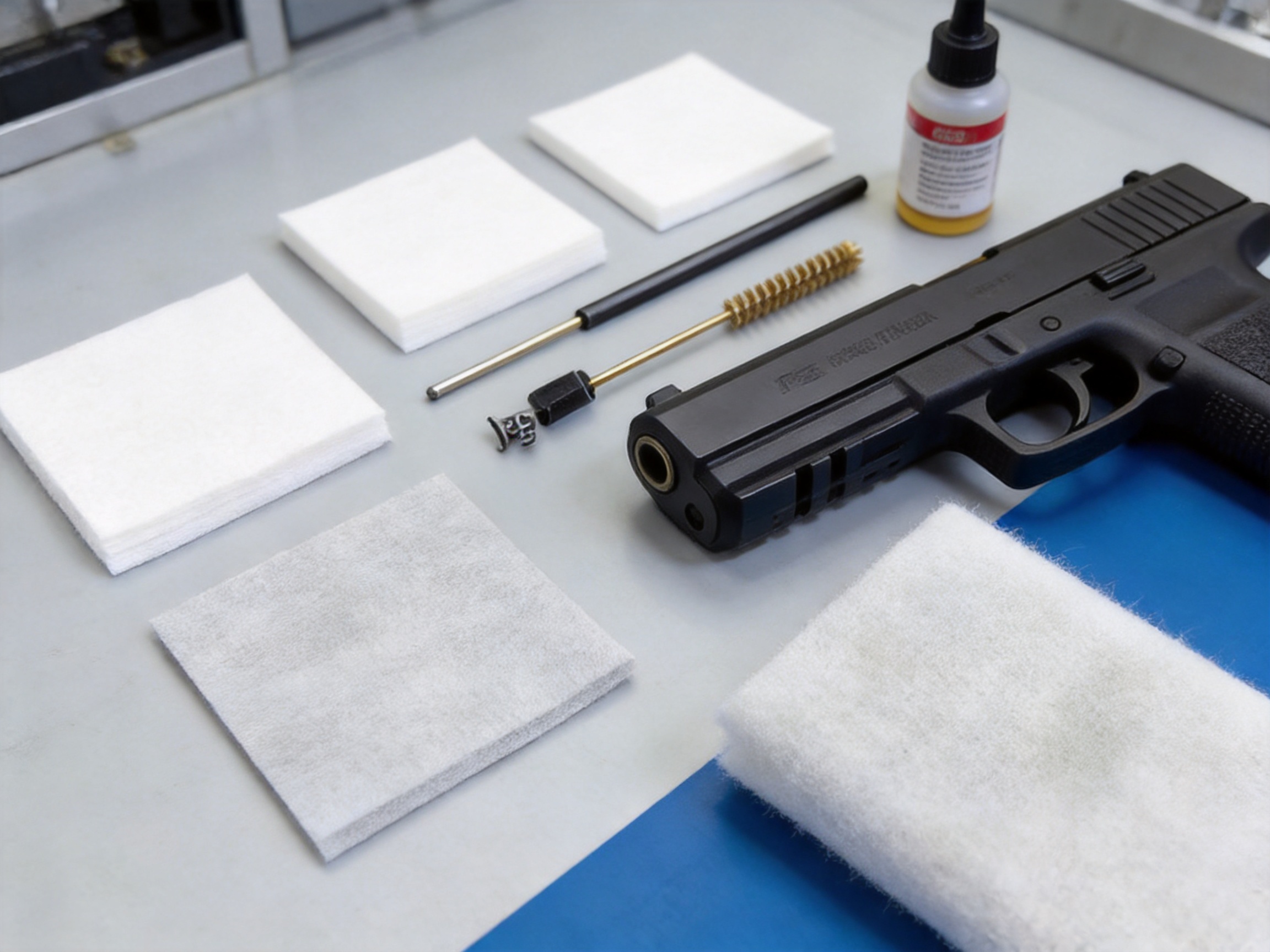
The product is available in multiple rectangular sizes, allowing distributors, firearm maintenance suppliers, professional users, and private-label customers to select the format most suitable for their applications. Smaller patches can be used with cleaning rods and jags for pistols and rifle bores, medium patches are suitable for larger-caliber rifles and shotgun cleaning, and larger cloths can be used on receivers, stocks, exterior metalwork, tools, and other broad surfaces.
For buyers seeking a dependable alternative to ordinary household rags, low-quality paper products, or heavily shedding woven fabrics, this nonwoven gun cleaning cloth offers a practical combination of consistency, cleanliness, and factory customization.
Firearm cleaning is a precision-oriented task. Although the basic process may appear simple, the quality of the cleaning material can influence efficiency, cleanliness, and the condition of the firearm after maintenance. A cloth that leaves lint behind can create additional debris inside a bore, action, receiver, or trigger area. A material that tears too easily can make it difficult to apply uniform pressure. A cloth with inconsistent dimensions may also be inconvenient for patch holders, jags, storage containers, and preassembled cleaning kits.
Ordinary rags are often made from recycled garments or loosely woven textile materials. These products may be economical, but they can vary greatly in thickness, fiber length, absorbency, and shedding. Some contain seams, loose threads, dyes, or embedded particles that are not suitable for precision cleaning. Paper towels may absorb oils, but they can tear, fragment, and leave small pieces in recessed areas. Conventional cotton patches can also perform well in some applications, yet their loose fibers may be less suitable when users require a low-lint cleaning consumable.
The Lint-Free Nonwoven Gun Cleaning Cloth is designed to address these weaknesses through a controlled nonwoven manufacturing process. The material is formed as a consistent technical fabric rather than cut from an unpredictable household textile. This allows the manufacturer to maintain more stable thickness, fiber distribution, cut dimensions, and handling characteristics across production batches.
For distributors and OEM customers, consistency is particularly important. A product may be sold as an individual consumable, included in a gun cleaning kit, packed with a cleaning rod and jag, or supplied under a customer’s private label. In each case, the cloth needs to look and perform consistently. Stable production quality supports fewer complaints, more predictable packaging, and improved customer confidence.
The core material is a high-density hydroentangled nonwoven fabric. Hydroentanglement uses fine, high-pressure water jets to interlock fibers into a coherent sheet. This process creates a strong and uniform structure without relying on conventional woven yarns or excessive chemical binders. The resulting fabric can remain soft to the touch while maintaining sufficient tensile strength for wiping, patching, and controlled cleaning work.
The compact fiber structure is one of the product’s main advantages. When a patch is pushed through a bore or drawn across a metal surface, it should retain its integrity instead of immediately separating into loose strands. A dense nonwoven structure helps the cloth stay together during normal handling and reduces the amount of loose material that may be released during use.
Hydroentangled fabric also provides a useful balance between flexibility and durability. It can conform to curved surfaces, enter recessed areas, and wrap around cleaning accessories without becoming excessively stiff. At the same time, it is more resistant to tearing than many thin disposable papers. This makes it suitable for repeated wiping motions during a single maintenance session, even though the product is generally intended as a disposable consumable.
The fabric’s surface is soft enough for routine firearm care while remaining functional for dust removal, oil application, and light residue collection. Users can apply a small amount of approved lubricant to the cloth, wipe an exterior metal component, and then use a fresh section or a new patch for final polishing. Because the material is supplied in separate pieces, users can reduce cross-contamination between dirty, oily, and clean stages of maintenance.
Low-lint performance is a central benefit of the product. During firearm maintenance, loose fibers can collect in grooves, recesses, chambers, bolt areas, extractor spaces, and other locations where they may be difficult to remove. In a bore, fibers may mix with cleaning solvent, oil, or fouling residue. A lint-free or low-shedding material helps keep the cleaning process controlled and makes final inspection easier.
The nonwoven cloth is manufactured with a compact fiber arrangement intended to resist shedding. This does not mean that the material should be treated as a sterile laboratory wipe or used without normal inspection. However, compared with ordinary loosely woven rags, it is designed to leave substantially less visible lint and residue during regular cleaning applications.
For professional maintenance suppliers, this characteristic can be used as an important product differentiator. Many customers do not simply want a cloth that absorbs liquid. They want a patch that works predictably with firearm components and supports a clean finishing step. A low-lint product can therefore improve the perceived quality of a complete cleaning kit.
The product is described as anti-static, which is useful when cleaning dust-sensitive surfaces and handling lightweight fibers. Static buildup can cause small particles and fibers to cling to surfaces, packaging, or equipment. By reducing static-related attraction, the cloth can be easier to handle and may help support cleaner wiping operations.
Anti-static performance is especially relevant in dry environments, warehouses, workshops, and packaging operations where lightweight dust can become attached to surfaces. For exporters and kit assemblers, it may also contribute to a more professional unboxing experience because the patches are less likely to behave like loose, floating textile fragments.
As with any cleaning material, anti-static properties should be understood as part of an overall maintenance system rather than a replacement for safe handling procedures. Users should still follow the firearm manufacturer’s instructions, select compatible solvents and lubricants, and inspect the firearm after cleaning.
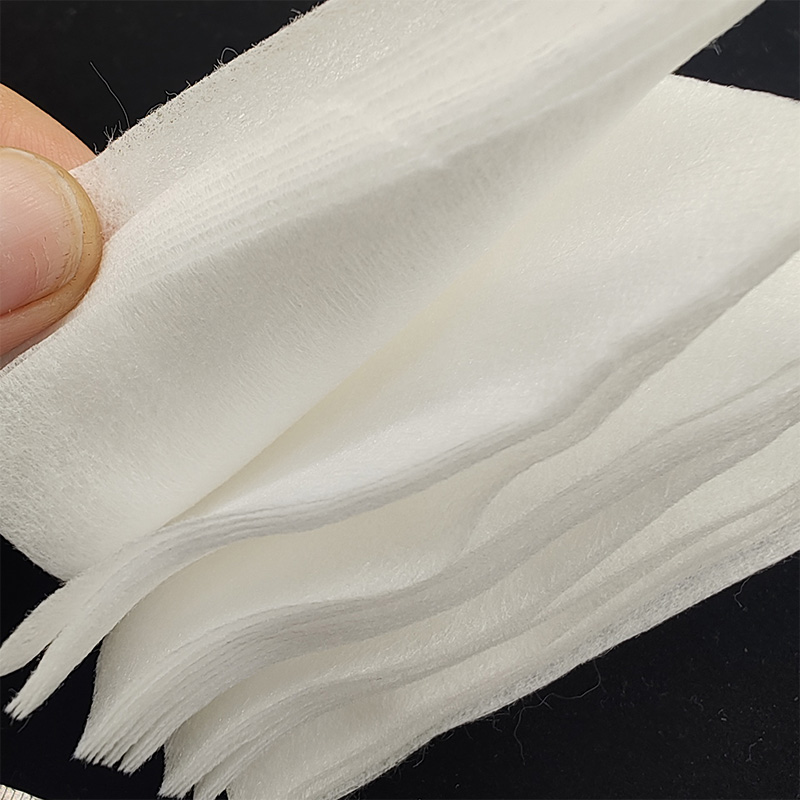
Lint-Free Nonwoven Gun Cleaning Cloth Anti-Static Factory Supply
A major advantage of this product is the availability of multiple dimensions. Firearms vary widely in bore diameter, component size, and cleaning requirements. A small pistol patch is not always practical for a shotgun, while a large cloth can be unnecessarily wasteful when cleaning a compact handgun bore. Offering several formats allows one product family to serve multiple market segments.
| Available size | Recommended application | Typical packaging option | Primary benefit |
| 7.5 × 3.8 cm | Pistols and .223/5.56 mm rifles used with rods and jags | 50 pieces per pack | Compact format for bore cleaning and controlled solvent application |
| 7.5 × 7.5 cm | Larger-caliber rifles and shotgun bore cleaning | 50 pieces per pack | Greater surface coverage and absorbency |
| 19 × 19 cm | Receivers, exterior surfaces, metal components, and broad-area wiping | 50 pieces per pack or 10-piece portable pack | Large working area for wiping, oiling, and surface care |
The 7.5 × 3.8 cm format is particularly practical for compact cleaning operations. It can be folded, wrapped around a jag, or used with compatible cleaning accessories for pistol bores and .223/5.56 mm rifle maintenance. The narrow rectangular profile helps users control how much material enters the bore and how much pressure is applied through the cleaning rod.
The 7.5 × 7.5 cm size provides additional surface area for larger-caliber rifles and shotgun cleaning. It can hold more solvent or lubricant than the smaller format and may be folded into a suitable thickness for use with a cleaning accessory. It is also convenient for wiping bolt faces, chambers, and other moderately sized firearm components.
The 19 × 19 cm format is designed for broad surface care. It can be used to wipe receivers, firearm exteriors, metal components, tools, storage accessories, and work surfaces. A larger cloth is often more convenient when users need to handle an oily component without touching it directly or when they want to complete a final exterior wipe in fewer passes.
Packaging flexibility further improves the usefulness of the product. The standard packaging configuration includes 50 pieces per pack, which is suitable for retail packaging, wholesale distribution, and inclusion in larger cleaning kits. The large-size version can also be supplied in a portable 10-piece pack, making it suitable for range bags, travel kits, field maintenance packs, and compact retail sets.
The primary application is bore cleaning. A properly sized patch can be used with a cleaning rod and jag to carry solvent through the bore, collect loosened fouling, remove excess lubricant, or perform a final visual cleaning pass. The cloth’s compact structure helps it maintain its shape while moving through the bore, and its low-lint characteristics help reduce residual fibers.
Users should select the patch size and cleaning accessory according to the firearm caliber and the manufacturer’s recommendations. A patch should not be forced through a bore with excessive pressure. It should move in a controlled manner, and the user should confirm that the cleaning rod, jag, and patch are compatible with the firearm. The cloth is a consumable cleaning component, not a substitute for correct tool selection.
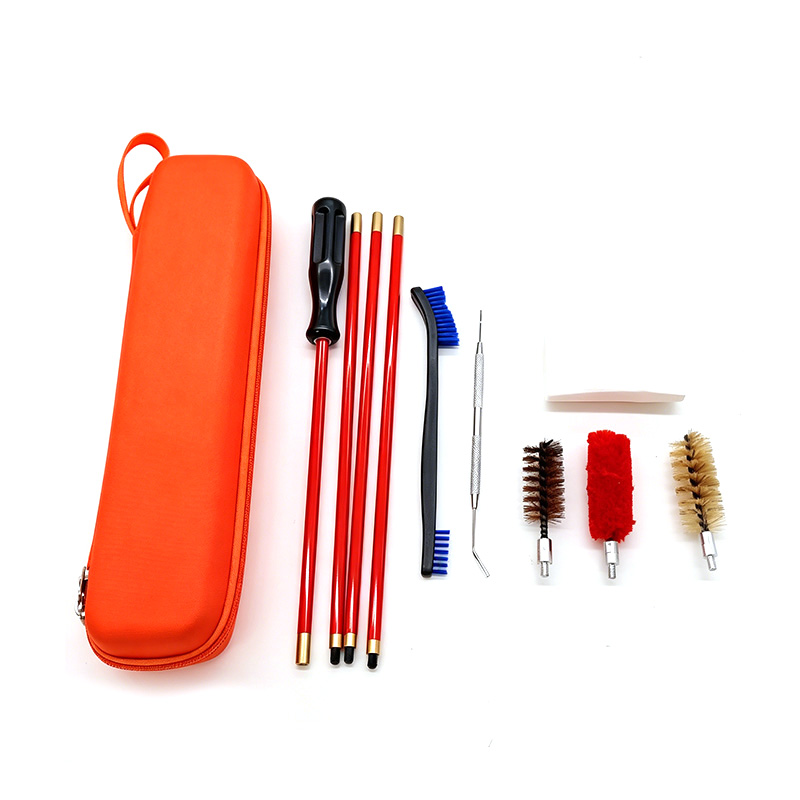
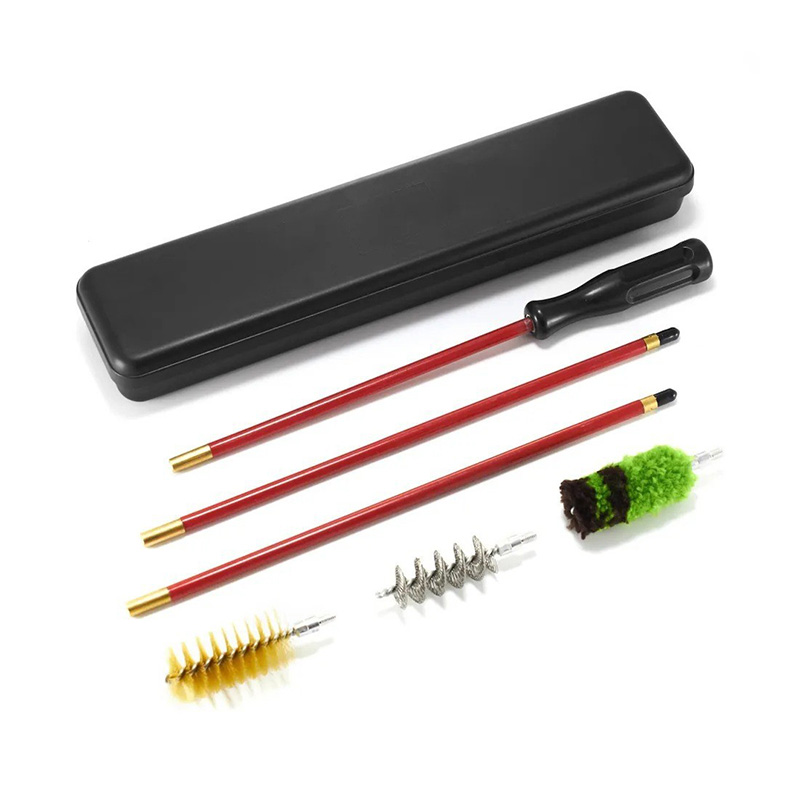
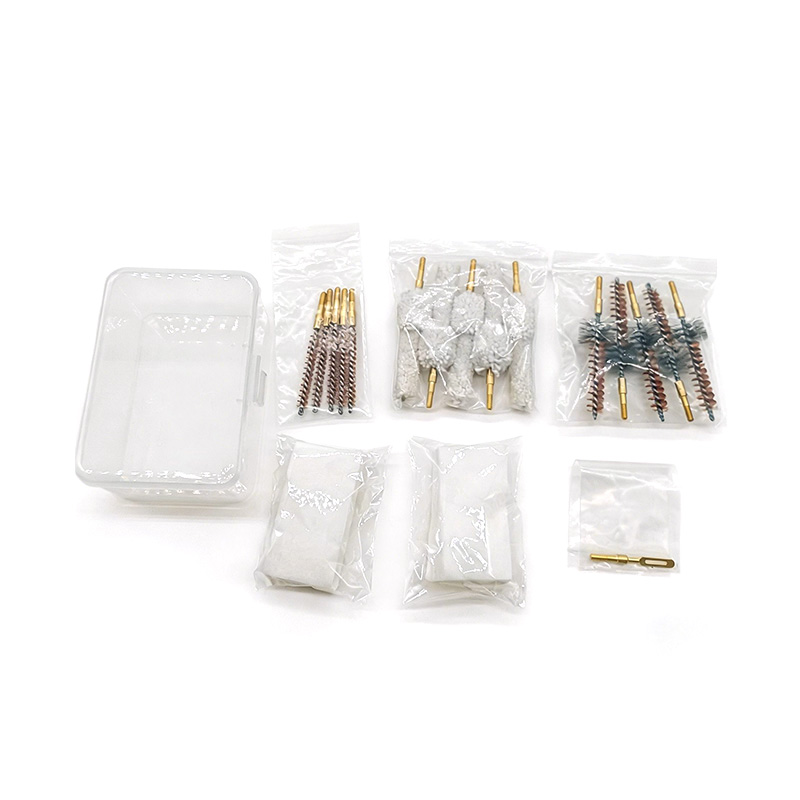
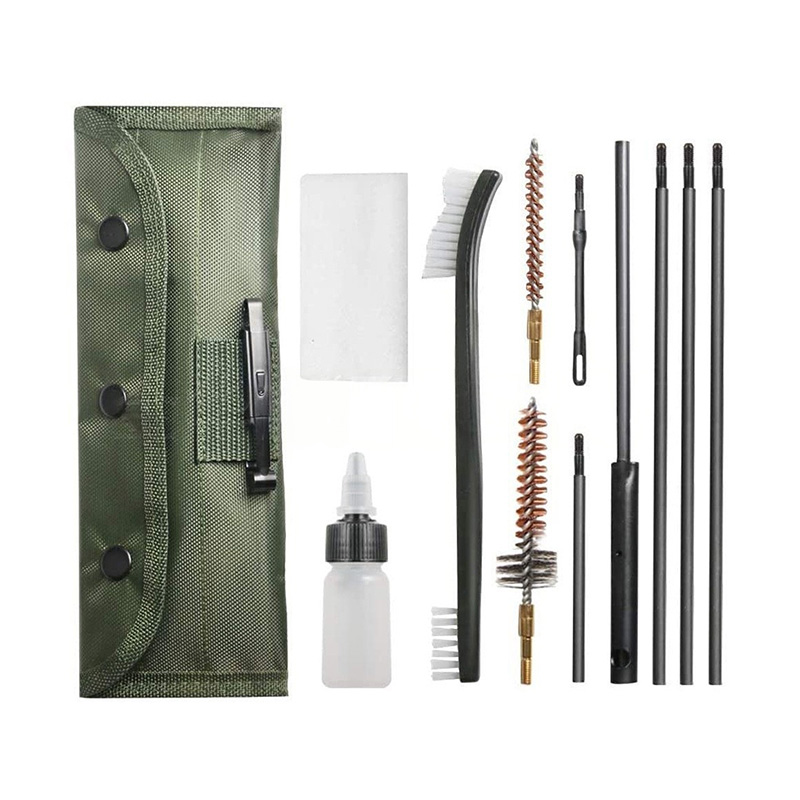
For distributors, the product is compatible with a broad range of cleaning kits because it can be packed with rods, adapters, jags, brushes, bore mops, and solvent containers. This makes it useful as a replacement consumable as well as a component in a complete kit.
The cloth can be used for controlled oiling and lubrication. Applying lubricant directly to a cloth can help distribute a thin, even layer over suitable metal surfaces. This may reduce the risk of applying excessive oil, which can attract dust or migrate into areas where it is not wanted.
A clean patch can be lightly moistened with an approved product and used on exterior metalwork, rails, hinges, contact points, or other areas identified in the firearm’s maintenance instructions. A separate dry patch can then be used to remove excess lubricant and leave the surface more uniform.
Because the cloth is supplied in separate pieces, users can dedicate different patches to solvent application, oiling, drying, and final polishing. This single-use workflow helps reduce cross-contamination between cleaning stages.
Firearm exteriors are exposed to handling marks, dust, moisture, fingerprints, and environmental contaminants. The 19 × 19 cm cloth is well suited to broad exterior wiping because it provides a larger working surface than a narrow bore patch. It can be folded into a convenient pad or used flat for wiping stocks, receivers, metal housings, and accessories.
The soft nonwoven material is suitable for routine surface care when used with compatible cleaning products. It can also be used dry for dust removal or lightly dampened with an approved cleaner. Before applying any chemical to a finished surface, users should verify compatibility and test a small, inconspicuous area when appropriate.
Firearm receivers and small metal components often contain recesses where dust and residue accumulate. A low-lint cloth can be folded or wrapped around a finger, tool, or accessory to access these areas. The material’s flexibility allows it to conform to surfaces without requiring excessive pressure.
For parts removed during routine maintenance, a cloth can be used to wipe away old oil, light fouling, and workshop dust before inspection and re-lubrication. The product is not intended to replace specialized brushes for heavy deposits, but it works effectively as part of a multi-step cleaning system that also includes bronze or brass brushes, nylon brushes, bore mops, and cleaning rods.
Household rags are often inconsistent in size, thickness, fiber composition, and cleanliness. They may contain stitching, labels, seams, dyes, or fabric treatments that are unsuitable for firearm maintenance. A factory-produced nonwoven patch provides standardized dimensions and a more predictable surface, making it easier for users to repeat the same cleaning procedure.
Consistency is also valuable for OEM and private-label customers. When a cleaning kit is sold in different markets, every package should contain components that look and perform similarly. Pre-cut nonwoven patches are easier to count, package, and explain than random cloth pieces.
Loose threads can catch on edges, collect in recesses, or become separated during wiping. The dense hydroentangled structure reduces this issue compared with loosely woven or cut-up household materials. This helps users complete a final cleaning pass with less concern about leaving visible textile debris behind.
Paper towels and tissues may be convenient, but they can tear when exposed to solvent, oil, or friction. Torn pieces can be difficult to remove from small spaces. The nonwoven cloth offers a stronger, more textile-like alternative while remaining disposable and lightweight.
The product is not limited to one task. A single product range can support dry dust removal, solvent wiping, bore cleaning, oil application, exterior polishing, and final inspection. This versatility allows distributors to promote it as a complete maintenance consumable rather than a single-purpose wipe.
The product is suitable for professional shooters, firearm maintenance distributors, law enforcement suppliers, sporting-goods retailers, gunsmithing environments, range operators, and individual firearm owners. Its multiple sizes and packaging configurations also make it suitable for online marketplaces, independent e-commerce stores, and wholesale export channels.
Jinhua Tongshun Tool Factory, also known as Tongshun Tools, has specialized in gun cleaning kits, barrel cleaning brushes, and related accessories since its establishment in 1999. The company integrates research and development, production, and sales, allowing it to manage product design, manufacturing, packaging, and export support within one coordinated organization.
More than 26 years of manufacturing experience provides an important foundation for producing firearm maintenance consumables. Long-term experience helps a factory understand how different cleaning accessories work together, how users handle consumables, and what distributors expect from private-label products. It also supports more efficient communication when customers require changes to size, packaging, branding, or product combinations.
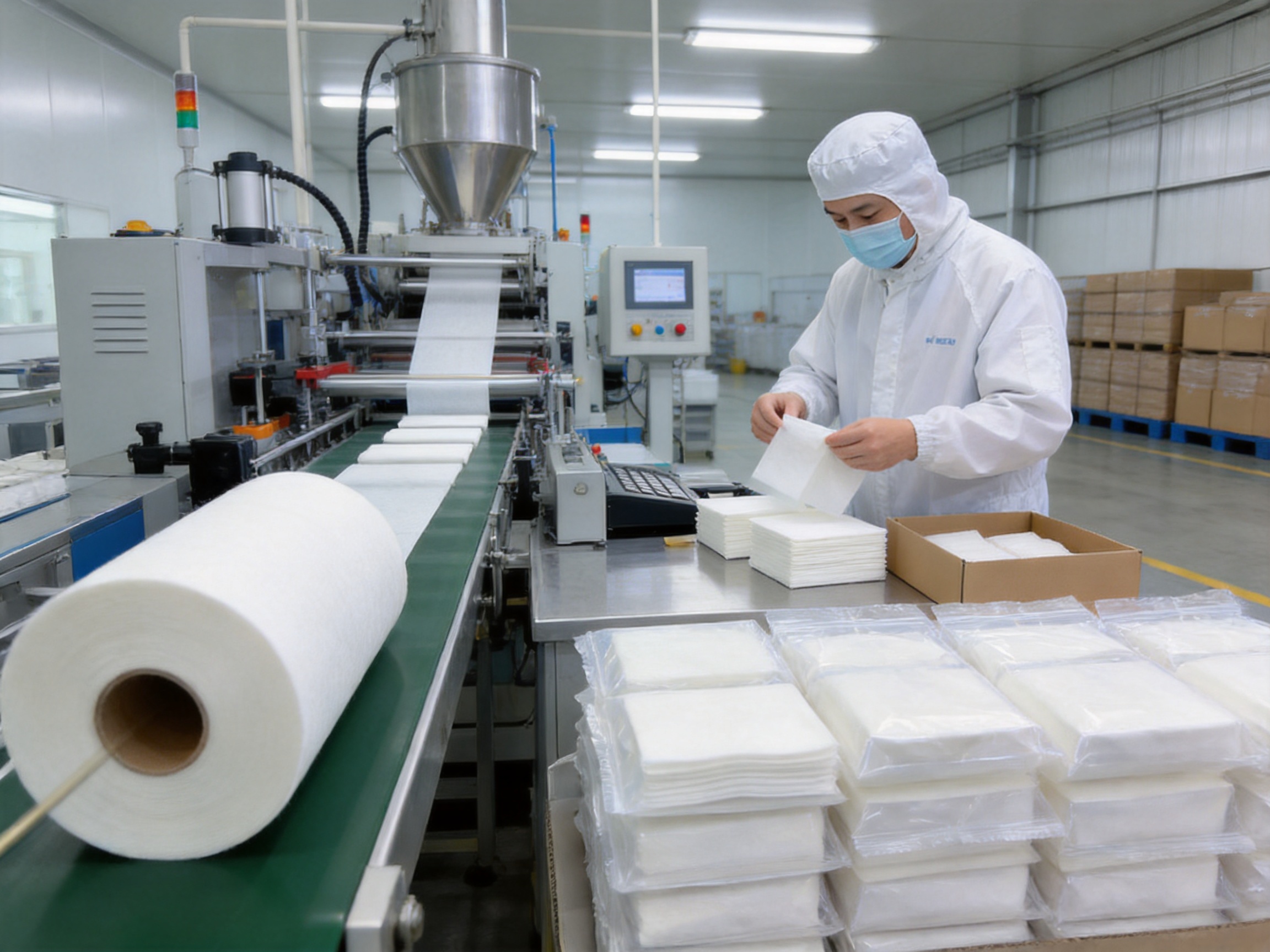
The company operates a modern production facility supported by semi-automatic and fully automated production systems. These systems help improve production capacity and reduce variation in repetitive operations such as material handling, cutting, counting, packing, and labeling. Automation is particularly valuable for a product sold in fixed quantities, such as 50-piece packs, because accurate counting contributes directly to customer satisfaction.
Manufacturing begins with the selection and preparation of suitable nonwoven fabric. The material must provide a balance of softness, strength, absorbency, and low-shedding performance. Fabric rolls are inspected and prepared for cutting according to the required product specifications.
Material inspection may include checking surface uniformity, visible contamination, thickness consistency, and general structural integrity. A stable input material helps the finished patches maintain a consistent appearance and handling feel from batch to batch.
After material preparation, the fabric is cut into the required rectangular formats. Controlled cutting supports accurate dimensions for the 7.5 × 3.8 cm, 7.5 × 7.5 cm, and 19 × 19 cm versions. Consistent cutting is important when patches are used with jags, rods, packaging inserts, or retail boxes designed for a particular quantity.
Clean cutting also helps reduce unnecessary loose edges. While no disposable textile product should be expected to produce absolutely no fibers under every condition, accurate cutting and suitable equipment can help maintain a neat edge and reduce avoidable fraying.
Packaging is another area where factory control creates value. Standard packs contain 50 pieces, while selected large-size packs may contain 10 pieces. Automated or semi-automated counting systems help improve quantity accuracy and support efficient high-volume packing.
Packaging can be customized for OEM and ODM projects. Customers may request different pack counts, printed bags, boxes, labels, inserts, barcode arrangements, or multilingual instructions. The ability to coordinate the product and packaging through one supplier can simplify procurement and reduce the need to manage several separate vendors.
Large-scale orders require stable batch management. A factory with established production systems can organize raw material preparation, cutting, packing, inspection, and shipment in a more systematic way. This is especially important for exporters supplying multiple markets, where product specifications and packaging requirements may differ by customer.
Tongshun Tools exports to more than 50 countries and regions and provides OEM and ODM services, including customized products, packaging, and logos. Its international experience supports customers that need a supplier familiar with cross-border documentation, production schedules, export packaging, and marketplace-oriented product presentation.
The nonwoven cleaning cloth is suitable for both standard wholesale purchasing and customized programs. Buyers may choose the existing sizes and pack configurations or discuss adjustments based on their market positioning. Potential customization areas include logo printing, packaging design, product bundles, pack quantity, labeling, and integration with other firearm cleaning accessories.
For a retailer, the cloth may be sold as a replacement consumable in a simple branded pouch. For a cleaning-kit manufacturer, it may be packed with a rod, jag, brush set, bore mop, and lubricant container. For a distributor, it may be supplied in bulk for repacking under a regional brand. These different models can be supported by the same core material and production platform.
Custom packaging can also help clarify product use. A label may identify the recommended firearm types, available sizes, piece count, low-lint characteristics, and intended cleaning functions. Clear packaging information helps reduce misuse and gives consumers a better understanding of why a purpose-made firearm patch is preferable to an ordinary cloth.
OEM customers should provide complete requirements at the beginning of a project. Important information includes the desired dimensions, tolerance, material preferences, piece count, packaging format, printing artwork, language requirements, carton specifications, and estimated order volume. Early confirmation helps the factory plan materials and production capacity more efficiently.
Factory-direct sourcing can offer several advantages for importers and wholesalers. Buyers can communicate directly with the manufacturer, reducing the risk of specification changes being misunderstood through multiple intermediaries. Direct communication also makes it easier to discuss samples, packaging adjustments, quality concerns, and repeat-order planning.
Factory supply may also support more competitive pricing, especially for larger orders. By purchasing from the production source, customers may have greater flexibility in pack quantities, accessory combinations, and private-label presentation. The exact commercial terms depend on order volume, customization, materials, packaging, and shipping requirements.
A manufacturer with an established range of gun cleaning products can provide coordinated sourcing. Instead of ordering cloth patches from one supplier, brass brushes from another, nylon brushes from a third, and cleaning rods from a fourth, a buyer may be able to combine multiple maintenance products through one experienced factory. This can simplify quality coordination and reduce the complexity of international procurement.
Tongshun Tools specializes in gun cleaning kits, cleaning brushes, rods, bore mops, patches, cloths, and related accessories. Its broader product range supports customers that want to develop complete maintenance sets rather than sell isolated consumables.
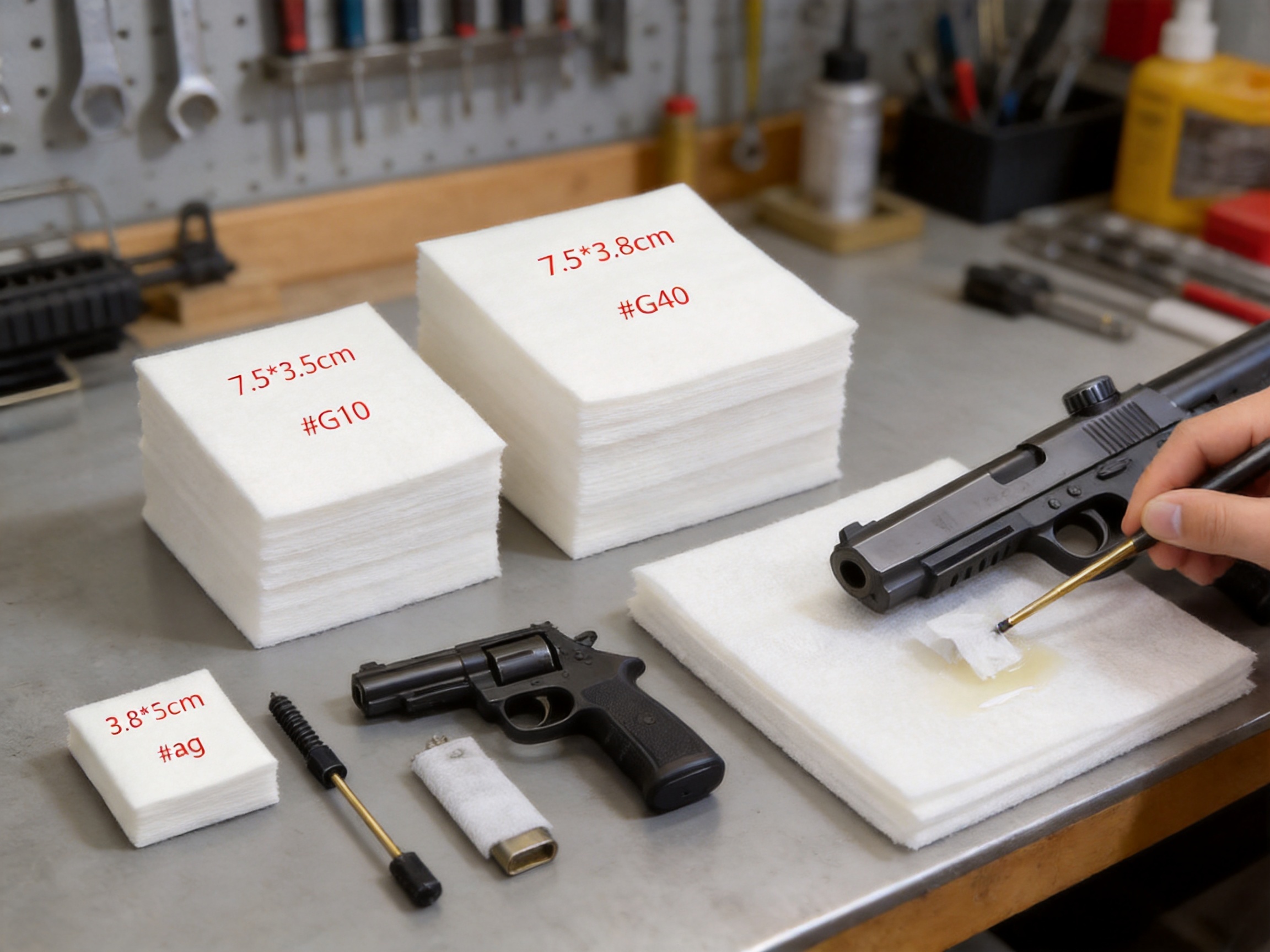
Before beginning maintenance, confirm that the firearm is unloaded and follow the manufacturer’s safety instructions. Remove ammunition from the work area, keep the muzzle pointed in a safe direction, and use appropriate personal protective equipment when handling cleaning chemicals.
Select the cloth size according to the firearm and cleaning task. Use the smaller patch for compact bore-cleaning applications, the medium patch for larger bores and shotguns, and the large cloth for receivers, exteriors, and broad surfaces. Choose a compatible jag, patch holder, cleaning rod, or other accessory where required.
For solvent cleaning, apply an appropriate amount of firearm-approved solvent to the patch rather than saturating it unnecessarily. Move the patch through the bore or across the component according to the firearm manufacturer’s recommended procedure. Use a fresh patch when the first one becomes heavily soiled.
For lubrication, apply a small quantity of approved oil to a clean patch and distribute it evenly over the required surface. Avoid excessive lubricant, particularly in areas where oil may collect dust or migrate into unsuitable locations. Follow the firearm manufacturer’s maintenance instructions for lubrication points.
For final wiping, use a clean, dry patch to remove excess solvent, oil, and visible residue. Inspect the firearm and the used patch. If the patch is heavily contaminated, discard it rather than using it on a clean component.
These cloths are generally intended as disposable consumables. Reusing a heavily soiled patch can transfer fouling and abrasive particles back onto a surface. Proper disposal should comply with local rules for solvent- or oil-contaminated materials.
Store unused cloths in their original packaging or in a clean, dry container. Keep them away from excessive moisture, direct sunlight, high heat, dust, and chemicals that could affect the material. Sealed packaging helps preserve cleanliness before use.
For distributors and warehouse operators, cartons should be stored on clean shelving or pallets rather than directly on the floor. Stock should be rotated according to the company’s inventory policy, and packaging should be inspected before shipment. Damaged or open packs should be checked for contamination before being offered for sale.
Retail packaging should clearly distinguish the different sizes. Separating bore patches from large exterior-wiping cloths can help consumers select the appropriate product and reduce confusion during use. Product descriptions should also explain that the cloth is intended for firearm maintenance and should be used with compatible solvents, oils, rods, and accessories.
In North American and European markets, buyers often look for cleaning products that are consistent, convenient, and suitable for repeat maintenance. The low-lint nonwoven construction, multiple sizes, and standardized packaging directly address these expectations.
In emerging markets, the product can be positioned as an upgrade from improvised rags and general-purpose wipes. The factory-supplied format gives distributors an opportunity to introduce a purpose-made consumable that is easy to explain and easy to bundle with other maintenance products.
For online marketplaces such as eBay, Amazon, AliExpress, and independent websites, product presentation should emphasize the key benefits without making unsupported performance claims. Useful information includes the material type, patch dimensions, pack quantity, compatible firearm categories, bore-cleaning applications, exterior-wiping uses, and availability of OEM packaging.
Professional buyers may also value reliable supply, production capacity, export experience, and customization support. These factors can be more important than the lowest initial unit cost because a stable supplier helps prevent stock shortages, packaging inconsistencies, and variations between repeat orders.
| Cleaning material | Typical strengths | Common limitations | Positioning of the nonwoven cloth |
| Household cotton rag | Low initial cost and easy availability | Inconsistent fibers, seams, lint, and dimensions | More standardized and purpose-designed for firearm maintenance |
| Paper towel | Convenient and absorbent | May tear, fragment, or leave paper residue | More durable during wiping and patch handling |
| Loose woven textile patch | Can be soft and absorbent | May shed threads and vary in thickness | Compact nonwoven structure supports lower-lint use |
| Traditional cotton firearm patch | Established use in bore cleaning | May vary in fiber release and surface consistency | Hydroentangled material offers a controlled technical alternative |
| General-purpose industrial wipe | Available in multiple grades | May not be sized or packaged for firearm kits | Available in firearm-oriented sizes and OEM configurations |
This comparison does not mean that every alternative is unsuitable. Different materials can be useful for different maintenance tasks. The key advantage of the Lint-Free Nonwoven Gun Cleaning Cloth is that it combines the convenience of a disposable wipe with the controlled format and low-shedding characteristics expected from a specialized firearm consumable.
Distributors can benefit from offering several sizes under one product family. This simplifies catalog organization while allowing customers to choose a format suited to handguns, rifles, shotguns, or exterior maintenance. The consistent appearance across sizes can also support a coordinated retail presentation.
Kit assemblers can use the cloth as a value-enhancing component. A cleaning kit that includes only brushes and rods may appear incomplete to consumers who also need patches for solvent removal and oil application. Including properly sized nonwoven patches makes the kit more immediately usable.
Replacement consumables can create repeat-purchase opportunities. Firearm owners may retain their cleaning rods and brushes for years, but they regularly need fresh patches and cloths. A dependable replacement pack can therefore complement the sale of durable tools and support long-term customer relationships.
OEM packaging can further differentiate a kit from competing products. Custom artwork, instructions, pack quantities, and accessory combinations allow retailers to create a more distinctive offer. Tongshun Tools’ experience with customized products, packaging, and logos gives buyers a practical starting point for developing such programs.
As a disposable product, the cloth should be used thoughtfully. Users should avoid wasting patches by selecting an appropriate size and applying only the amount of solvent or oil required for the task. Clean patches should be reserved for clean stages of maintenance, while heavily contaminated pieces should be discarded responsibly.
From an operational perspective, disposable nonwoven patches can improve workplace organization. Pre-cut pieces are easier to count and distribute than bulk fabric rolls or irregular rags. In a workshop, range maintenance station, or retail kit, the fixed format can help users estimate consumption and keep supplies organized.
Packaging choices can also influence material efficiency. Buyers may select 50-piece packs for routine use or 10-piece large-cloth packs for portable applications. Matching pack size to customer behavior can reduce unnecessary packaging and improve product convenience.
The cloths are made from high-density hydroentangled nonwoven fabric. The material is designed to provide a compact fiber structure, soft handling, durability, and reduced lint release during firearm maintenance.
Yes. The available sizes support different firearm categories and maintenance tasks. The smaller size is suitable for many pistol and .223/5.56 mm rifle applications when used with compatible cleaning accessories. The medium size is suitable for larger-caliber rifles and shotgun bore cleaning, while the large size is intended for receivers, exterior surfaces, and broad-area wiping.
The standard packaging includes 50 pieces per pack. The large-size version is also available in a portable 10-piece pack, subject to the selected product configuration and order requirements.
Yes, it can be used with compatible firearm cleaning solvents. Users should follow the solvent manufacturer’s instructions, avoid unnecessary saturation, and confirm that the cleaning chemical is suitable for the firearm surface or component being treated.
Yes. A clean cloth can be lightly moistened with an approved lubricant and used to distribute a thin layer over appropriate surfaces. A fresh dry cloth can then be used to remove excess oil.
They are primarily intended as disposable cleaning consumables. Reusing a heavily soiled cloth may transfer fouling, oil, and abrasive particles to clean surfaces. For best results, use a fresh patch when the cloth becomes contaminated.
The product is manufactured from a controlled nonwoven material and cut into standardized dimensions. Compared with many household rags, it is designed to provide more consistent size, lower lint release, cleaner handling, and better suitability for inclusion in firearm cleaning kits.
Yes. OEM and ODM customization is available. Potential options include packaging, logos, labels, pack quantities, and product combinations. Specific customization depends on order volume, artwork, materials, and production requirements.
Private-label supply can be discussed with the factory. Customers should provide their desired branding, packaging format, piece count, and market requirements so the production team can evaluate the project.
Yes. Jinhua Tongshun Tool Factory specializes in gun cleaning kits, barrel cleaning brushes, bronze and brass brushes, nylon brushes, bore mops, cleaning rods, adapters, patches, cloths, and related accessories.
The product is manufactured in Jinhua, Zhejiang, China, by Jinhua Tongshun Tool Factory.
Buyers should confirm the required size, material, pack quantity, packaging style, logo requirements, order volume, delivery schedule, inspection expectations, and export documentation. Confirming these details in advance helps reduce delays and supports consistent repeat orders.
The Lint-Free Nonwoven Gun Cleaning Cloth Anti-Static Factory Supply is a practical and versatile consumable for modern firearm maintenance. Its high-density hydroentangled nonwoven structure provides a controlled alternative to ordinary rags, fragile paper products, and inconsistent textile patches. The low-lint design supports cleaner bore and surface care, while the anti-static characteristics contribute to easier handling in dust-sensitive maintenance environments.
Multiple sizes allow the product to serve pistols, rifles, shotguns, receivers, exterior surfaces, and general hardware applications. Standard 50-piece packs support routine maintenance and wholesale distribution, while the 10-piece large-size pack provides a portable option for range bags, field kits, and travel use.
For professional buyers, the product is supported by the manufacturing experience of Jinhua Tongshun Tool Factory. Established in 1999, the company integrates research and development, production, sales, OEM, and ODM services. Its semi-automatic and automated production systems support high-volume orders, controlled cutting, standardized counting, and consistent packaging. Export experience covering more than 50 countries and regions further supports international distribution.
Whether purchased as a replacement patch, included in a complete gun cleaning kit, or developed as a private-label consumable, this nonwoven cloth offers a strong balance of performance, convenience, customization, and factory supply capability. It is a suitable solution for distributors and firearm maintenance brands seeking a reliable, low-lint cleaning material with broad market potential.
1. Product specification materials for Lint-Free Nonwoven Gun Cleaning Cloth Anti-Static Factory Supply, model 1211.
2. Manufacturer information supplied by Jinhua Tongshun Tool Factory, Jinhua, Zhejiang, China.
3. General firearm maintenance practices concerning bore cleaning, lubrication, patch selection, and safe handling.
4. Technical background information on hydroentangled nonwoven fabric construction and fiber entanglement processes.
5. Packaging and product-format information for firearm cleaning consumables, OEM products, and private-label maintenance kits.