English
 русский
 Español
 عربى

HUNTACE HUNTACE HUNTACE HUNTACE HUNTACE
HUNTACE HUNTACE HUNTACE HUNTACE

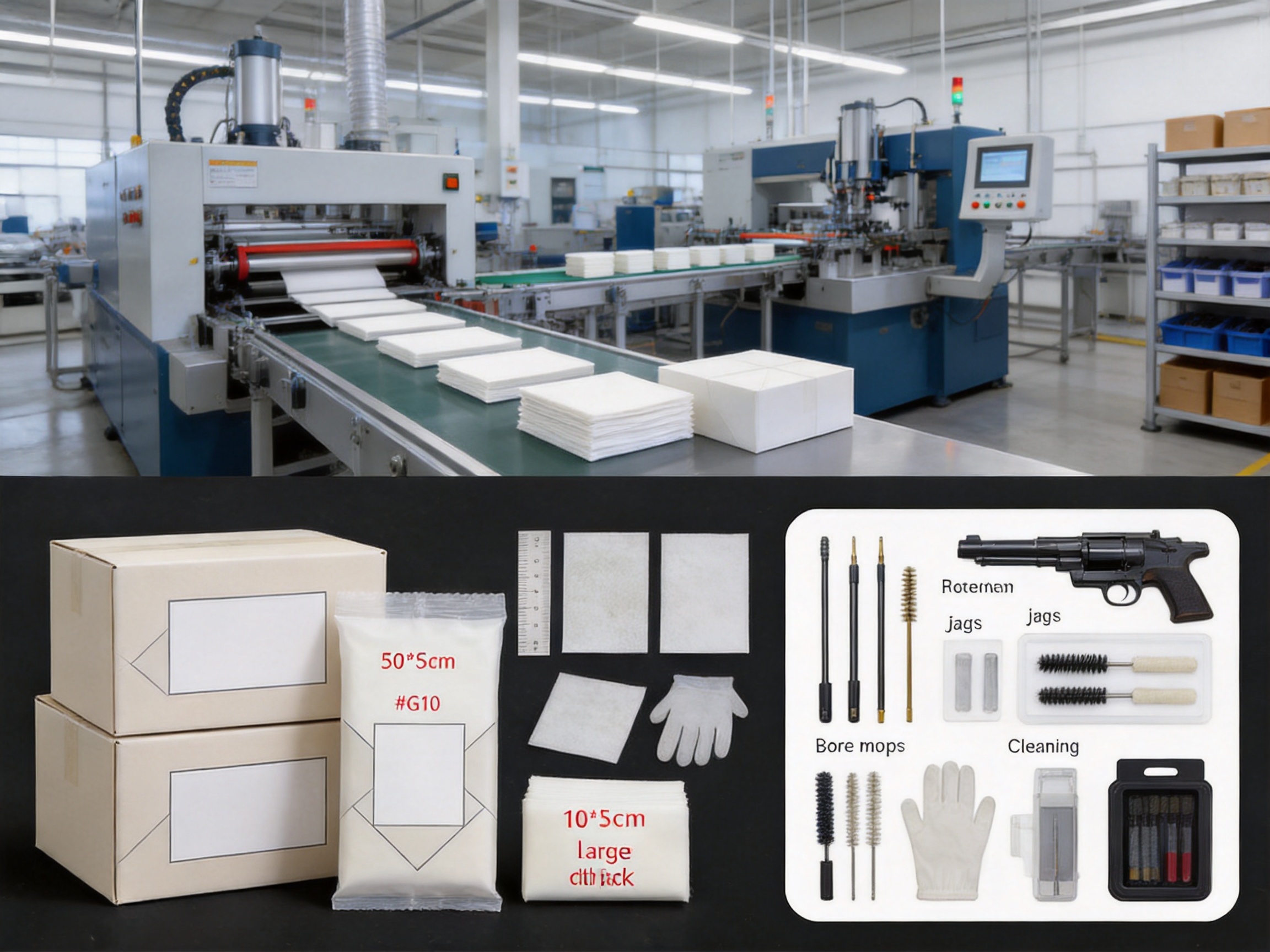
Reliable cleaning consumables are essential for maintaining the performance, appearance, and service life of firearms. While rods, brushes, jags, and lubricants receive much of the attention in a cleaning system, the cloth or patch used to remove fouling, distribute oil, and wipe exterior surfaces is equally important. A poorly made patch may shed fibers, tear during use, leave residue in the bore, or provide inconsistent coverage. A well-designed patch supports a more controlled and efficient maintenance process.
The lint-free nonwoven gun cleaning cloth described in this article is a professional-grade consumable manufactured for firearm bore cleaning, lubrication, dust removal, and general surface care. Made from high-density hydroentangled nonwoven fabric, it combines a compact fiber structure with soft handling and practical durability. The material is designed to minimize lint and residue while remaining suitable for pistols, rifles, shotguns, receivers, metal components, and other firearm surfaces.
Available in multiple sizes and packaging formats, the cloth is intended to support both individual maintenance and commercial distribution. Its rectangular construction is compatible with cleaning rods, jags, patches, and manual wiping applications. It can be supplied for standard retail packaging, bulk purchasing, OEM programs, ODM projects, and cross-border e-commerce channels.
Firearm maintenance involves more than removing visible dirt. During firing and handling, a firearm can accumulate carbon fouling, powder residue, dust, excess lubricant, fingerprints, and environmental contaminants. These materials may collect inside the bore, around the chamber, on the receiver, or on exterior metal surfaces. A suitable cleaning cloth helps remove these contaminants without introducing new fibers or particles.
In a bore-cleaning process, the patch is commonly used after brushing or as part of a solvent-and-lubricant application. The patch can carry cleaning solution through the bore, wipe loosened residue from the internal surface, and provide a visual indication of whether additional cleaning is required. When the patch is lint-free, it is less likely to leave loose fibers in rifling grooves, chambers, or other narrow areas.
For exterior cleaning, the cloth provides a soft contact surface for wiping metal parts, polymer components, stocks, and accessories. It can remove dust and excess oil without the rough feel that may be associated with unsuitable shop rags or abrasive materials. Because the cloth is disposable, the user can select a clean piece for each stage of the maintenance process, reducing the risk of transferring residue from one component to another.
Consistent patch quality is particularly important for professional users. Firearm distributors, shooting instructors, law enforcement suppliers, gunsmithing businesses, range operators, and maintenance teams often require consumables with repeatable dimensions and stable performance. A standardized nonwoven cleaning cloth can simplify inventory management and help create a more consistent cleaning procedure.
This cleaning cloth is manufactured from high-density hydroentangled nonwoven fabric. Unlike woven fabric, nonwoven material is formed by bonding and entangling fibers into a continuous sheet rather than interlacing individual yarns. Hydroentanglement uses high-pressure water jets to consolidate the fibers, creating a fabric with a compact and relatively uniform structure.
The resulting material is soft enough for routine wiping but sufficiently durable for practical cleaning applications. Its fiber structure is designed to resist shedding during normal use. This characteristic is valuable when cleaning bores, grooves, receivers, and other areas where loose lint could be inconvenient or undesirable.
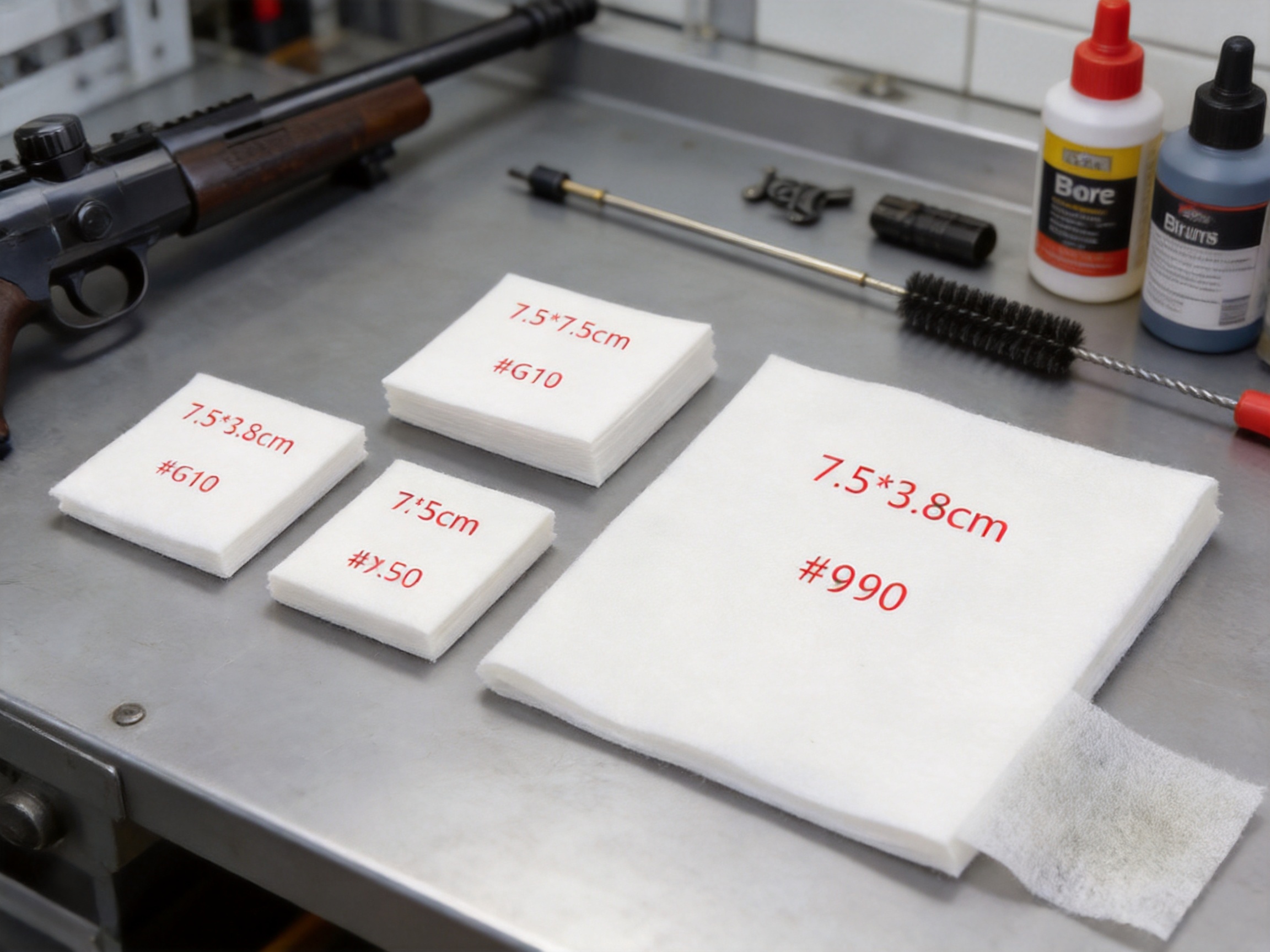
The cloth is rectangular and available in several dimensions. The smaller format is suitable for use with cleaning rods and jags on pistols and smaller-caliber rifles. The medium format provides additional coverage for larger-caliber rifles and shotgun bores. The large format is intended for exterior wiping, receivers, metal components, and broad surface areas.
Standard packaging includes 50 pieces per pack for the listed small, medium, and large specifications. The large-size version may also be supplied in a portable 10-piece pack for users who prefer a compact quantity for field kits, range bags, or travel maintenance supplies.
| Product characteristic | Specification or benefit | Typical application |
|---|---|---|
| Material | High-density hydroentangled nonwoven fabric | Bore cleaning, oiling, dust removal, and surface wiping |
| Fiber performance | Lint-free construction designed to reduce shedding | Internal firearm surfaces and precision cleaning tasks |
| Small size | 7.5 × 3.8 cm | Pistols and .223/5.56 mm rifles with rods and jags |
| Medium size | 7.5 × 7.5 cm | Larger-caliber rifles and shotgun bore cleaning |
| Large size | 19 × 19 cm | Receivers, firearm exteriors, metal components, and broad areas |
| Standard pack quantity | 50 pieces per pack | Retail, professional, and maintenance-kit use |
| Portable large-size option | 10 pieces per pack | Range bags, field kits, and compact maintenance packages |
| Customization | OEM and ODM support available | Private-label packaging, customized product programs, and export sales |
The principal advantage of this product is its material construction. High-density nonwoven fabric provides a more controlled cleaning surface than many general-purpose cloth alternatives. The compact fiber structure helps the cloth retain its shape during wiping and reduces the release of loose fibers.
Lint control is especially relevant when cleaning the bore. Small fibers may be difficult to see once they enter a narrow internal passage. They can also interfere with visual inspection or become mixed with lubricant and residue. A cloth designed for low-lint performance helps reduce this concern and supports a cleaner finishing stage.
The hydroentangled structure also creates a balance between softness and strength. A material that is too rough may create unnecessary friction on finished surfaces. A material that is too weak may tear when pushed through a bore or folded around a component. This cleaning cloth is designed to provide practical handling strength while maintaining a soft, non-abrasive contact surface for routine maintenance.
Compared with ordinary cotton scraps, the nonwoven format offers greater consistency from piece to piece. Cotton rags may vary in thickness, weave, fiber length, and cleanliness. They may also contain loose threads, seams, or remnants of dyes and finishes. A standardized nonwoven patch is easier to portion, package, store, and use in a repeatable maintenance routine.
Compared with paper towels, the nonwoven cloth is better suited to controlled cleaning tasks that involve contact with metal parts and cleaning fluids. Paper products may tear, disintegrate, or leave pulp when exposed to solvent or oil. The nonwoven fabric is intended to remain more coherent during normal wiping and patch applications.
A bore patch must perform several functions. It should pick up loosened fouling, distribute a suitable cleaning solution, remove excess lubricant, and provide a relatively clean final pass. The patch must also move through the bore in a controlled manner without creating excessive bulk or leaving significant residue.
The small 7.5 × 3.8 cm format is designed for compact applications. When properly folded or used with a compatible jag, it can be used for pistols and .223/5.56 mm rifles. Its smaller footprint helps the user control the amount of material placed on the cleaning tool and can reduce unnecessary waste during repeated passes.
The 7.5 × 7.5 cm format provides more surface area for larger-caliber rifles and shotgun bore cleaning. The additional material can help absorb solvent, oil, and loosened residue. It may also be folded to create a thicker wiping surface or adjusted to suit the cleaning accessory being used.
Users should always select a patch size and cleaning accessory appropriate for the firearm and caliber. A patch should not be forced through a bore with excessive pressure. The correct cleaning procedure, solvent compatibility, and equipment selection should follow the firearm manufacturer’s instructions and applicable safety requirements.
The large 19 × 19 cm format serves a different purpose. It is designed for exterior wiping, receiver cleaning, metal components, and larger surfaces rather than being limited to bore use. This makes it a useful addition to a complete maintenance kit, where a single product family can cover both internal and external cleaning tasks.
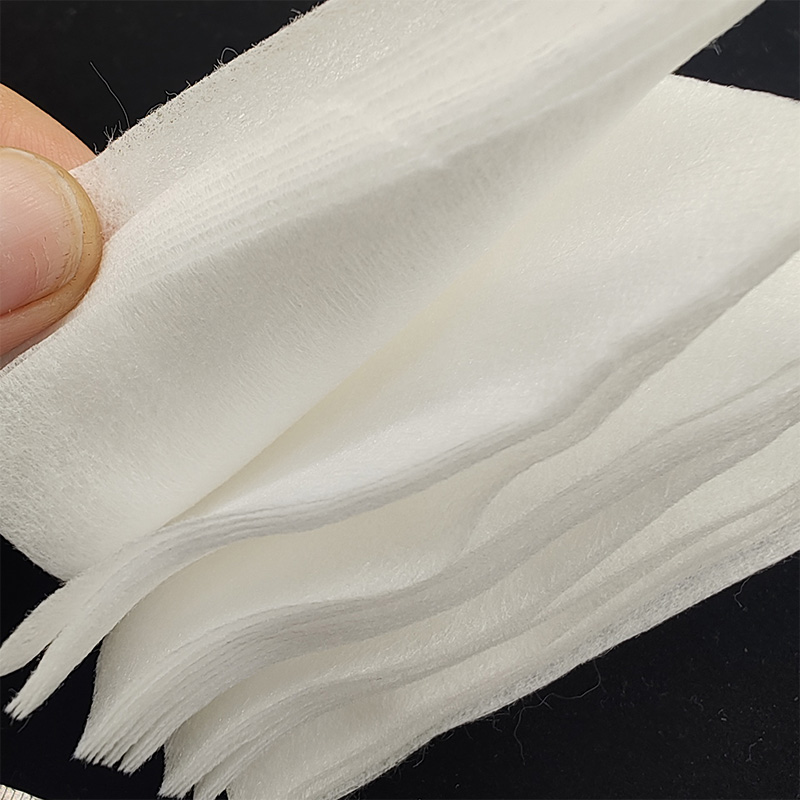
Lint-Free Nonwoven Gun Cleaning Cloth Anti-Static Factory Supply
Pistols often require compact cleaning accessories that can reach the bore, slide, frame, chamber area, and other small components. The smaller cloth format is suitable for use with a compatible rod and jag during bore maintenance. It can also be folded for wiping the slide, barrel exterior, feed ramp area, and other accessible surfaces.
Because pistol components are relatively compact, a large cloth may be inefficient for detailed work. Smaller pre-cut pieces make it easier to use a clean section for each step. This can be useful when the user wants to separate solvent application, residue removal, and final oiling.
Rifles may require more deliberate bore-cleaning procedures because of their longer barrels and rifling profiles. The small patch format is suitable for many .223/5.56 mm applications when used with an appropriate cleaning rod and jag. The medium format can provide additional coverage for larger-caliber rifle bores.
For rifle maintenance, lint control is valuable during the final inspection stage. A clean, low-lint patch can help remove excess oil and remaining loose residue before the firearm is stored. The cloth can also be used to wipe external metal parts, bolt components, and other surfaces according to the firearm manufacturer’s maintenance instructions.
Shotgun bores generally require a larger cleaning surface than many pistol or small-caliber rifle applications. The 7.5 × 7.5 cm format is intended to support shotgun bore cleaning when paired with a compatible accessory. The larger cloth format can also be used to wipe the receiver, barrel exterior, and other broad surfaces.
For commercial shotgun maintenance kits, offering a dedicated medium patch size can improve the usability of the kit. It allows the product package to address the needs of shotgun owners without requiring users to cut general-purpose cloth into smaller pieces.
The 19 × 19 cm cloth is intended for larger-area wiping. It can be used to remove dust, fingerprints, excess oil, and general surface contamination from receivers, metal components, and firearm exteriors. Its size allows the user to fold the cloth into multiple clean surfaces, which may extend the usable area of a single piece.
When wiping finished surfaces, users should select cleaning fluids and lubricants that are compatible with the firearm’s materials and protective finishes. The cloth itself is designed as a cleaning consumable; it does not replace the need to follow proper chemical-handling and firearm-care instructions.
The market includes many types of firearm cleaning patches, including cotton flannel, woven cloth, paper products, felt, and generic industrial wipes. Each material may have a suitable application, but the nonwoven cloth offers several practical advantages for buyers seeking consistent, low-lint performance.
Uncut cotton rags may be inexpensive, but they are not always consistent. Their thickness and fiber density may vary within the same batch. They may contain seams, loose threads, or remnants from previous use. Pre-cut nonwoven patches provide more predictable dimensions and cleaner handling.
The standardized sizes also make it easier for a manufacturer or distributor to state intended applications. A customer can select a small, medium, or large format according to the cleaning task instead of cutting a larger piece manually.
Paper towels are convenient for general household wiping but may not be ideal for firearm maintenance. They can tear when pushed through a bore, break down when exposed to certain fluids, and leave paper fragments. The nonwoven fabric is designed for stronger handling performance and improved fiber retention during routine cleaning.
Some low-cost fabric wipes are made from loosely bonded fibers or recycled textile blends with inconsistent composition. These materials may shed lint or contain hard particles that are unsuitable for delicate surfaces. The high-density nonwoven construction offers a more controlled material profile for firearm maintenance.
Reusable cloths can be practical when properly cleaned, but they require washing, drying, inspection, and storage. If not thoroughly cleaned, they may transfer abrasive particles, carbon residue, or old lubricant to another firearm. Disposable pre-cut patches simplify the process by providing a fresh cleaning surface when needed.
For high-volume commercial users, disposable consumables can also make workflow management easier. A business can estimate usage, maintain standardized inventory, and include a known quantity in each cleaning kit or service package.
One of the practical benefits of disposable patches is the ability to use a fresh piece for different cleaning stages. A patch used to remove heavy fouling should not necessarily be reused for final oiling or exterior finishing. Separating these tasks helps reduce the transfer of residue.
For example, a maintenance routine may use one patch for applying solvent, another for removing loosened fouling, and a third for applying or removing a small amount of lubricant. The exact procedure will vary according to the firearm, cleaning product, and manufacturer’s recommendations, but the disposable format allows the user to organize the process more cleanly.
Cross-contamination control is also important when servicing multiple firearms. A clean patch for each firearm or component can help prevent the transfer of carbon, dust, metal particles, or old lubricant. This is particularly useful for professional service providers, shooting clubs, ranges, and distributors who process multiple products in a single work area.
Used cloths should be handled and discarded according to the safety instructions for the cleaning chemicals and oils involved. Solvent-soaked materials should not be stored carelessly or placed near heat, flames, ignition sources, or incompatible chemicals.
The product title identifies the cloth as anti-static, which is relevant in environments where dust attraction and static buildup are concerns. A cloth with anti-static characteristics can help reduce the tendency of airborne dust to be attracted to the wiping material or treated surface during handling.
Anti-static performance should be understood as a material feature rather than a substitute for proper workshop controls. Clean storage, suitable ventilation, careful chemical handling, and an organized work surface remain important. The cloth is intended to support a cleaner maintenance process by combining low-lint construction with anti-static positioning.
This feature can be useful for distributors serving users who value clean presentation and controlled handling. It may also support product differentiation in retail listings, provided that product claims are presented accurately and in accordance with applicable regulations and testing documentation.
The manufacturer, Jinhua Tongshun Tool Factory, was established in 1999 and specializes in firearm cleaning kits, barrel cleaning brushes, and related maintenance accessories. With more than 26 years of manufacturing experience, the company has developed a product range covering bronze and brass brushes, nylon brushes, bore mops, cleaning rods, adapters, patches, cloths, and complete cleaning kits.
The company operates in Jinhua, Zhejiang Province, a manufacturing region with established supply-chain resources and production experience. Its facility uses semi-automatic and fully automated production systems to support larger orders and consistent manufacturing output. This production structure is relevant to buyers who require stable supply rather than occasional small-batch availability.
Automation can improve repeatability in several areas, including material handling, cutting, counting, packing, and batch organization. For pre-cut cleaning cloths, dimensional consistency and quantity accuracy are important because they influence product presentation, customer expectations, and packaging efficiency.
A combination of semi-automatic and automated processes also provides production flexibility. Standardized products can be manufactured efficiently at scale, while customized packaging, labeling, and product configurations can be coordinated for OEM and ODM projects. This is especially valuable for distributors that need to balance established specifications with market-specific packaging requirements.
The manufacturer reports exports to more than 50 countries and regions. Its main sales markets include Africa, Europe, North America, the Middle East, and other international destinations. The company also supports major cross-border sales channels, including eBay, Amazon, AliExpress, and independent websites.
Customization is identified as an available feature for this product. For importers and distributors, this can create several opportunities. The cleaning cloth may be incorporated into a new firearm maintenance kit, supplied under a retailer’s own packaging, or bundled with rods, brushes, jags, lubricants, and storage cases.
OEM services generally involve manufacturing according to a buyer’s established specifications, brand presentation, packaging, or quantity requirements. ODM services may involve adapting an existing product configuration or developing a product package suited to a specific sales channel. The factory’s experience with gun cleaning accessories allows customers to source a broader maintenance range from one manufacturing partner.
Potential customization areas may include package quantity, labeling, outer carton design, product inserts, barcode placement, language selection, and combination with other cleaning accessories. Buyers should confirm technical details, minimum order quantities, packaging materials, print requirements, inspection procedures, and delivery schedules before placing a production order.
For online sellers, the three size options can support multiple stock-keeping units. A compact small-pack version may appeal to pistol and rifle owners, while medium and large packs can serve shotgun users, gunsmithing customers, or professional maintenance buyers. A mixed cleaning kit can include all three sizes and present the product as a versatile firearm care solution.
Standard packaging of 50 pieces per pack provides a practical balance between quantity and portability. It is suitable for retail shelves, online listings, professional workshops, and inclusion in larger maintenance kits. A defined quantity also makes inventory planning easier for distributors.
The large-size cloth is additionally available in a 10-piece portable pack. This smaller quantity may be suitable for range bags, field maintenance sets, travel kits, or customers who need exterior wiping cloths without purchasing a large bulk pack.
Packaging should protect the cloth from dust, moisture, compression, and contamination during storage and transportation. For export shipments, buyers should confirm carton dimensions, packaging materials, labeling, and palletization requirements. Proper packaging presentation can also improve the customer’s perception of cleanliness and product quality.
Because the product is supplied as pre-cut pieces, it can be counted and packed more efficiently than irregular textile scraps. This supports consistent retail contents and reduces the need for downstream cutting or repacking by distributors.
For buyers evaluating firearm cleaning cloths, quality should be considered across the full product lifecycle rather than by appearance alone. Important points include fiber shedding, material uniformity, dimensional accuracy, resistance to tearing during intended use, cleanliness, packaging integrity, and consistency between batches.
A professional supplier should be able to discuss the raw material, production method, available sizes, packing quantity, customization capability, and inspection process. Buyers may also request samples before placing a larger order. Sample evaluation can include checking the surface texture, measuring the dimensions, observing the cloth during folding and wiping, and inspecting whether visible fibers remain on a clean surface.
For bore-cleaning applications, testing should be performed with compatible rods, jags, and firearm types. The patch should be used according to safe maintenance procedures. Buyers should avoid evaluating a patch by forcing an unsuitable size through a bore, because improper accessory selection can produce misleading results or create a safety risk.
Packaging and quantity checks are also important. A 50-piece pack should be verified for count accuracy, while large portable packs should be inspected for correct quantity and labeling. For customized orders, pre-production artwork approval and a retained reference sample can help minimize misunderstandings.
Before cleaning, ensure that the firearm is unloaded and handled in accordance with the manufacturer’s safety instructions and applicable laws. Prepare a suitable work area, cleaning rod, jag or compatible accessory, approved cleaning solution, lubricant, and the appropriate cloth size.
Use a clean cloth to remove loose dust, surface contamination, and excess oil from accessible exterior areas. Avoid transferring heavily contaminated material back onto surfaces that have already been cleaned.
For bore maintenance, select the cloth size that corresponds to the firearm and cleaning accessory. Apply only the amount of cleaning solution recommended for the task. Move the patch through the bore using controlled passes and avoid excessive force. Replace the patch when it becomes saturated or heavily contaminated.
After residue has been removed, use a fresh patch for inspection and final wiping. A lint-free material is useful at this stage because it helps minimize loose fibers and allows the user to observe remaining discoloration or contamination more clearly.
If lubrication is required, apply the correct product sparingly using a clean patch. Excess lubricant can attract dust and may not be suitable for every component. Follow the firearm manufacturer’s care instructions and the lubricant supplier’s handling guidance.
Dispose of used patches responsibly, especially when they contain solvents or oils. Store unused packs in a clean, dry location away from heat, moisture, and contamination. Keep cleaning materials away from children and unauthorized users.
This cleaning cloth is suitable for several buyer groups. Firearm accessory importers can add it to their maintenance product portfolio. Shooting sports retailers can sell it as a standalone consumable or bundle it with cleaning rods and brushes. Gunsmithing and service businesses can use it as a standardized workshop supply. Cross-border e-commerce sellers can list the different sizes and packaging formats according to customer demand.
Law enforcement suppliers and institutional buyers may also value standardized disposable cloths for routine equipment maintenance. Institutional orders may require additional documentation, packaging specifications, inspection standards, or delivery planning. These requirements should be confirmed during the quotation and order process.
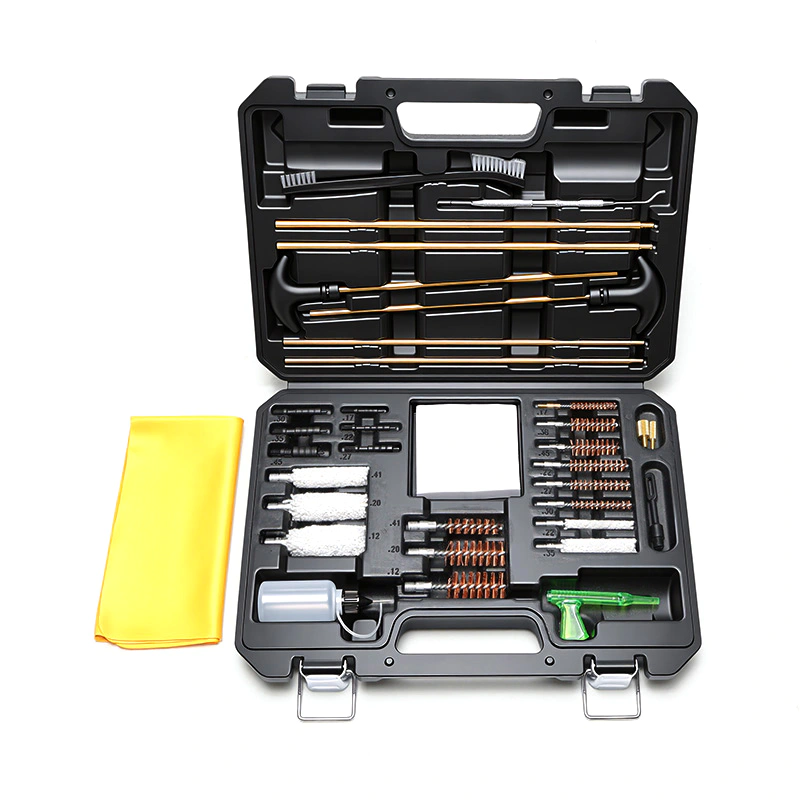
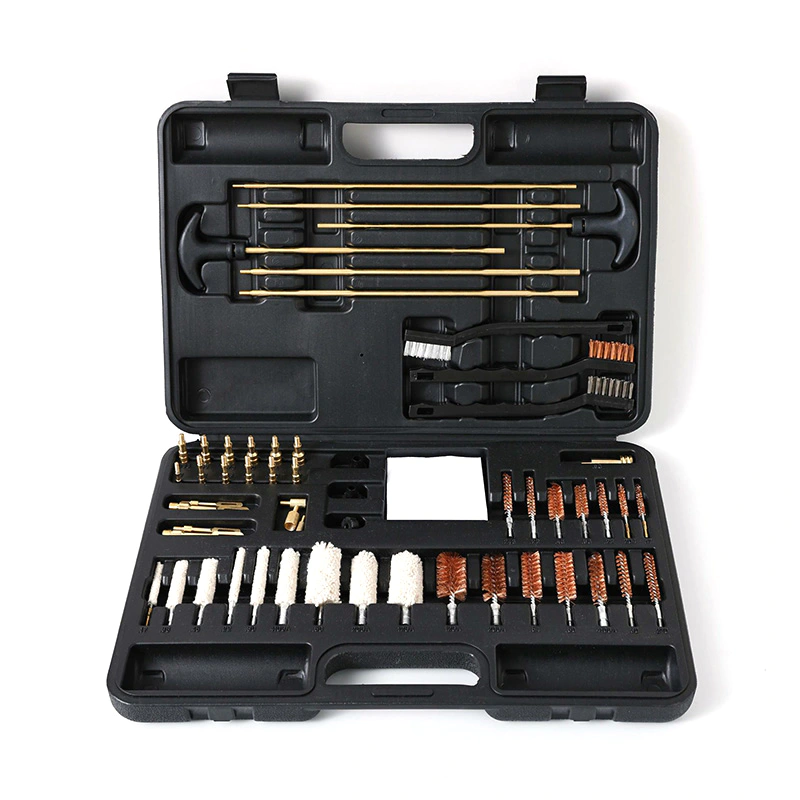
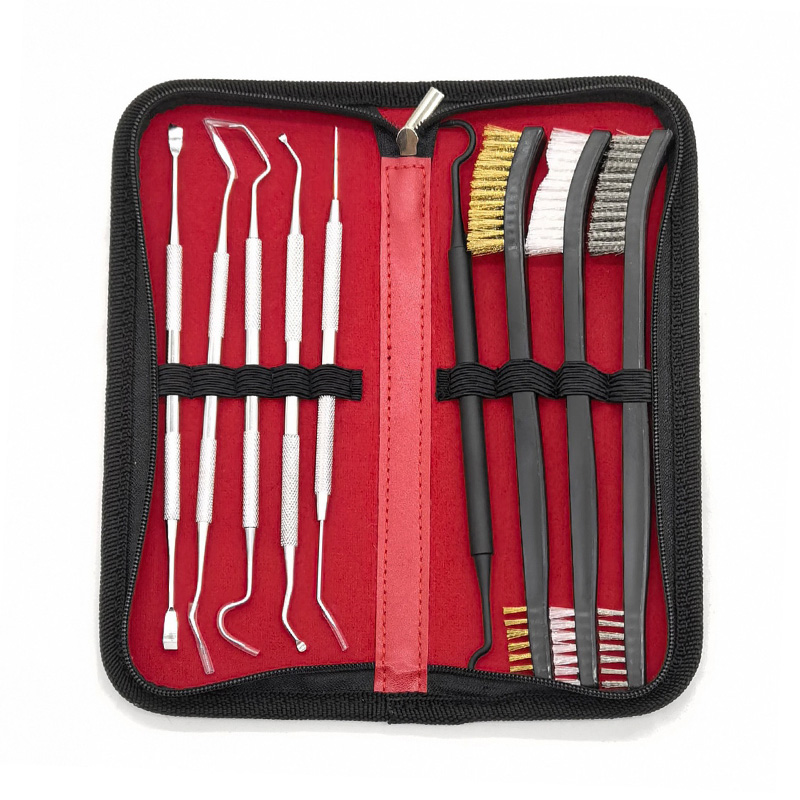
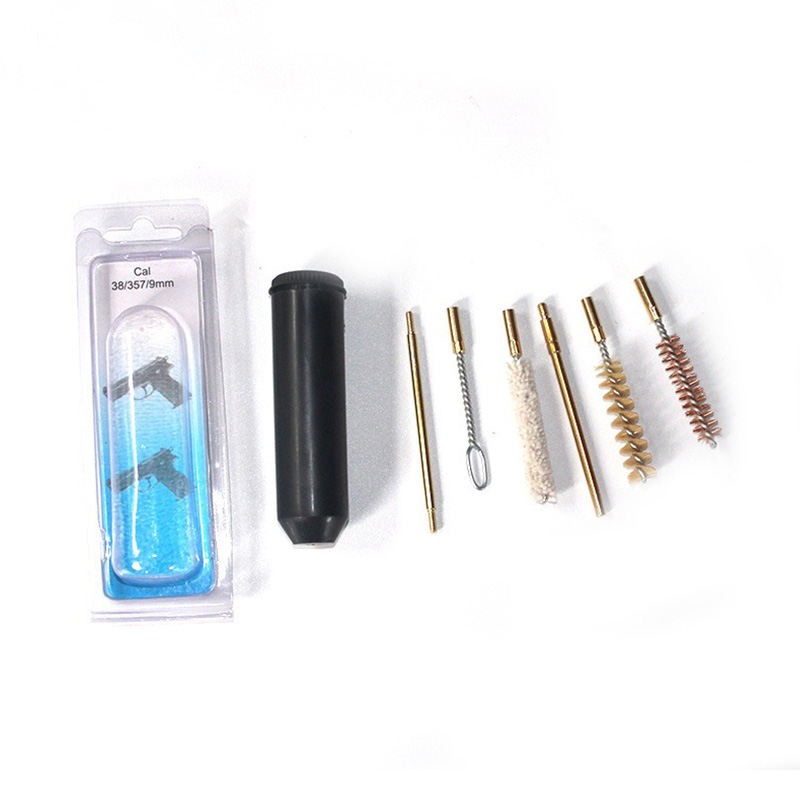
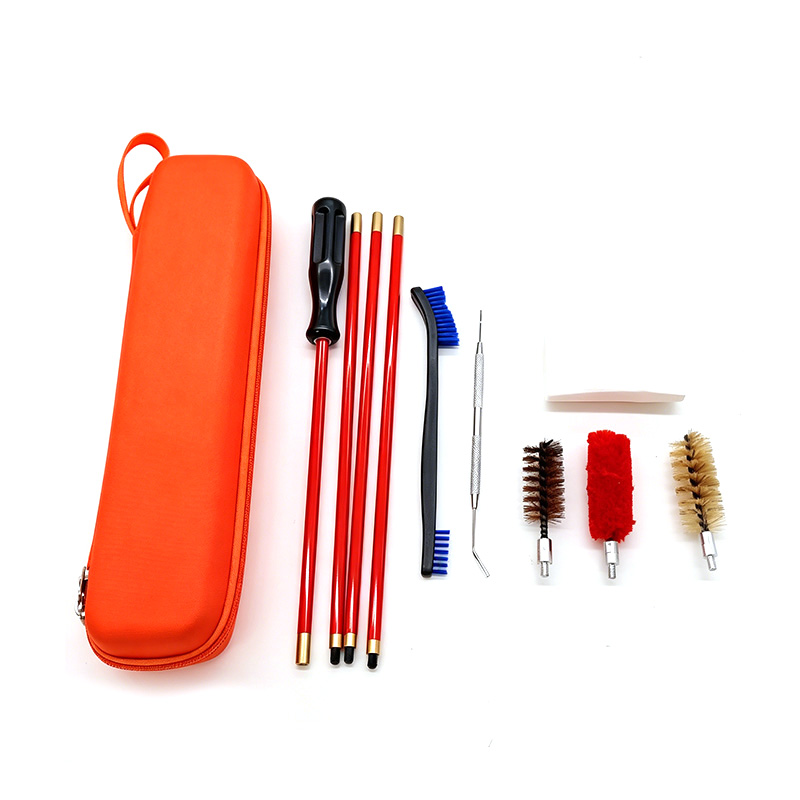
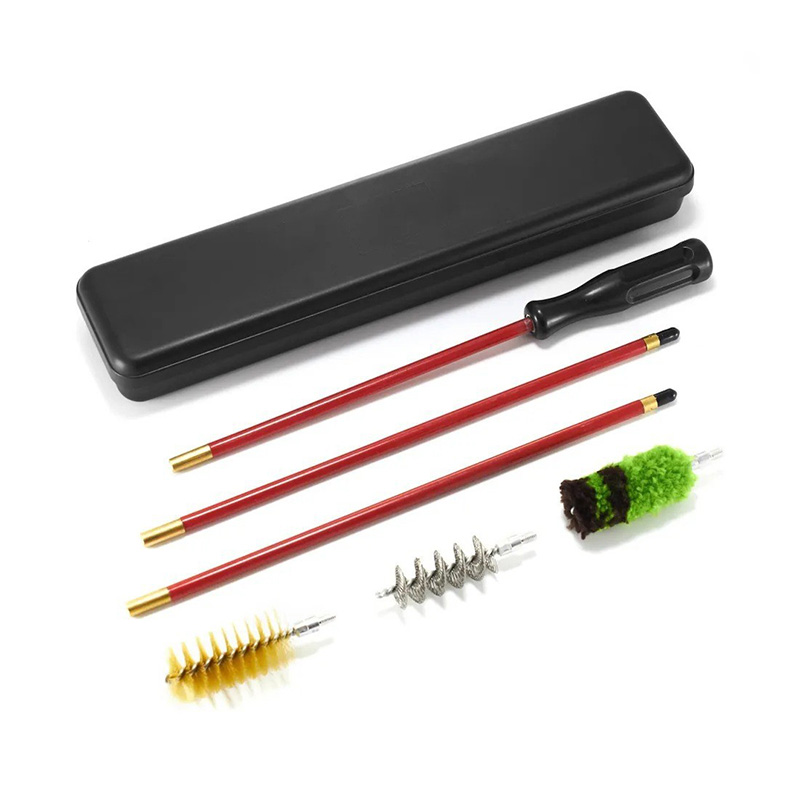
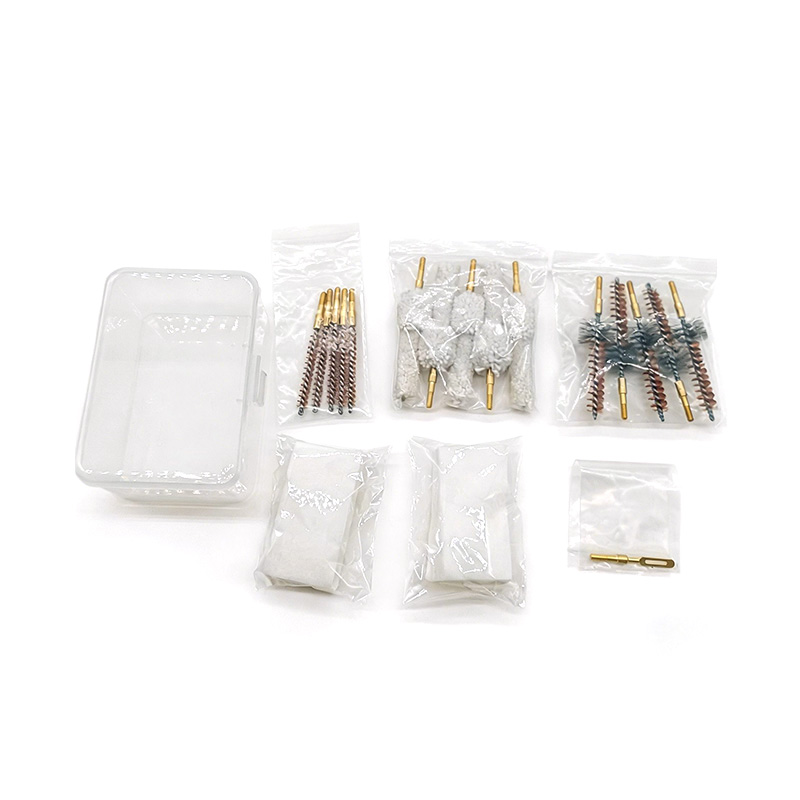
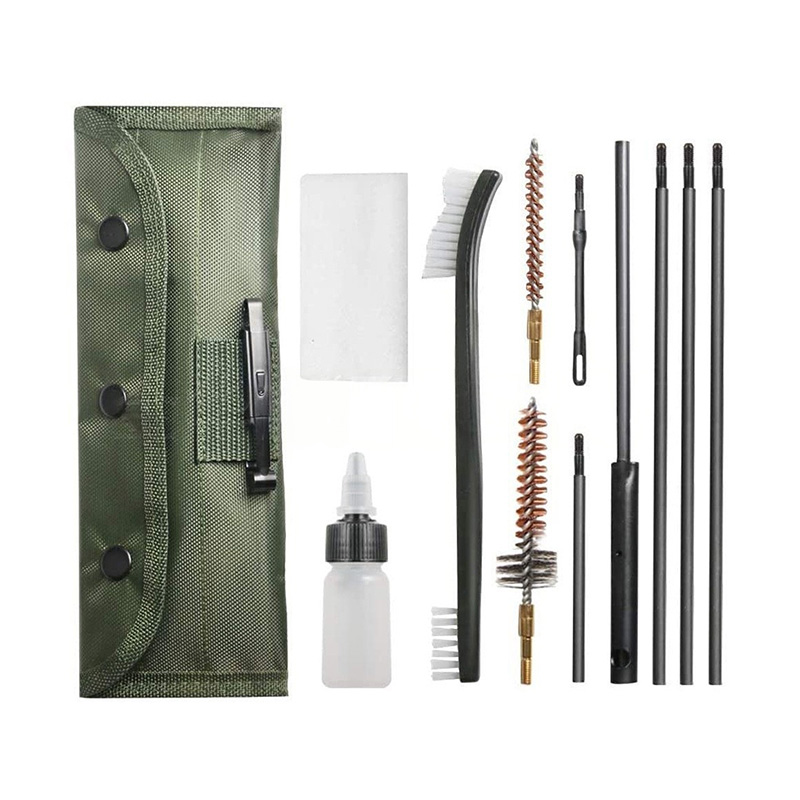
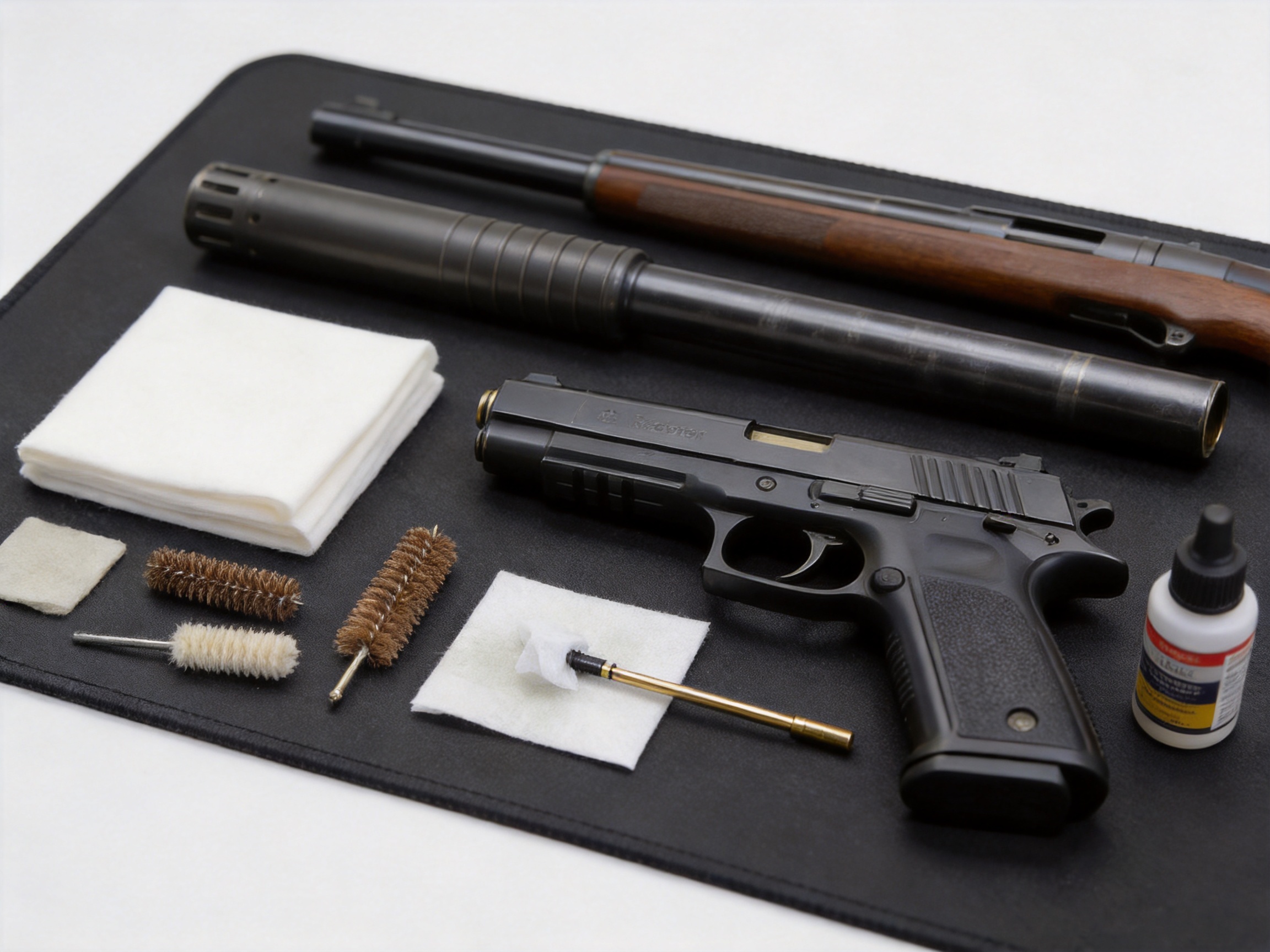
For kit manufacturers, the cloth can complement other products supplied by the same factory. A complete kit may combine bronze or brass bore brushes for loosening fouling, nylon brushes for more delicate brushing tasks, cleaning rods and adapters for access, bore mops for absorbency, and nonwoven patches for wiping and oiling.
This broader product capability can simplify sourcing. Instead of coordinating multiple suppliers for individual accessories, a buyer may discuss a complete product program with one experienced manufacturer. This can help reduce packaging variation, streamline communication, and support unified quality expectations.
The product’s main differentiation comes from the combination of lint-free nonwoven material, anti-static positioning, multiple sizes, disposable convenience, standardized packaging, and OEM/ODM availability. Many cleaning cloths address only one of these requirements. A general-purpose wipe may be soft but not pre-cut. A pre-cut patch may be available in only one size. A bulk industrial wipe may not be packaged for firearm maintenance.
By offering small, medium, and large formats, this product family can cover more maintenance tasks without forcing the customer to purchase unrelated materials. The small size supports compact bore applications, the medium size addresses larger bores, and the large size provides a practical solution for receivers and exterior surfaces.
The manufacturing background also supports product credibility. More than two decades of experience in firearm cleaning accessories provide a foundation for understanding how patches, brushes, rods, mops, and other components are used together. The factory’s automated and semi-automated systems are intended to support repeatable production for international buyers.
Compared with unbranded textile scraps, the product offers a more professional presentation and clearer application guidance. Compared with generic wipes, it provides firearm-oriented sizes and packaging. Compared with one-size patch products, it gives distributors greater flexibility in building assortments and maintenance kits.
Before ordering, buyers should confirm the exact cloth dimensions required for their market. The listed sizes are 7.5 × 3.8 cm, 7.5 × 7.5 cm, and 19 × 19 cm. If a different size is needed, the buyer should ask whether customized cutting is available and whether a new minimum order quantity or tooling arrangement applies.
Packaging quantity should also be confirmed. Standard information identifies 50 pieces per pack, while the large version may be offered in a 10-piece portable pack. Buyers should specify whether they require individual retail packaging, bulk inner packs, master cartons, or inclusion in a complete kit.
Additional points to confirm include material composition, lint-control expectations, anti-static claims, color, folding method, labeling language, private-label artwork, barcode requirements, carton markings, and inspection standards. It is also advisable to clarify production lead time, sample approval, payment terms, shipping terms, and export documentation.
For online sellers, product images and descriptions should accurately match the supplied size and quantity. Listings should avoid suggesting that the cloth replaces professional inspection or guarantees a specific firearm performance result. The safest positioning is as a maintenance consumable designed for cleaning, wiping, and lubrication support.
| Purchasing item | Questions to confirm | Why it matters |
|---|---|---|
| Size | Which of the three standard dimensions is required? | Ensures compatibility with the intended cleaning task |
| Pack quantity | Is the order for 50-piece packs or 10-piece large-size packs? | Supports retail planning and inventory calculation |
| Material | Is the supplied fabric the specified nonwoven material? | Helps maintain product consistency and listing accuracy |
| Customization | Are private-label labels, packaging, or kit combinations required? | Allows the factory to prepare an accurate quotation |
| Quality control | What sample, inspection, and batch requirements apply? | Reduces quality disputes and improves order consistency |
| Shipping | What carton configuration and export documents are needed? | Helps prevent logistics delays |
The cloth is made from high-density hydroentangled nonwoven fabric. The material is designed to provide a compact fiber structure, low-lint handling, softness, and practical durability for firearm maintenance.
Yes. The small and medium formats are intended for bore-cleaning applications when used with a compatible rod, jag, or other cleaning accessory. The user should select the correct size and follow the firearm manufacturer’s maintenance and safety instructions.
The 7.5 × 3.8 cm size is identified as suitable for pistols and many .223/5.56 mm rifle applications when used with a cleaning rod and jag. The correct size may vary according to the firearm and accessory, so users should avoid forcing an oversized patch through the bore.
The 7.5 × 7.5 cm format is intended for larger-caliber rifles and shotgun bore cleaning. It provides more material than the small format and can be used with a compatible shotgun cleaning accessory.
The large cloth is designed for receivers, firearm exteriors, metal components, and other broad surfaces. It can be folded for smaller wiping tasks and is also available in a portable 10-piece pack.
Standard packaging includes 50 pieces per pack for the listed small, medium, and large specifications. The large-size version may also be supplied in a 10-piece portable pack.
It is intended primarily as a disposable cleaning consumable. Using a fresh piece for different cleaning stages can help reduce the transfer of carbon, dust, old lubricant, and other contaminants.
The cloth is designed as a lint-free or low-lint nonwoven product with a compact fiber structure that resists shedding during normal use. As with any textile material, users should inspect the cloth and replace it if it becomes damaged or contaminated.
Customization is available. Buyers can discuss OEM or ODM packaging, labeling, product combinations, and other requirements with the manufacturer. Custom dimensions or pack formats should be confirmed before ordering.
Yes. It can be combined with cleaning rods, adapters, bronze or brass brushes, nylon brushes, bore mops, jags, and other maintenance accessories. The manufacturer specializes in a wider range of firearm cleaning products, which can support integrated kit development.
The product is manufactured in Jinhua, Zhejiang, China, by Jinhua Tongshun Tool Factory. The company has specialized in firearm cleaning tools and accessories since 1999.
The company reports exports to more than 50 countries and regions, with sales coverage including Africa, Europe, North America, the Middle East, and other international markets. Its products are also positioned for cross-border e-commerce channels.
Buyers can inspect dimensions, material uniformity, surface softness, visible lint, tearing resistance during intended use, pack quantity, labeling, and packaging integrity. Testing should be performed with appropriate firearm cleaning accessories and in accordance with safe maintenance procedures.
Used patches should be disposed of according to the safety instructions for the solvents, oils, or other cleaning chemicals they contain. They should be kept away from heat, flames, ignition sources, children, and unauthorized users.
Jinhua Tongshun Tool Factory is a comprehensive manufacturer integrating research and development, production, and sales. Established in 1999, the company focuses on gun cleaning kits, barrel cleaning brushes, cleaning rods, bore mops, patches, cloths, and related accessories.
The company’s product portfolio includes bronze and brass brushes for bore cleaning, nylon and other material brushes for different maintenance requirements, cleaning rods and adapters for access, cotton mops for absorbency, and nonwoven cloths for wiping and oiling. This range supports both standalone product orders and complete kit programs.
The factory uses semi-automatic and fully automated production systems. These systems are intended to provide stable output for larger orders while supporting consistent processing across product categories. The company also provides OEM and ODM services, including customized products, packaging, and logos.
For international buyers, a supplier’s ability to manage product development, manufacturing, packing, and export communication can be as important as the product itself. Tongshun Tools’ experience in international sales and cross-border supply provides a foundation for discussions involving retail, wholesale, institutional, and private-label requirements.
The lint-free nonwoven gun cleaning cloth is a practical maintenance consumable designed to improve the efficiency and cleanliness of firearm care. Its high-density hydroentangled structure supports low-lint performance, soft handling, and useful durability. The anti-static positioning adds another point of differentiation for buyers seeking a cleaner and more controlled wiping material.
Three sizes allow the product to serve different applications. The 7.5 × 3.8 cm format is suited to compact bore-cleaning tasks, the 7.5 × 7.5 cm format provides additional coverage for larger rifle and shotgun bores, and the 19 × 19 cm format supports receivers, exterior surfaces, and larger components. Standard 50-piece packaging and the optional 10-piece large-size pack provide flexibility for retail, professional, field, and commercial use.
Compared with irregular cotton rags, paper towels, generic wipes, and low-quality textile materials, the product offers more consistent sizing, controlled fiber construction, disposable convenience, and firearm-oriented application options. These benefits make it suitable for individual users as well as distributors, shooting retailers, gunsmithing businesses, law enforcement suppliers, and cross-border e-commerce sellers.
Supported by a manufacturer with more than 26 years of experience, semi-automatic and fully automated production capabilities, international export experience, and OEM/ODM services, the product can be supplied as a standalone consumable or incorporated into a broader firearm cleaning program. For buyers seeking a dependable, customizable, and scalable patch and cloth solution, this nonwoven cleaning cloth offers a practical foundation for professional maintenance product lines.
1. Product specification and application information supplied for the lint-free nonwoven gun cleaning cloth.
2. Manufacturer information for Jinhua Tongshun Tool Factory, including company history, production capabilities, export markets, and OEM/ODM services.
3. General firearm maintenance principles concerning bore cleaning, surface wiping, lubricant control, and disposable cleaning consumables.
4. General nonwoven textile manufacturing information concerning hydroentangled fiber structures, material uniformity, and lint-control characteristics.
5. General packaging and quality-control considerations for firearm maintenance accessories and cross-border wholesale products.