English
 русский
 Español
 عربى

HUNTACE HUNTACE HUNTACE HUNTACE HUNTACE
HUNTACE HUNTACE HUNTACE HUNTACE

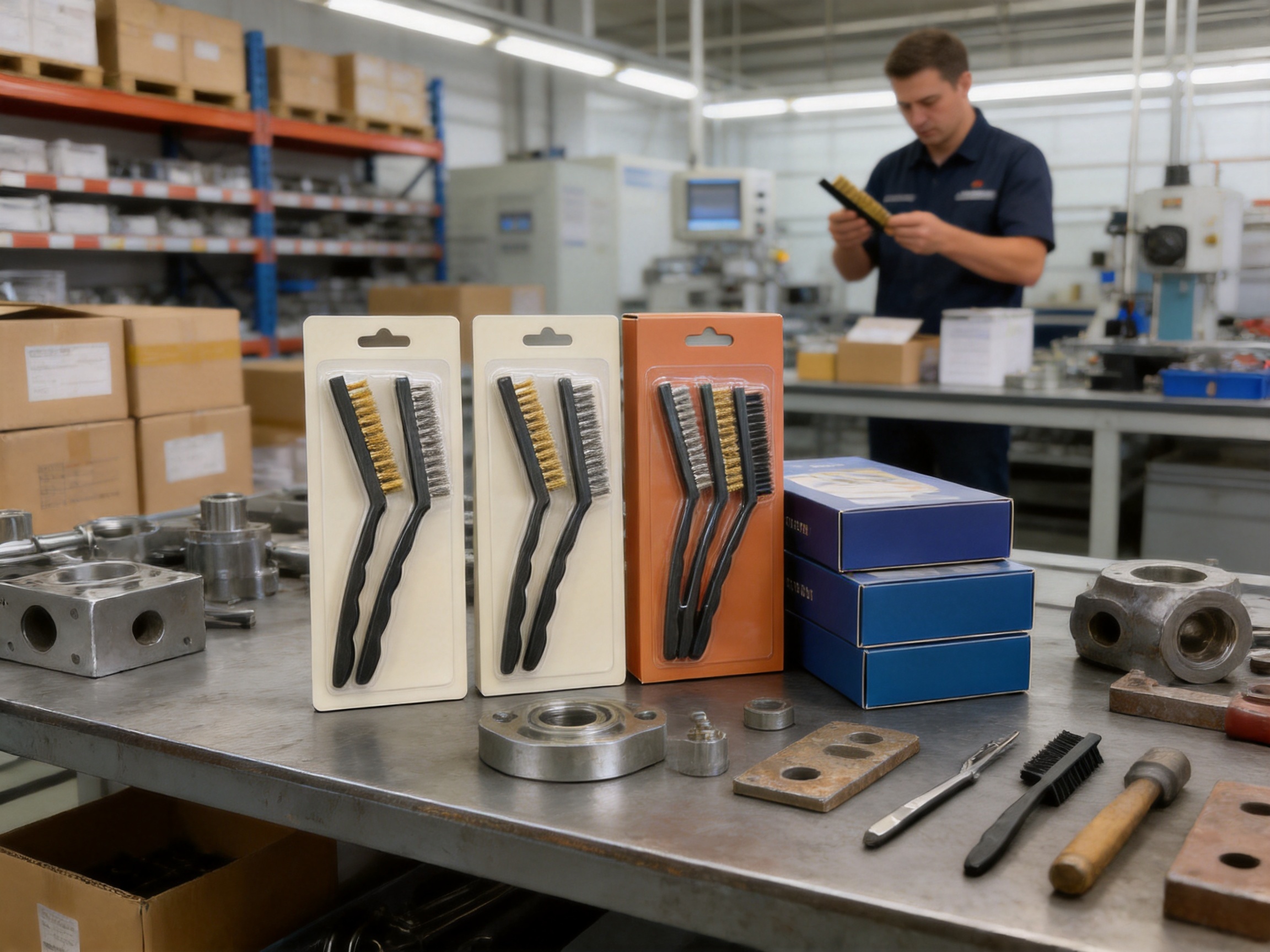
Effective cleaning is one of the most important parts of firearm maintenance, workshop care, and equipment preservation. Residue, oxidation, powder fouling, dirt, grease, and loose corrosion can accumulate in difficult-to-reach areas, reducing reliability and making routine inspection more difficult. A suitable cleaning brush must therefore provide more than simple scrubbing power. It must offer the right balance of strength, surface protection, handling comfort, dimensional control, and supply consistency.
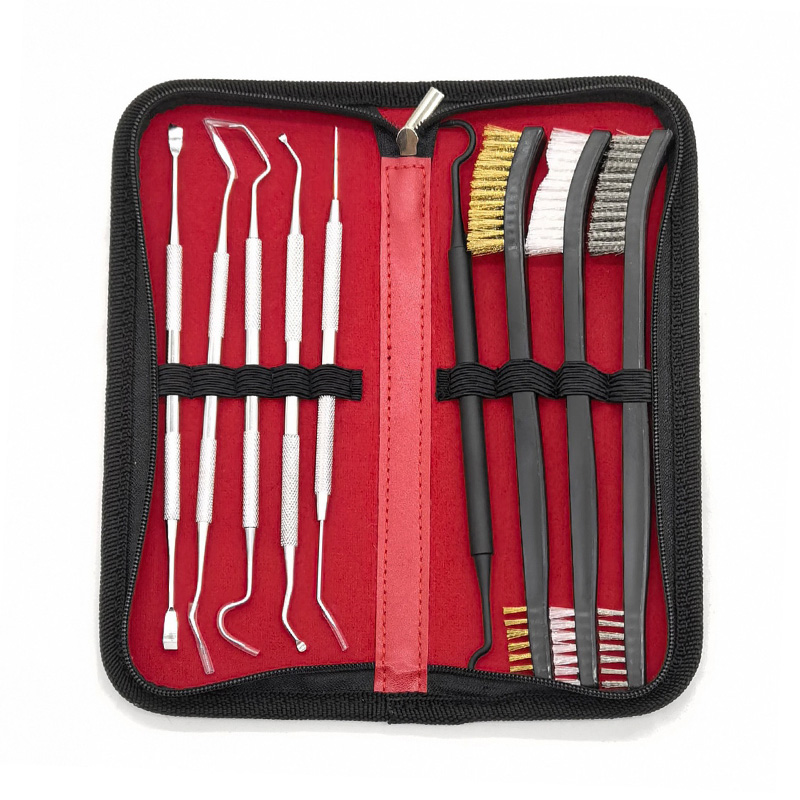
The 9-Inch Gun Brush Brass Steel Nylon Cleaning Kit is designed as a versatile manual cleaning solution for firearms, hardware components, molds, mechanical parts, and general industrial maintenance. It is available with brass wire, stainless steel wire, or nylon bristles, allowing users to select an appropriate cleaning level for different surfaces and contamination types. The long handle, wide brush head, and ergonomic plastic grip support efficient cleaning while helping users maintain control during repeated tasks.
This product is especially suitable for wholesalers, firearm accessory distributors, gunsmithing suppliers, hardware importers, private-label brands, and professional maintenance equipment sellers. It can be supplied as a single brush in bulk packaging or as a three-piece retail set, with blister card and color box packaging options available for different sales channels.
The 9-Inch Gun Brush Brass Steel Nylon Cleaning Kit is a strip-style hand brush developed for cleaning, polishing, light sanding, and rust removal. Its overall length is approximately 210 mm, while the brush head diameter is approximately 30 mm and the bristle length is approximately 83 mm. The relatively long structure gives the user additional reach, while the wide head helps cover a larger surface area with each stroke.
The brush handle is made from plastic and is supplied in black as a standard color. The handle is shaped to provide a stable grip during manual cleaning. Its extended design helps keep the user’s hand away from dirt, oil, cleaning residue, and sharp edges that may be present on the workpiece.
Depending on the selected version, the brush can contain brass or copper-colored wire, stainless steel wire, or nylon bristles. Each material has a different function. Brass wire is suitable for controlled removal of mild rust and residue. Stainless steel wire is intended for more aggressive cleaning of stubborn oxidation and hard debris. Nylon bristles provide a softer option for coated, painted, polished, or otherwise sensitive surfaces.
The three-material concept makes the product more flexible than a single-material brush. Instead of using one tool for every cleaning operation, users can select the brush that matches the surface condition. This helps reduce the risk of using an unnecessarily aggressive brush on a delicate area while ensuring that difficult contamination can still be removed efficiently when a stronger brush is required.
| Product type | 9-inch class manual cleaning brush |
| Primary applications | Firearm maintenance, hardware cleaning, rust removal, polishing, and industrial maintenance |
| Available bristle materials | Brass wire, stainless steel wire, and nylon |
| Approximate total length | 210 mm |
| Approximate brush head diameter | 30 mm |
| Approximate bristle length | 83 mm |
| Handle material | Plastic |
| Standard color | Black |
| Packaging formats | Bulk single-piece packaging, three-piece blister set, and three-piece color box set |
| Customization | OEM and private-label product, packaging, and logo customization |
Cleaning efficiency depends greatly on the interaction between the bristle material and the surface being cleaned. A brush that is too soft may not remove hardened residue, while a brush that is too hard may leave marks on a coated or finished component. Offering several bristle options allows distributors and end users to build a more complete maintenance system.
Brass wire provides a useful balance between cleaning strength and surface protection. It is generally less aggressive than stainless steel and is suitable for removing light oxidation, dirt, fouling, and residue from many metal components. For firearm maintenance, brass is commonly selected when the user wants effective brushing without applying the same level of abrasion associated with a harder steel wire brush.
The brass version is particularly appropriate for routine maintenance and inspection preparation. It can be used on areas such as receivers, external metal components, magazine-related parts, trigger components, and other locations where residue may collect. Users should always follow the equipment manufacturer’s maintenance instructions and test the brush on an inconspicuous area when surface compatibility is uncertain.
For wholesale customers, the brass option is often attractive because it meets the needs of general-purpose maintenance users. It can be sold as a standalone brush, included in a broader cleaning kit, or supplied as one component of a multi-brush retail set.
Stainless steel wire is the most aggressive option in this product range. It is intended for heavy rust, oxidation, hardened debris, and difficult contamination on suitable metal and hardware surfaces. The strong wire helps users work through buildup that may require more pressure or repeated brushing with a softer material.
This version is useful in workshops, industrial maintenance environments, hardware repair, mold maintenance, and selected firearm-related cleaning tasks. Because stainless steel wire is more aggressive, it should be used carefully and only on surfaces that can tolerate its cleaning action. It is not intended as a universal choice for every finished, coated, or sensitive component.
The availability of a stainless steel option gives distributors access to a professional-grade heavy-duty cleaning product without requiring a completely different handle format or packaging system. This creates opportunities for product-line consistency and simplifies assortment planning for importers and private-label sellers.
Nylon bristles offer a softer and more forgiving cleaning method. They are suitable for removing loose dirt, powder residue, dust, grease, and other contamination from coated, painted, polished, or sensitive surfaces. Nylon can also be useful when the user wants to clean without applying the same level of mechanical abrasion as a wire brush.
The nylon version can serve as a complementary product to the brass and stainless steel versions. For example, a user may begin with nylon to remove loose debris, switch to brass for moderate residue, and reserve stainless steel for suitable heavy-duty surfaces. This staged approach can help improve cleaning control and reduce unnecessary wear on components.
For retail packaging, including all three material options in a set creates a clear value proposition. Customers receive a practical selection of brushes for different maintenance tasks rather than a single tool with limited application range.
The approximate 210 mm total length gives the brush a useful working reach for manual maintenance. A longer handle can make it easier to access recessed areas, internal edges, grooves, and components positioned inside assemblies. It also gives the user more room to hold the tool away from contamination and sharp workpiece edges.
The brush head diameter is approximately 30 mm, with bristles measuring approximately 83 mm in length. This relatively broad cleaning area enables the brush to cover more surface with each stroke than a narrow detail brush. The design is suitable for both targeted cleaning and broader surface work, making it practical for firearm components as well as hardware and industrial parts.
A wide brush head is particularly useful when cleaning workpieces with accumulated dust, loose rust, grime, or residue across a larger area. It can help reduce the number of strokes required for preliminary cleaning and support more efficient workflow in maintenance environments where several components must be serviced in sequence.
The long-handle and wide-head combination also gives the product a distinct position between a small precision brush and a large industrial wire brush. It is compact enough for storage in a firearm maintenance kit or workshop drawer, yet substantial enough for repeated general-purpose cleaning.
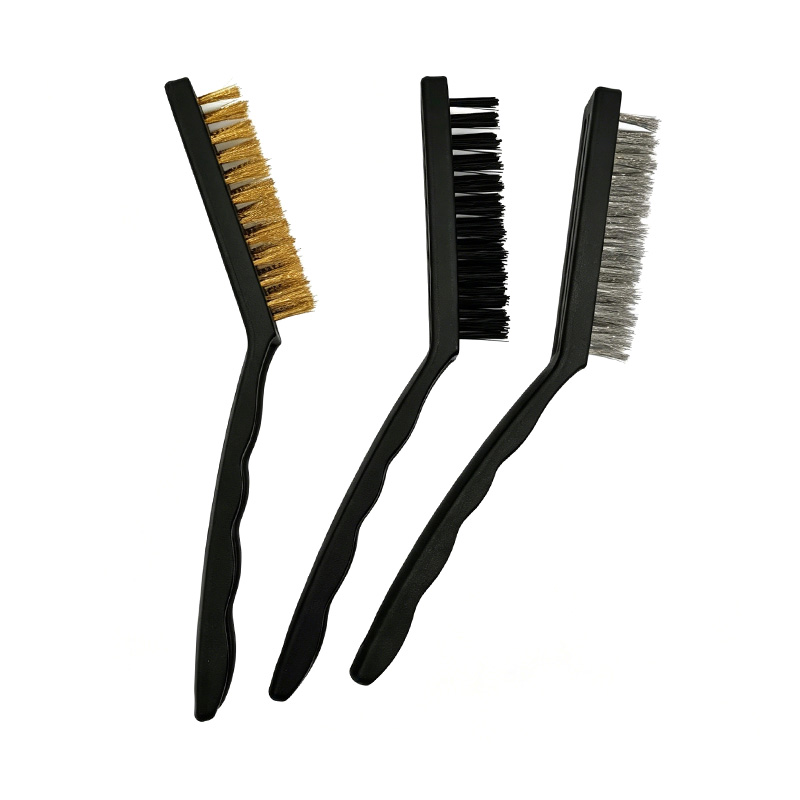
9-Inch Gun Brush Brass Steel Nylon Cleaning Kit
Manual cleaning can become tiring when the user must apply repeated strokes, maintain pressure, or work around irregular surfaces. The plastic handle is designed to provide a practical gripping area for routine use. Its shape supports control and helps reduce the discomfort associated with holding a short or poorly balanced brush.
An anti-slip handle surface is valuable when the user is working with gloves, oil, cleaning fluid, or dusty equipment. Maintaining a secure grip allows the user to guide the brush more accurately and reduces the likelihood of the tool slipping during a forceful stroke. This is especially important when cleaning around edges, recesses, or components that require controlled movement.
The handle also creates separation between the hand and the brush head. This distance can be useful when cleaning contaminated components, particularly during rust removal or heavy-duty workshop work. Although the brush is manually operated, its design supports a more professional working posture than a small household brush with a short grip.
Comfort and control are important selling points for professional users. Gunsmiths, technicians, workshop operators, and maintenance teams may use cleaning tools repeatedly throughout the day. A brush that is easier to grip and maneuver can contribute to more consistent cleaning practices and a better overall user experience.
The product is designed for use in firearm maintenance, where different components may require different levels of cleaning. The brass version can be used for many routine metal-cleaning tasks, while the nylon version is appropriate for more sensitive surfaces and general debris removal. The stainless steel version can be selected for suitable heavy-duty metal areas where stubborn oxidation or buildup is present.
Potential firearm-related applications include cleaning around the receiver, external barrel areas, magazine components, trigger-related parts, and other locations where dirt or residue may collect. The brush can also assist with cleaning tool surfaces, storage accessories, and maintenance benches.
Users should always unload and make safe any firearm before cleaning. The brush should be used in accordance with the firearm manufacturer’s instructions, and users should select the bristle type according to the material and finish of the part being cleaned. The product is a manual maintenance accessory and should not be considered a replacement for inspection, professional gunsmithing, or manufacturer-approved procedures.
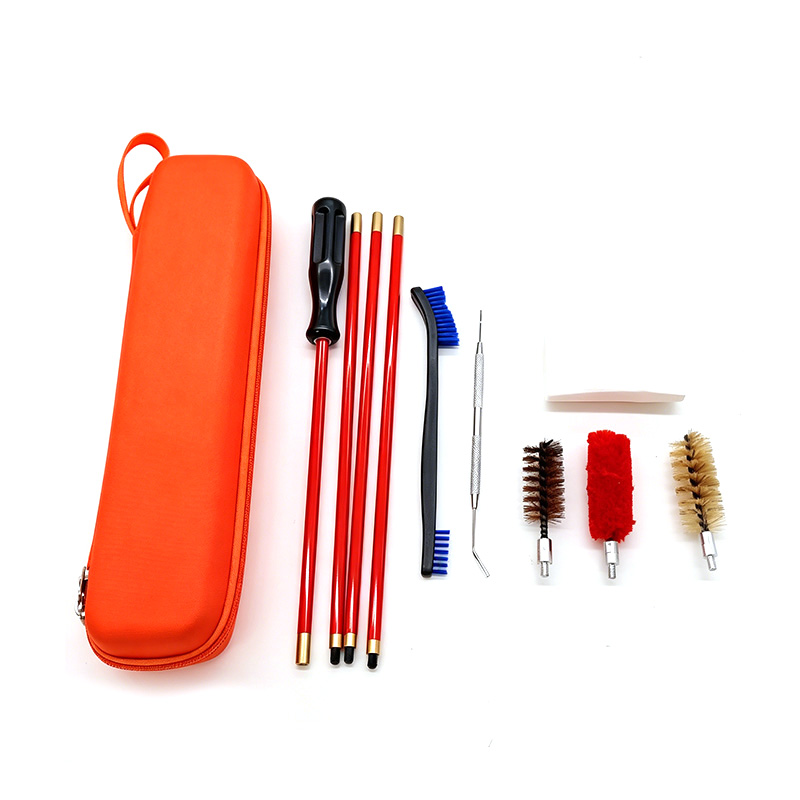
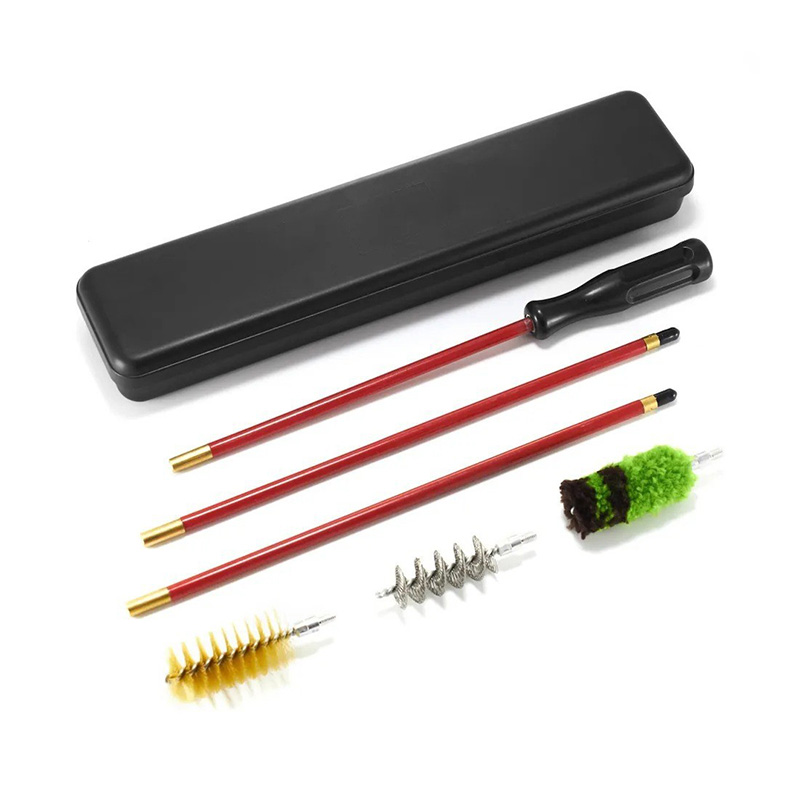
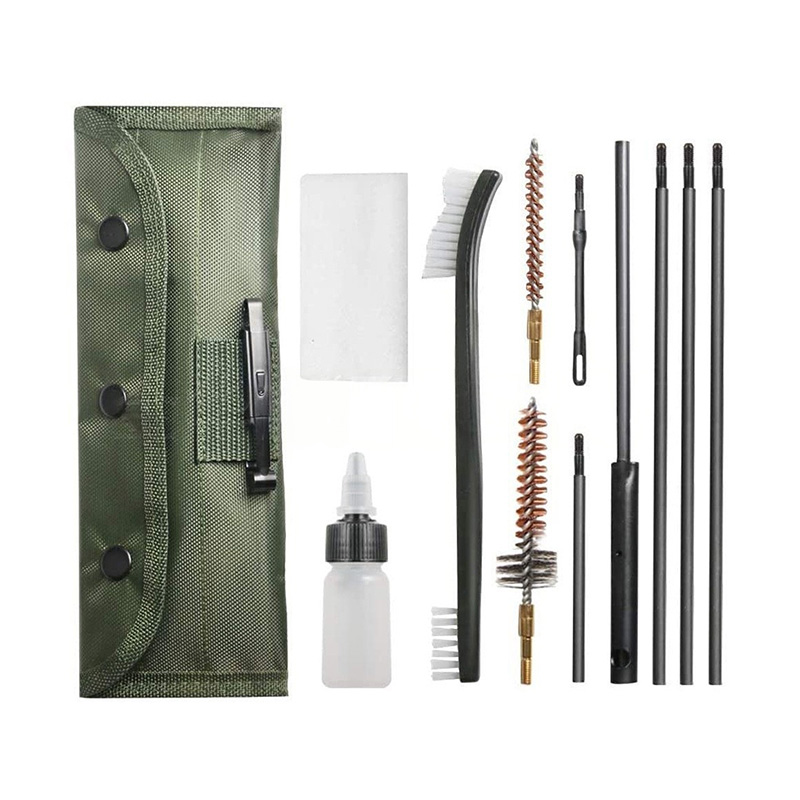
The brush’s length and wide head are useful for routine maintenance kits because they provide more coverage than a small toothbrush-style tool. At the same time, the product remains compact enough to store with cleaning patches, rods, mops, lubricants, and other firearm maintenance accessories.
Although the product is positioned within the firearm cleaning category, its construction supports a much wider range of applications. Hardware components, mechanical parts, molds, fixtures, tools, and workshop equipment often require manual cleaning to remove surface contamination and oxidation.
Brass and stainless steel versions can be used for selected metal hardware, depending on the required cleaning intensity. Nylon is useful for finished, painted, coated, or more sensitive surfaces where the objective is to remove dirt without aggressive abrasion. This application flexibility can help distributors reach multiple customer groups with one product family.
In mold and mechanical-part maintenance, brushes are often used to remove loose production residue, dust, light corrosion, and deposits from edges or recessed areas. The 83 mm bristle length offers useful contact with irregular surfaces, while the 210 mm handle provides additional reach and working clearance.
For industrial users, the brush can function as a hand tool for preliminary cleaning before inspection, lubrication, assembly, or repair. It can also be used during equipment servicing when a powered tool would be excessive, inconvenient, or unsuitable for a small component.
The product is not limited to a single cleaning method. Depending on the selected bristle material and user technique, it can support cleaning, polishing preparation, and light surface sanding. This versatility makes it appropriate for maintenance tool assortments that serve workshops, repair centers, and technical service providers.
One of the primary advantages of this product is the choice of three bristle materials. Many basic cleaning brushes are supplied with one fixed material, which forces the user to compromise between cleaning strength and surface protection. The available brass, stainless steel, and nylon versions offer a more adaptable solution.
Another advantage is the combination of a long handle and broad brush head. Small detail brushes may provide precision but require more strokes over larger areas. Large industrial brushes may offer high coverage but lack the compactness and control required for firearm or workshop maintenance. This product occupies a practical middle position for users who need reach, coverage, and maneuverability in one hand tool.
The product also supports several sales configurations. Bulk single-piece packaging is suitable for professional users, distributors, and industrial customers. Three-piece retail sets are useful for consumer-facing shelves and online listings because they present the product as a complete multi-material cleaning solution.
Private-label capability provides another competitive advantage. Importers and established brands can request customized logos, packaging, and product presentation while using the same basic manufacturing platform. This allows sellers to develop a branded maintenance accessory without investing in their own brush production equipment.
Stable factory production is important for wholesalers that need repeat orders. Consistency in dimensions, bristle selection, handle assembly, and packaging can make inventory planning easier and reduce variation between shipments. A supplier with experience in export production can also support the documentation and packaging expectations of international buyers.
| Comparison factor | Single-material basic brush | 9-inch multi-material brush range |
| Material selection | One fixed bristle type | Brass, stainless steel, or nylon options |
| Application range | Limited to one cleaning intensity | Suitable for gentle, standard, and heavy-duty cleaning tasks |
| Working reach | Often short or compact | Approximately 210 mm total length |
| Surface coverage | May require repeated passes | Approximately 30 mm brush head diameter |
| Retail flexibility | Usually sold as a single item | Bulk and three-piece set formats available |
| Branding options | Often limited | OEM and private-label support available |
The product is manufactured by Jinhua Tongshun Tool Factory, a China-based producer specializing in gun cleaning kits, barrel cleaning brushes, and related maintenance accessories. Established in 1999, the company has more than 26 years of experience in research and development, production, and sales.
Long-term specialization in cleaning tools provides an important foundation for product development. Brush performance depends on many details, including wire selection, bristle arrangement, handle molding, assembly accuracy, packaging protection, and inspection procedures. A factory focused on this product category can develop practical experience in managing these details across different product models.
The factory operates a modern production facility with semi-automatic and fully automated production systems. Automation can help improve manufacturing consistency by controlling repetitive processes such as component handling, assembly, and production flow. Semi-automatic operations also allow flexibility when producing different brush configurations, packaging formats, or customized orders.
For international customers, manufacturing capability is not only a question of equipment. It also includes production planning, raw-material coordination, quality management, order communication, packaging development, and shipment preparation. The factory’s integrated approach combines research and development, manufacturing, and sales support, helping buyers manage a complete sourcing process through one supplier.
The company’s products are exported to more than 50 countries and regions. International experience can help a supplier understand the different requirements of overseas distributors, including product labeling, retail packaging, carton preparation, order quantities, and communication across time zones and markets.
Consistency is especially important for cleaning brushes because users expect each replacement item to perform in the same general manner as the previous shipment. Differences in wire stiffness, bristle length, head dimensions, handle shape, or assembly quality can affect the product experience.
A factory production system with established processes can help control these variables. Standardized specifications for the 210 mm overall length, approximately 30 mm head diameter, and approximately 83 mm bristle length provide a clear basis for manufacturing and inspection. When buyers request customized specifications, these standards can also serve as a starting point for development discussions.
Production consistency benefits both wholesalers and end users. Distributors can maintain a stable product listing, while retailers can communicate specifications more confidently. Professional customers can also reorder the same product configuration for workshop or maintenance use.
Product development is an important part of the factory’s overall capability. The cleaning tool market includes many different requirements, from firearm maintenance and bore cleaning to hardware rust removal and industrial service work. A supplier with research and development experience can adapt handle designs, bristle combinations, packaging structures, and branding elements to meet specific market needs.
OEM and ODM support allows customers to participate in the development process. A buyer may request a different handle color, customized logo, adjusted packaging, altered bristle configuration, or a complete private-label set. The final feasibility depends on order requirements, specifications, and production evaluation, but the factory’s integrated structure provides a suitable foundation for this type of cooperation.
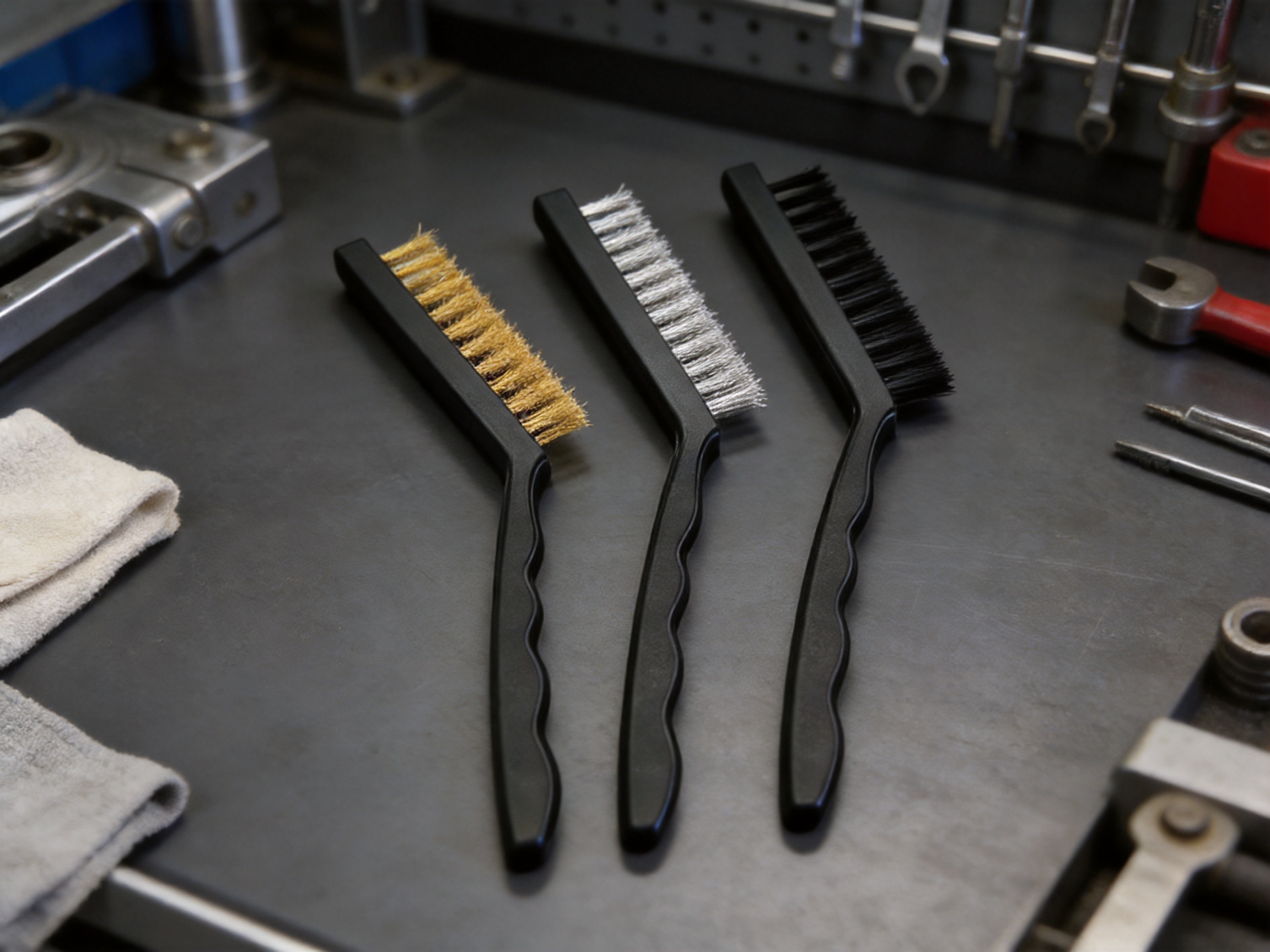
The product is suitable for companies seeking a ready-to-sell cleaning brush as well as brands developing a customized firearm maintenance range. OEM and private-label services can include product branding, packaging design, logo application, and retail presentation.
Bulk single-piece packaging is suitable for industrial customers, repair centers, firearm dealers, gunsmithing suppliers, and distributors that sell products individually or include them in larger kits. This format can help reduce unnecessary retail packaging and support efficient warehouse handling.
The three-piece blister pack is appropriate for consumer retail and online sales. A blister card allows the customer to view the product and understand that the set includes multiple brush options. It can also provide space for instructions, branding, usage guidance, and product specifications.
The color box version offers a more premium presentation for giftable products, specialty retailers, and private-label brands. Packaging can be adapted to support different brand identities and sales channels, subject to design confirmation and production requirements.
For online sellers, the product can be positioned as a multi-purpose firearm and hardware cleaning brush set. Search terms may include gun cleaning brush, brass brush, bronze-style brush, stainless steel wire brush, nylon cleaning brush, rust removal brush, workshop cleaning tool, and firearm maintenance accessory. Clear descriptions should explain the differences between the bristle materials so customers can select the correct configuration.
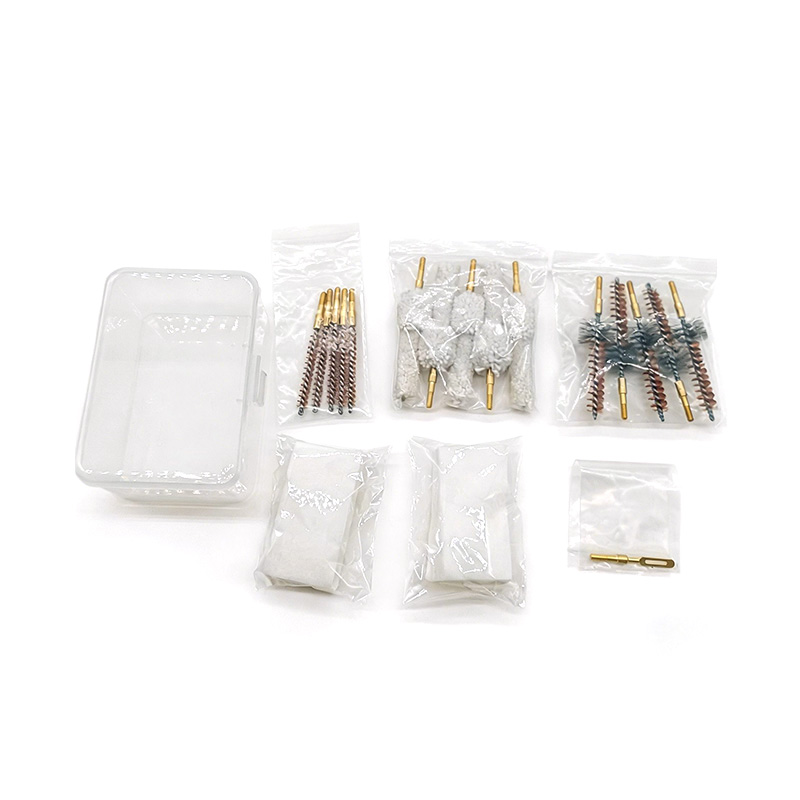
For distributors, the product can be combined with cleaning rods, bore mops, cotton patches, cleaning cloths, adapters, and other maintenance accessories. This creates opportunities to build complete cleaning kits for different firearm platforms and customer preferences.
Packaging plays an important role in the commercial success of a cleaning accessory. A well-designed package protects the brush during transportation, communicates the product’s main benefits, and helps the buyer understand the intended applications.
For the three-piece set, the package should clearly identify the brass, stainless steel, and nylon options. Simple visual distinctions can help customers select the correct brush quickly. The packaging may also explain that brass is intended for controlled cleaning, stainless steel for suitable heavy-duty surfaces, and nylon for softer cleaning and sensitive areas.
Bulk packaging is generally more practical for business-to-business supply. It can support pallet efficiency, warehouse organization, and cost-conscious purchasing. Buyers can select bulk packaging when the product will be repacked, added to a larger kit, or sold through a professional supply channel.
Retail packaging can be customized for regional markets. Information may include dimensions, material type, application guidance, safety reminders, brand details, and country-of-origin information. Buyers should confirm their specific labeling and packaging requirements before production.
Selecting the correct brush requires consideration of the surface material, finish, contamination type, and desired cleaning intensity. Users should not assume that the strongest brush is always the most effective choice. A controlled cleaning process often begins with the least aggressive suitable material.
Choose the brass wire version for general metal cleaning, light oxidation, and routine residue removal where moderate cleaning action is needed. Brass is a practical choice for users who want more strength than nylon but less aggression than stainless steel.
Choose the stainless steel version when cleaning suitable hard metal surfaces with heavy oxidation, stubborn debris, or difficult buildup. Use it with care and avoid applying it to delicate coatings, polished finishes, or materials that may be scratched by aggressive wire.
Choose the nylon version for loose dirt, dust, grease, powder residue, painted surfaces, coated components, and other areas where a gentler cleaning action is preferred. Nylon is also useful as a first-stage brush before moving to a stronger material if required.
Before use, inspect the brush and the workpiece. Confirm that the handle is secure, the bristles are appropriate for the surface, and the brush is free from contamination from a previous task. When working with firearms, ensure that the firearm is unloaded and safe according to the manufacturer’s instructions.
After use, remove loose debris from the brush and store it in a dry location. Separating brushes used for different materials or applications can help avoid transferring abrasive particles between surfaces. Replace a brush when the handle, wire, or bristles become excessively worn or damaged.
Professional users often value reliability, repeatability, and practical efficiency more than decorative features. This brush addresses those needs through a functional design that supports frequent manual cleaning.
Gunsmiths can use different material versions for different components and cleaning stages. Technicians can keep the brush in a tool case or service kit. Maintenance teams can order bulk quantities for routine workshop use. Hardware distributors can offer the product to customers who need a compact but capable rust removal tool.
The wide-head format can reduce cleaning time during preliminary surface work. The long handle can make it easier to access recessed areas while keeping the user’s hand away from the work surface. The material options allow professional users to manage cleaning intensity more precisely.
For procurement departments, the availability of several configurations from one manufacturer can simplify sourcing. Instead of purchasing a separate handle style or packaging system for each brush material, buyers can develop a coordinated product range based on a consistent design platform.
International distributors need products that are easy to explain, adaptable to local markets, and supported by reliable production. The 9-inch multi-material brush range offers clear commercial benefits in each of these areas.
Its applications are easy to communicate: firearm maintenance, hardware cleaning, rust removal, polishing preparation, and industrial maintenance. The three material options provide an understandable selling point. The packaging formats support both professional bulk sales and consumer retail. OEM and private-label options allow distributors to build brand identity.
The company’s export experience and sales coverage across more than 50 countries and regions provide a foundation for international cooperation. Buyers can discuss product specifications, packaging, branding, and order planning with a factory accustomed to overseas business.
European and other international markets may require careful attention to packaging language, labeling, documentation, and product presentation. Buyers should provide their requirements at the quotation and sample stages so that the factory can evaluate them before mass production.
A brush is one part of a complete maintenance system. It can be used alongside cleaning rods, adapters, bore mops, patches, cotton cloths, lubricants, and storage accessories. Each item performs a different role, and the brush is particularly useful for loosening surface contamination before it is wiped or flushed away.
For firearm maintenance, a user may use a nylon brush to remove loose debris, a brass brush for controlled cleaning of suitable metal areas, and cotton patches or cloths to collect loosened residue. A stainless steel brush may be reserved for appropriate heavy-duty hardware or severe oxidation. This sequence demonstrates why a three-piece set can offer practical value.
In workshop maintenance, the brush can be used before inspection or repair. Removing loose rust and dirt may make cracks, wear, corrosion, and surface defects easier to observe. The brush can also be used during cleaning of molds, fixtures, and mechanical components before applying lubricant or preparing parts for reassembly.
Because the product supports multiple applications, it can be used as a standalone tool or as part of a broader kit. This gives sellers flexibility in product assortment and enables them to target both specialist firearm customers and general hardware users.
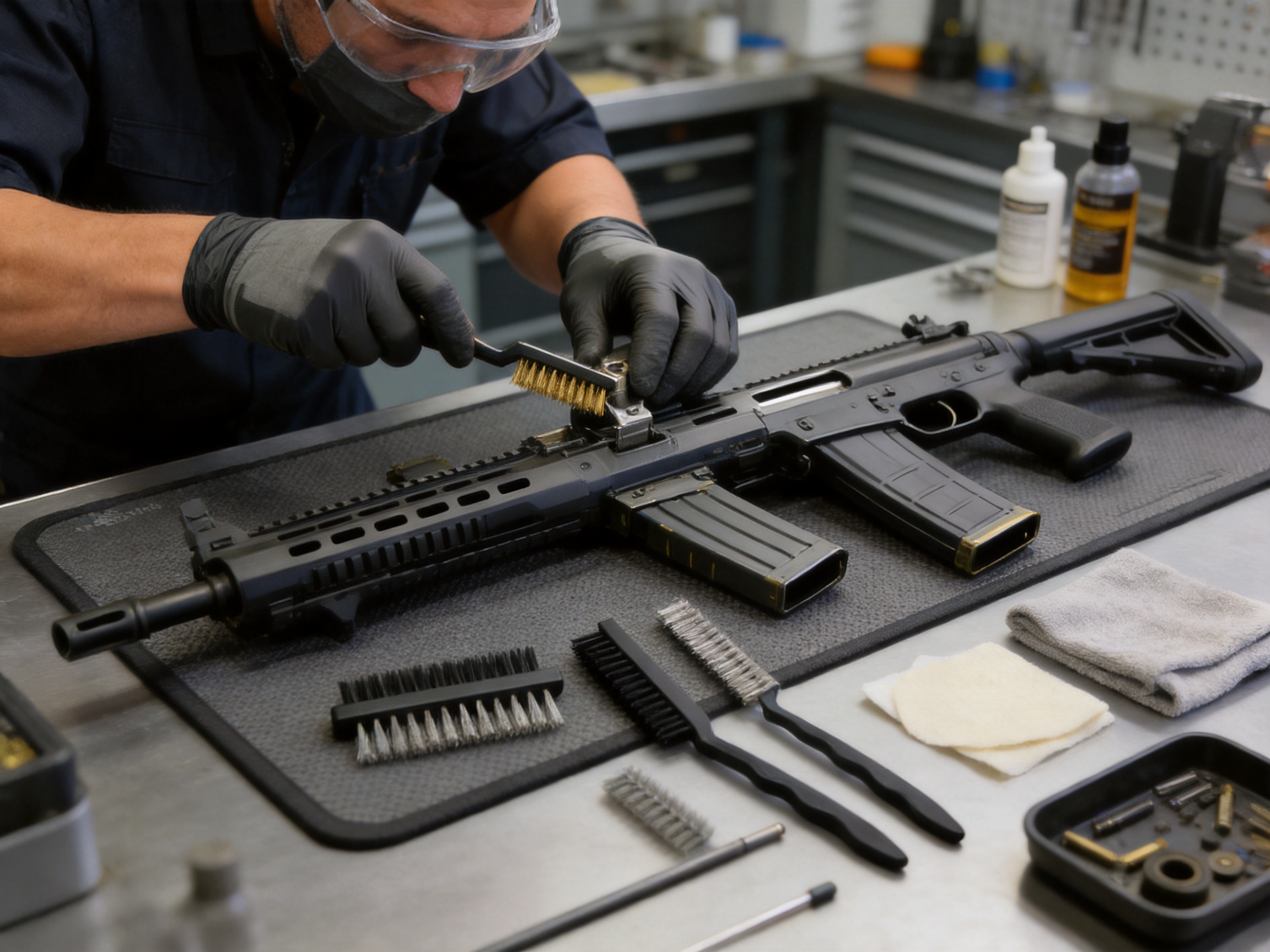
For firearm accessory retailers, the product can be positioned as a professional multi-material brush set for routine cleaning and maintenance. The key message should focus on choosing the appropriate bristle type for the surface and cleaning requirement.
For hardware and industrial suppliers, the product can be positioned as a long-handle rust removal and surface cleaning brush. The stainless steel version may appeal to customers working with heavy oxidation, while brass and nylon versions can serve lighter or more sensitive applications.
For private-label brands, the product offers an opportunity to create a coordinated cleaning accessory line. A brand can use one handle design across several bristle configurations, then extend the range with bore mops, patches, cleaning rods, and other accessories.
For online marketplaces, product pages should include accurate dimensions, material information, packaging details, and appropriate usage guidance. Clear images and comparison charts can help customers understand the difference between brass, stainless steel, and nylon. Product listings should avoid claiming that one brush is suitable for every surface.
The product is available with brass wire, stainless steel wire, or nylon bristles. Brass is intended for moderate and controlled cleaning, stainless steel is intended for suitable heavy-duty surfaces, and nylon is intended for gentler cleaning of sensitive or finished surfaces.
The stated total length is approximately 210 mm, commonly described as a 9-inch class brush. Actual measurements may vary slightly according to production tolerances and the selected configuration.
The brush head diameter is approximately 30 mm. The bristle length is approximately 83 mm, providing a relatively broad working area for general surface cleaning.
Yes. The brush is designed for firearm maintenance applications, including suitable receiver, barrel-related, magazine, trigger-related, and external component cleaning tasks. Users must unload and make the firearm safe before cleaning and should select the bristle type according to the surface and the firearm manufacturer’s instructions.
No. Stainless steel is the most aggressive bristle option and should only be used on suitable hard surfaces where its cleaning action is appropriate. It should not be used automatically on delicate coatings, polished finishes, or sensitive components. Brass or nylon may be more appropriate for many routine firearm maintenance tasks.
Nylon is generally the preferred option among the three versions for coated, painted, polished, or sensitive surfaces because it provides a softer cleaning action. Users should still test the brush on an inconspicuous area when surface compatibility is uncertain.
Both formats are available. Buyers can request single-piece bulk packaging or three-piece retail sets. The three-piece set can include the brass, stainless steel, and nylon versions, subject to final configuration confirmation.
Available formats include bulk packaging, blister card packaging with an insert, and colored box packaging. OEM and private-label packaging can be discussed according to the buyer’s brand, market, and order requirements.
OEM and ODM support is available for customized products, packaging, and logos. Specific customization options depend on the required design, order quantity, production process, and factory evaluation.
Potential buyers include firearm accessory distributors, gunsmithing suppliers, hardware importers, industrial maintenance suppliers, private-label brands, online retailers, and companies assembling complete cleaning kits.
Yes. It can be combined with cleaning rods, adapters, bore mops, cleaning patches, cotton cloths, and other firearm maintenance accessories. The brush can serve as the surface-cleaning component of a more comprehensive kit.
The product is manufactured in Jinhua, Zhejiang, China, by a factory specializing in gun cleaning kits, barrel cleaning brushes, and related cleaning accessories.
The manufacturer was established in 1999 and has more than 26 years of experience in research and development, production, and sales.
Yes. The company supplies products for international markets and reports exports to more than 50 countries and regions. Buyers should confirm destination-specific packaging, labeling, documentation, and shipping requirements during the quotation process.
Remove loose residue from the bristles, keep the brush dry, and store it away from unnecessary moisture and contamination. Brushes used for different surfaces should be kept separate when possible. Replace the brush if the handle is damaged or the bristles are excessively worn.
The 9-Inch Gun Brush Brass Steel Nylon Cleaning Kit is a versatile manual cleaning solution developed for firearm maintenance, hardware care, rust removal, and industrial applications. Its three bristle material options allow users to match cleaning strength to the surface, while its approximately 210 mm length, 30 mm brush head diameter, and 83 mm bristle length provide useful reach and coverage.
Compared with a basic single-material brush, this product offers greater application flexibility, more practical packaging options, and stronger potential for professional and private-label distribution. The brass, stainless steel, and nylon versions can be sold individually or combined into a three-piece retail set, giving wholesalers and retailers several ways to serve different customer requirements.
The product is supported by a manufacturer with a history dating back to 1999, modern semi-automatic and fully automated production systems, international export experience, and OEM and ODM capabilities. These strengths make it suitable for distributors seeking a stable supply of firearm and hardware cleaning accessories.
For buyers who need a compact, adaptable, and commercially flexible brush, this 9-inch class design provides a practical foundation for both standalone sales and complete cleaning kit development. Its combination of material choice, ergonomic handling, wide-head coverage, packaging flexibility, and factory support makes it a strong option for professional maintenance markets and international wholesale programs.
1. Manufacturer product specifications for the 9-Inch Gun Brush Brass Steel Nylon Cleaning Kit, including dimensions, materials, packaging formats, and applications.
2. Manufacturer company information concerning production history, OEM and ODM services, export markets, and manufacturing systems.
3. General firearm maintenance principles concerning safe firearm handling, surface compatibility, and the selection of appropriate cleaning tools.
4. General industrial maintenance practices for manual brush cleaning, rust removal, surface preparation, and component care.
5. General materials information concerning the relative applications of brass wire, stainless steel wire, and nylon bristles in manual cleaning tools.