English
 русский
 Español
 عربى
عربى
HUNTACE HUNTACE HUNTACE HUNTACE HUNTACE
HUNTACE HUNTACE HUNTACE HUNTACE

Bronze and brass bore brushes represent one of the most established and essential categories within the gun cleaning supply market. According to industry data, the global gun cleaning supply market was valued at approximately USD 775.27 million in 2025 and is projected to reach USD 1,420.27 million by 2032, reflecting a compound annual growth rate (CAGR) of 9.03%. Brushes and rods—including brass, nylon, and steel variants—constitute a core product segment within this market, alongside chemical formulations and cleaning kits.
The market is undergoing a broader transformation from standalone cleaning products toward integrated maintenance ecosystems, with buyers demanding safer chemistry, easier workflows, and proven firearm compatibility. Within this evolving landscape, bronze and brass bore brushes remain indispensable tools for effective fouling removal.
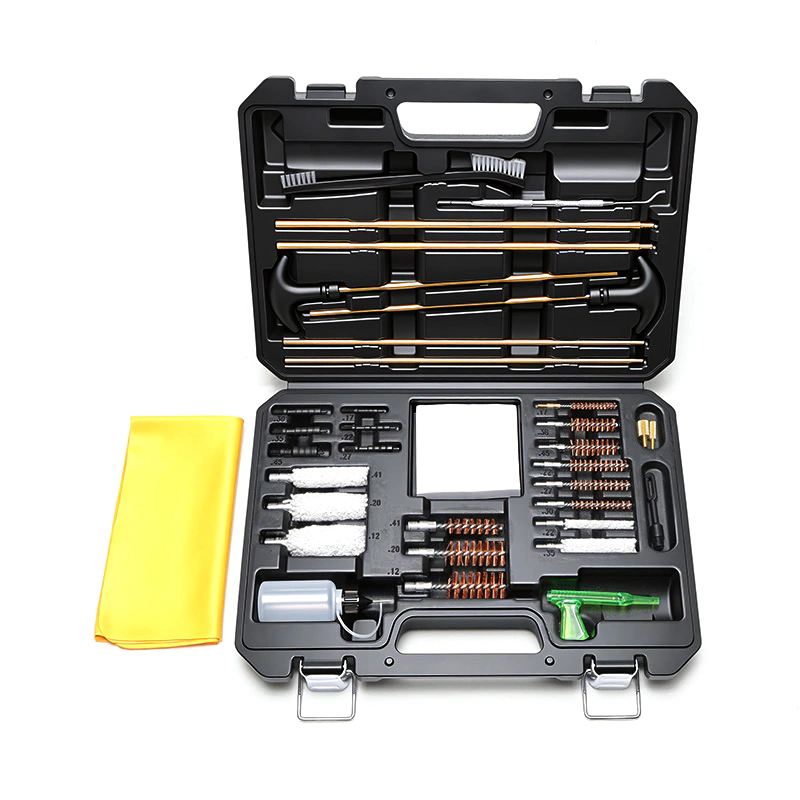
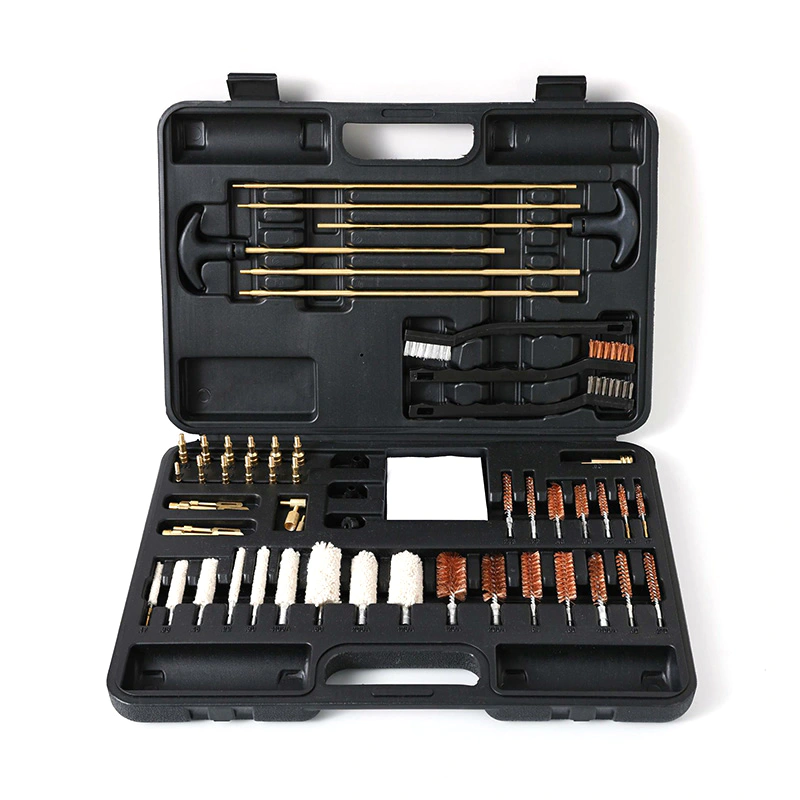
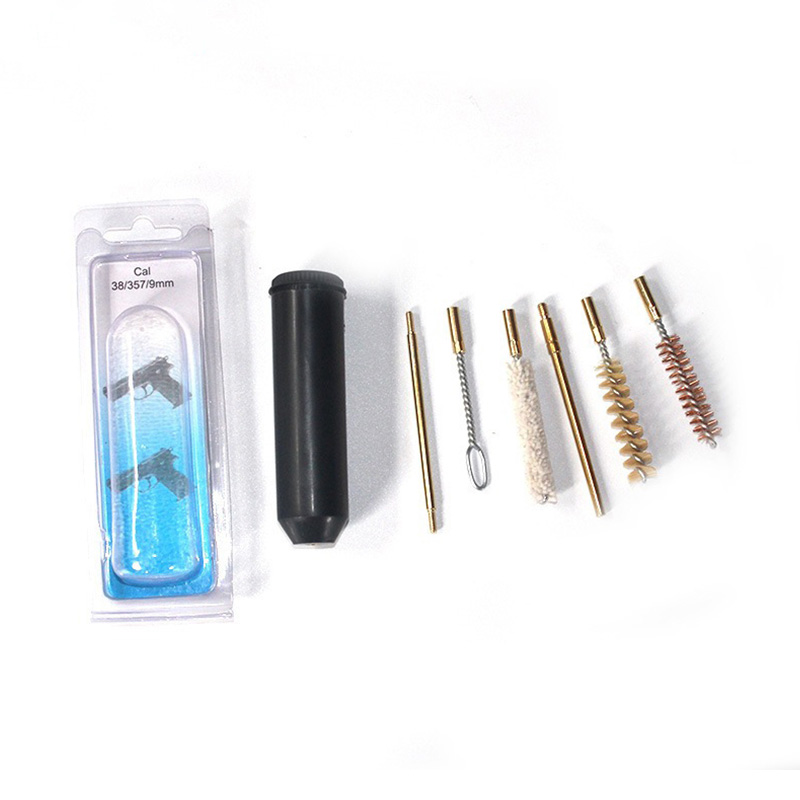
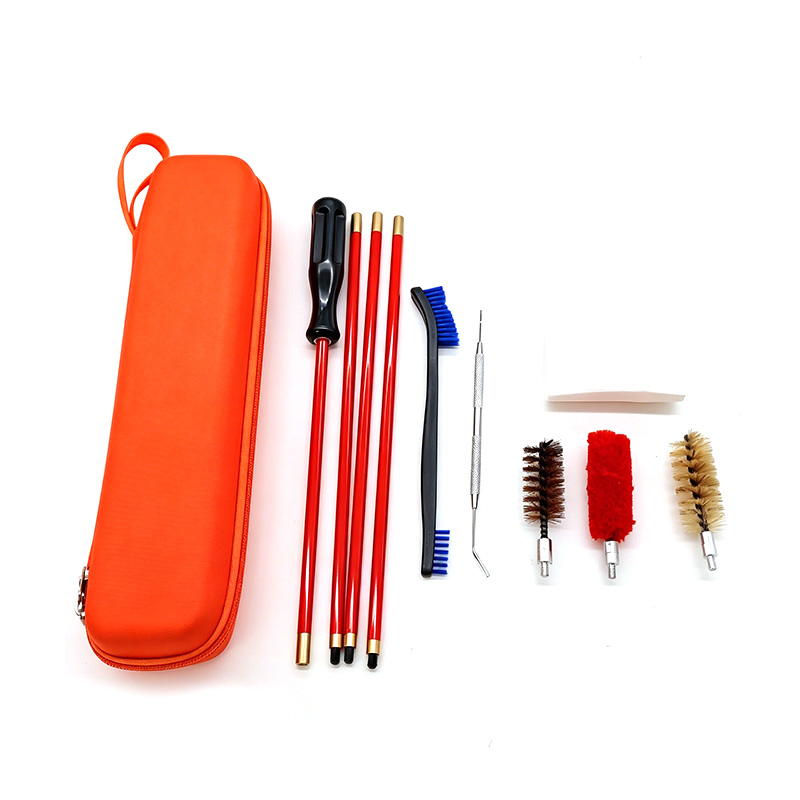
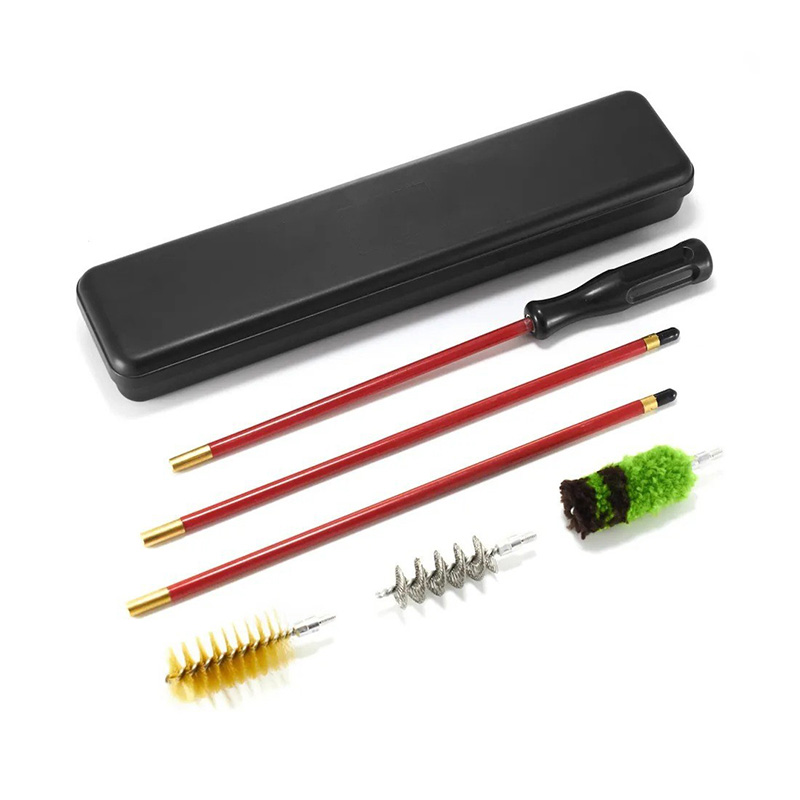
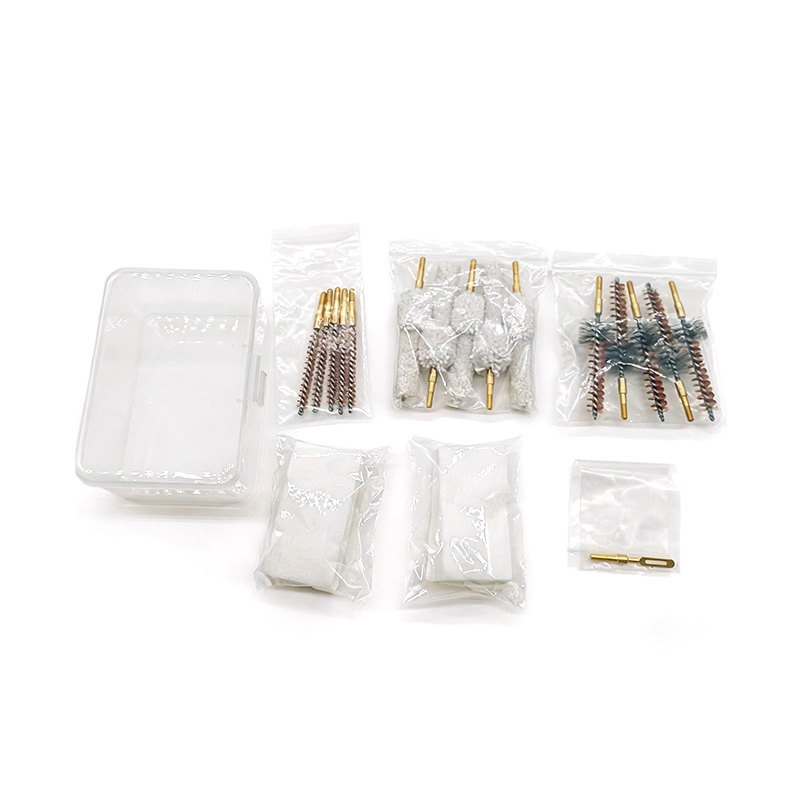
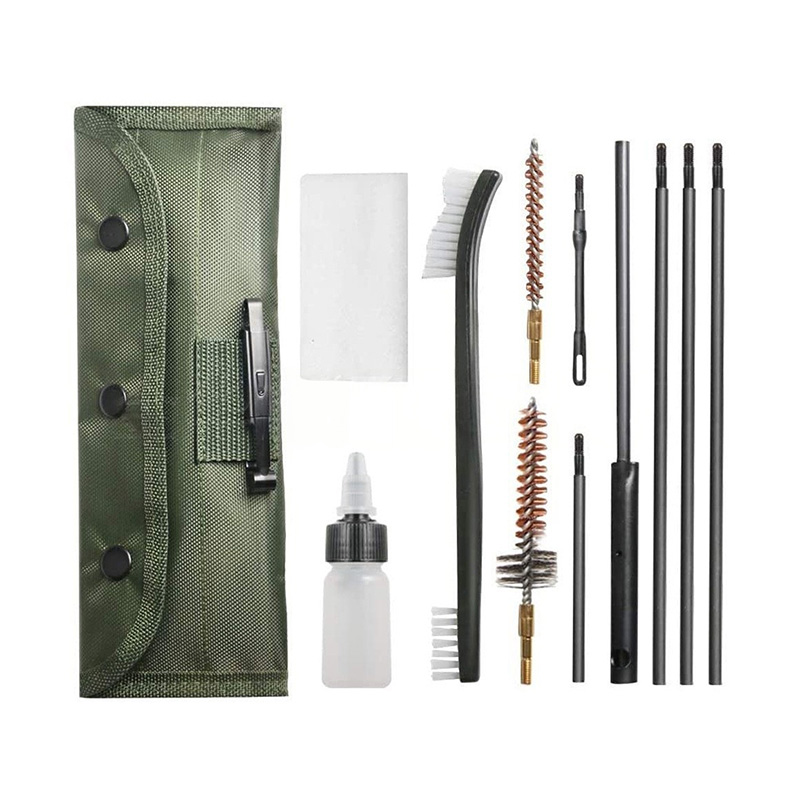
Bronze and brass bore brushes are professional firearm cleaning components designed to remove carbon fouling, copper deposits, lead residue, and other contaminants from firearm bores. Available in phosphor bronze and brass wire options, these brushes provide efficient cleaning while remaining safe for barrel surfaces. Their corrosion-resistant construction and controlled hardness ensure effective maintenance without damaging rifling or bore integrity.
It is worth noting that many brushes marketed as "brass" or "copper" are actually manufactured from phosphor bronze. Phosphor bronze is a copper alloy containing tin and phosphorus, offering superior strength, corrosion resistance, and chemical stability compared to standard brass. The material is considerably softer than barrel steel, making it non-harmful to the bore. Nylon brushes, by contrast, do not clean as efficiently as phosphor bronze brushes.
1. Bore-Safe Cleaning
Phosphor bronze and brass are softer than barrel steel, enabling thorough cleaning without scratching or accelerating barrel wear. Some manufacturers further enhance safety through innovative designs—Pro Shot, for example, uses a unique brass core in their bronze bore brushes, ensuring that even if the core touches the barrel bore or muzzle crown, it will not cause damage since brass is also softer than steel.
2. Efficient Fouling Removal
High-density bristles reach deep into rifling grooves to remove carbon, copper, and lead buildup more effectively than patches or nylon brushes. Carbon buildup degrades bore performance and insulates copper fouling, making thorough brushing essential for maintaining accuracy. Bronze bristles are tough on copper, carbon, and lead fouling while holding up against corrosion and solvents.
3. Durable Construction
Reinforced twisted-wire cores provide excellent bristle retention and long service life, making them suitable for repeated maintenance cycles. The wound phosphor-bronze bristles are stiff enough to scrub out carbon and copper fouling, yet soft enough to lift deposits without scoring the rifling.
4. Visual Wear Indicators
Brushes are designed to wear out over time—and that is intentional. As one manufacturer notes, "You want the brush to wear out, not the rifle barrel bore". As a brush is used, the bristles gradually wear and the fit becomes looser, signaling that it is time for replacement. Worn brushes can sometimes be repurposed for smaller calibers or for patched bore cleaning with bore paste.
Bronze and brass bore brushes are used across the full spectrum of firearm maintenance:
Pistol, rifle, and shotgun bores from .17 to 12 Gauge
Removing carbon deposits from chambers, gas systems, muzzle devices, and suppressors
Military and law enforcement units with rigorous maintenance protocols
Shooting ranges maintaining rental fleets and facility firearms
Hunters and sport shooters who depend on consistent accuracy
Commercial firearm maintenance and gunsmithing operations
As one reviewer noted, a bore brush is essential for dislodging debris that accumulates within the bore over time, negatively impacting accuracy and potentially causing corrosion.
Industry experts emphasize that insufficient brushing with a bronze brush is a common flaw in rifle barrel cleaning practices. Effective brushing requires:
Using a fresh brush—worn brushes lose their effectiveness
Applying adequate stroke count—typically 8-10 strokes with solvent
Using a bore guide to protect the chamber and crown
Following with patch cleaning to remove loosened debris
Bore brushes require regular maintenance to perform effectively:
Clean after each use with hot soapy water or bore cleaner
Inspect regularly for signs of wear or bristle loss
Replace when worn—a brush that has lost its snug fit will not clean effectively
Consider multiple brushes for different calibers and applications
For firearm cleaning brands, distributors, and wholesalers, OEM and ODM services are available for bronze and brass bore brushes. Customization options include:
Custom calibers and brush dimensions
Material options (phosphor bronze, brass wire specifications)
Packaging (bulk, retail-ready, private label)
Private labeling with custom branding
Suppliers with OEM/ODM capabilities typically offer customization to meet various requirements and serve major markets including the United States and Europe.