English
 русский
 Español
 عربى
عربى
HUNTACE HUNTACE HUNTACE HUNTACE HUNTACE
HUNTACE HUNTACE HUNTACE HUNTACE

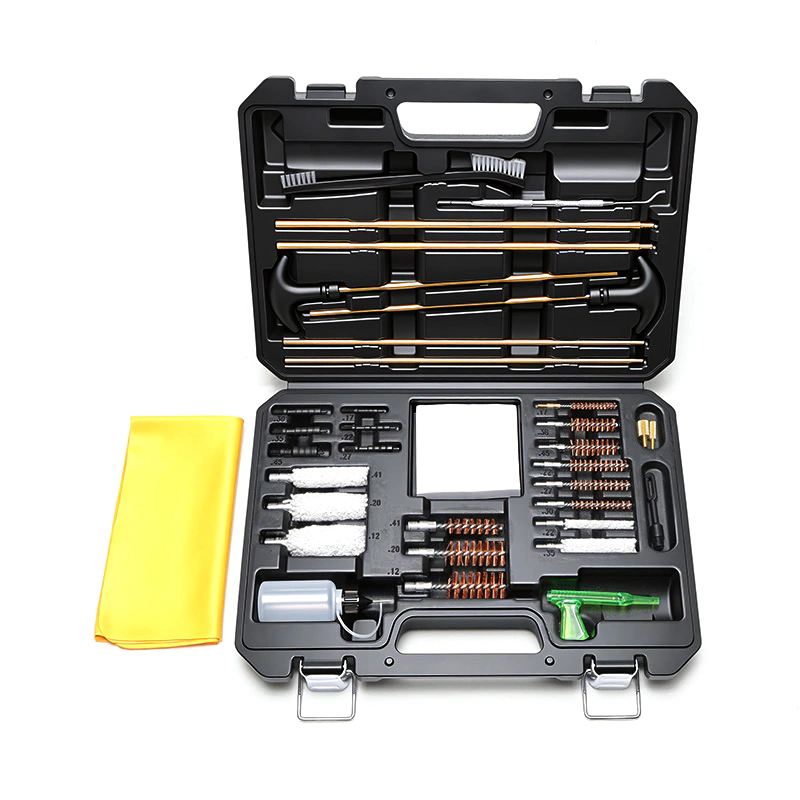
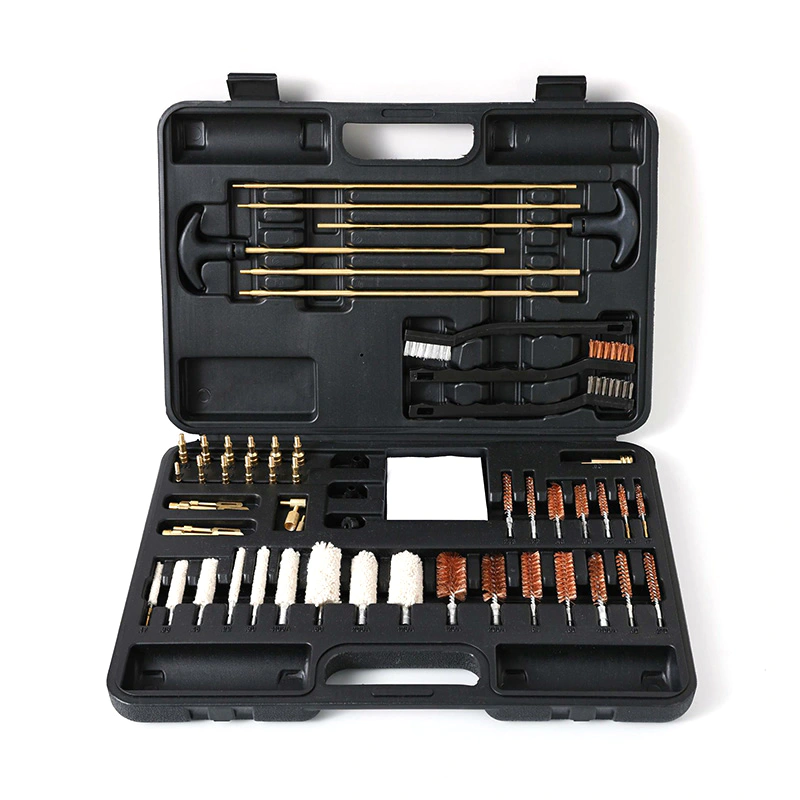
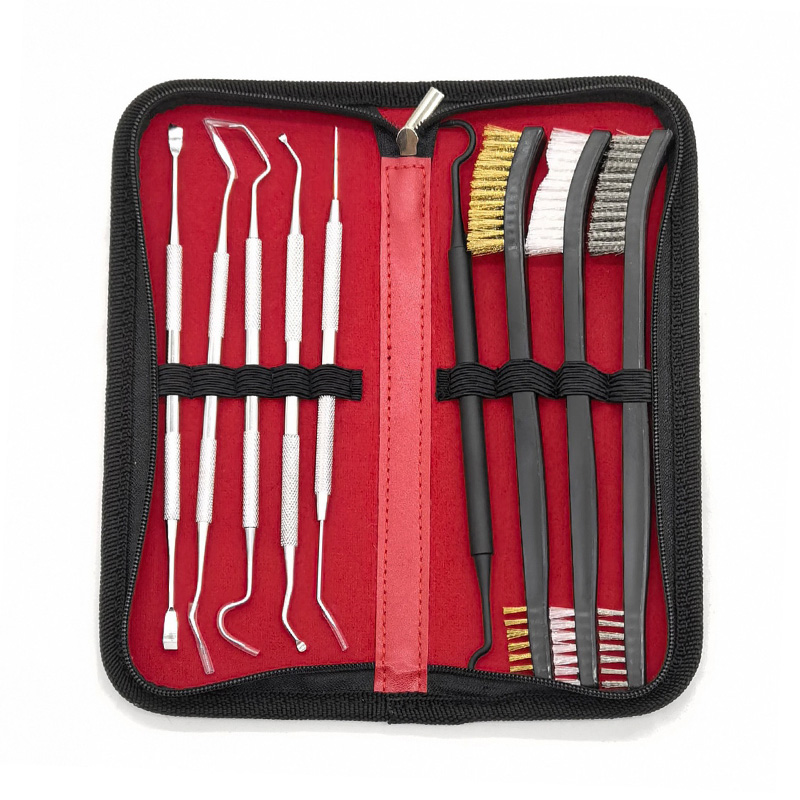
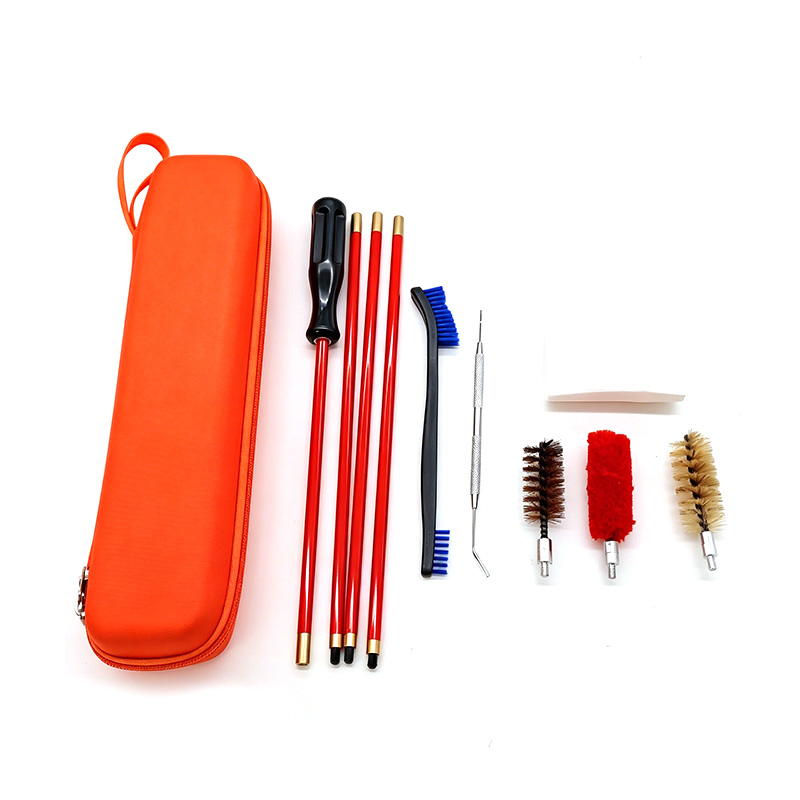
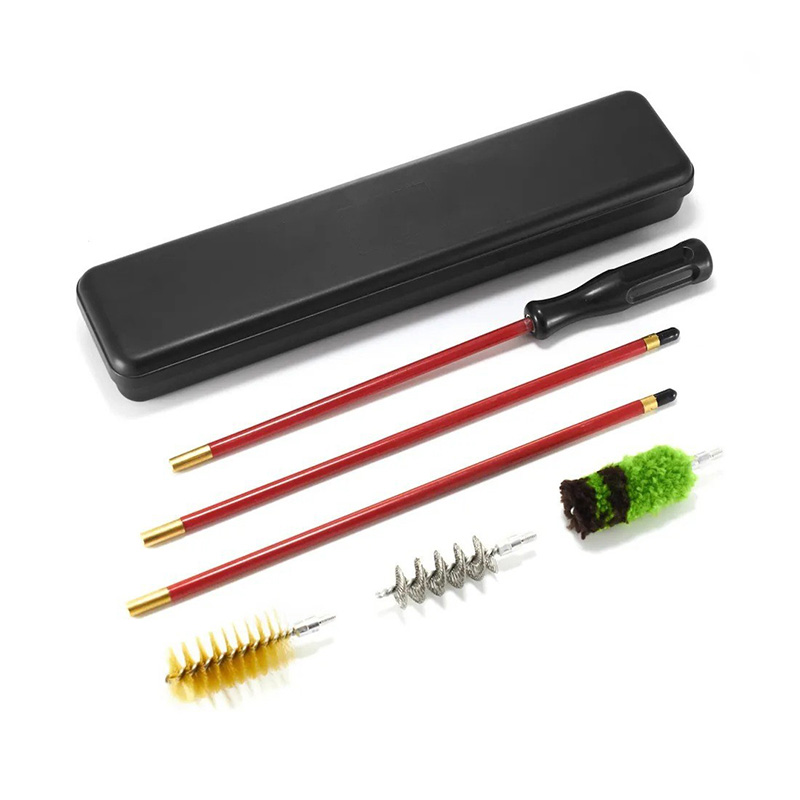
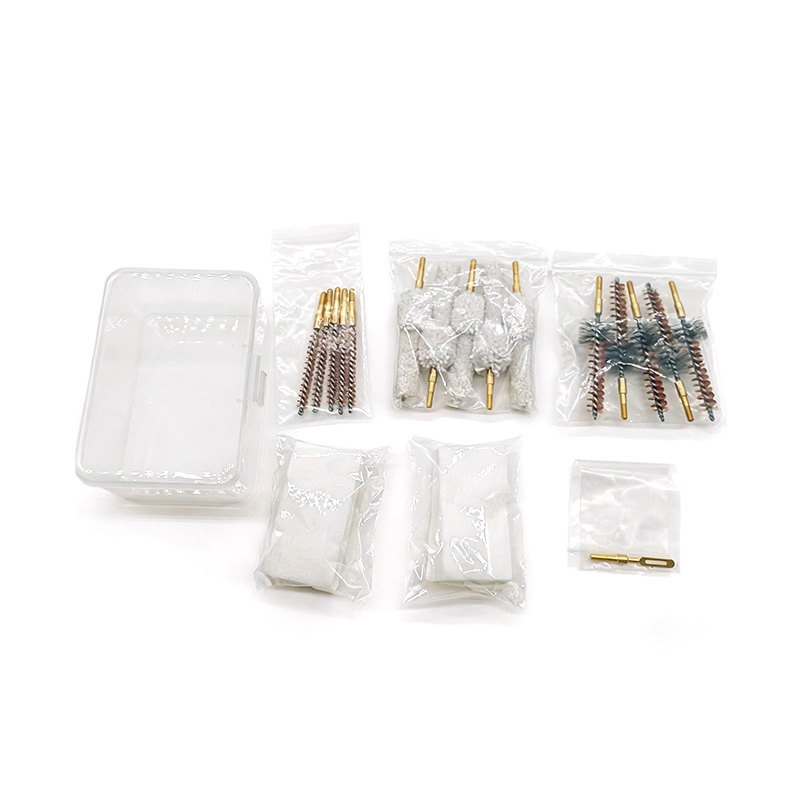
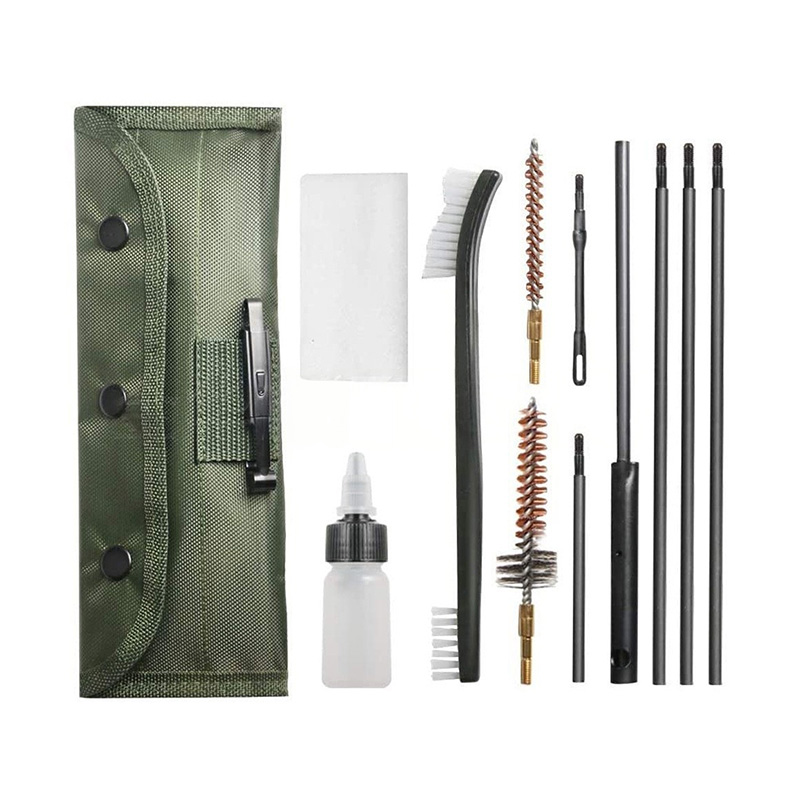
A well-designed gun cleaning kit provides the essential tools and chemicals needed to maintain firearm performance and safety. Standard kits typically include:
Cleaning rods or bore snakes for barrel cleaning
Phosphor bronze brushes in various calibers
Brass or carbon fiber rods (lighter and less prone to scratching than steel)
Jags and cleaning patches for applying solvents and removing residue
Bore solvents to dissolve carbon, copper, and lead fouling
Lubricating oil for protecting moving parts
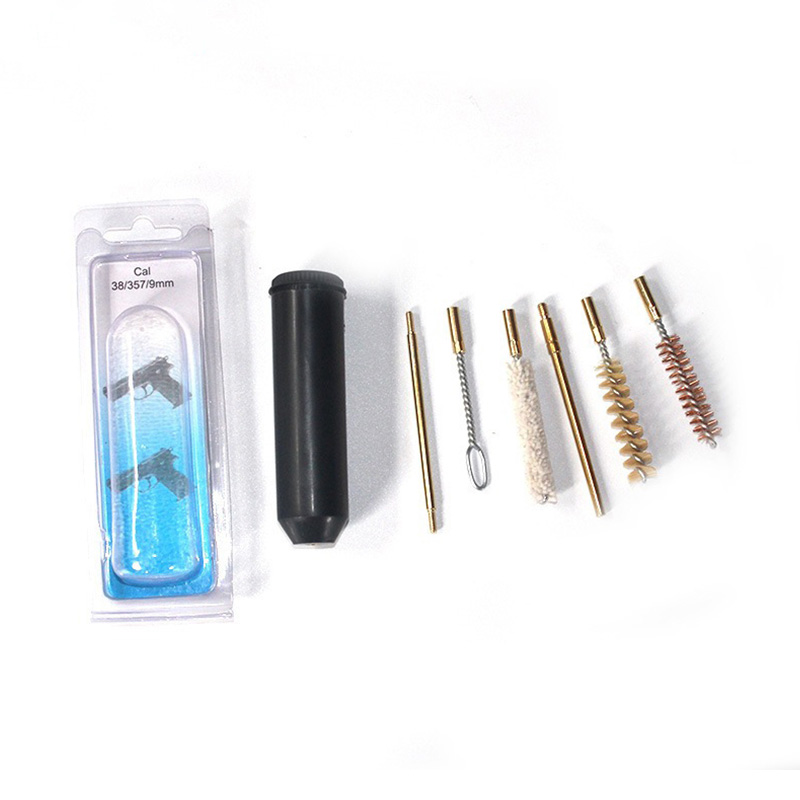
Caliber-specific adapters for proper fit
Kits are available for common calibers including .22, 9mm, .308, and 12 Gauge, as well as universal multi-caliber kits designed to serve multiple firearm platforms.
Proper cleaning frequency depends on usage patterns. For regular shooters, industry recommendations suggest cleaning every 250 rounds for most calibers, and every 125 rounds for .22LR ammunition, which tends to produce more fouling. For casual or non-regular shooters, cleaning immediately after each use is advised, with careful drying before storage.
Defensive firearms that see infrequent use should receive a deep clean and inspection approximately once a month. Regular cleaning serves multiple critical functions:
Improves accuracy by removing carbon fouling, copper deposits, and lead residue from the barrel
Enhances reliability by reducing the risk of misfires and malfunctions
Extends service life by preventing wear and corrosion
Enables early inspection of critical components to identify potential safety issues before they escalate
Two primary methods dominate firearm barrel cleaning: bore snakes and traditional cleaning rods. Each has distinct advantages depending on the use case.
Cleaning rods are the preferred choice when absolute precision is required. They remove more fouling and foreign matter from the barrel than a bore snake can, making them ideal for thorough, bench-top cleaning. However, rods require careful handling — if used improperly, they can damage the muzzle or crown, which may adversely affect accuracy.
Bore snakes (pull-through cleaning ropes) excel in field conditions where convenience and speed are priorities. They carry a lower risk of damaging the firearm and are significantly faster to use. According to testing by the U.S. Army Marksmanship Unit, a bore snake can effectively remove surface fouling, but it cannot fully replace a thorough cleaning with a proper rod and brushes. In one documented test, a bore snake removed visible fouling on the first pass, but subsequent passes showed no further improvement; only a bronze brush and wet patches were able to completely eliminate stubborn fouling at the throat.
The practical takeaway: bore snakes are excellent for field maintenance and quick cleanings, while cleaning rods remain essential for deep, precision cleaning at the workbench.
The gun cleaning kit industry has evolved significantly in recent years. Manufacturers now offer kits constructed with durable brass or carbon fiber rods and phosphor bronze brushes to ensure effective cleaning without damaging barrel rifling.
OEM and ODM services are increasingly available for distributors and tactical brands, including:
Custom tool combinations tailored to specific market segments
Material options (brass, carbon fiber, polymer components)
Packaging choices (hard cases, carry bags, compact kits)
Private labeling for global distribution
China has emerged as a dominant force in rifle cleaning kit production, supported by specialized industrial clusters offering advantages in materials, precision engineering, logistics, and compliance.