English
 русский
 Español
 عربى

HUNTACE HUNTACE HUNTACE HUNTACE HUNTACE
HUNTACE HUNTACE HUNTACE HUNTACE

Effective firearm maintenance depends on more than choosing a good solvent or a high-quality patch. The connection between the cleaning rod and the cleaning accessory also plays an important role. A poorly matched guide, rough fitting, or incorrectly sized tip can make cleaning less efficient and may increase the risk of uneven contact with the bore. The Gun Cleaning Accessories Spike Tip Adapter Parts Tool Kit is designed to address this often-overlooked part of the cleaning process.
This precision-engineered accessory guides patches, cotton mops, and brushes through the barrel while providing a secure connection to compatible cleaning rods. Its tapered spike-tip structure helps accessories enter the bore smoothly, and its centering groove supports more consistent alignment during maintenance. The product is available in brass and nylon material options, with a broad range of caliber sizes and standard thread specifications intended for widespread compatibility.
Designed for rifles, pistols, and shotguns, the adapter is suitable for individual firearm owners, professional maintenance suppliers, shooting accessory distributors, gun cleaning kit manufacturers, and OEM or ODM buyers. Its combination of material choice, caliber coverage, precision machining, customization capability, and scalable factory production makes it a practical component for both retail and wholesale applications.
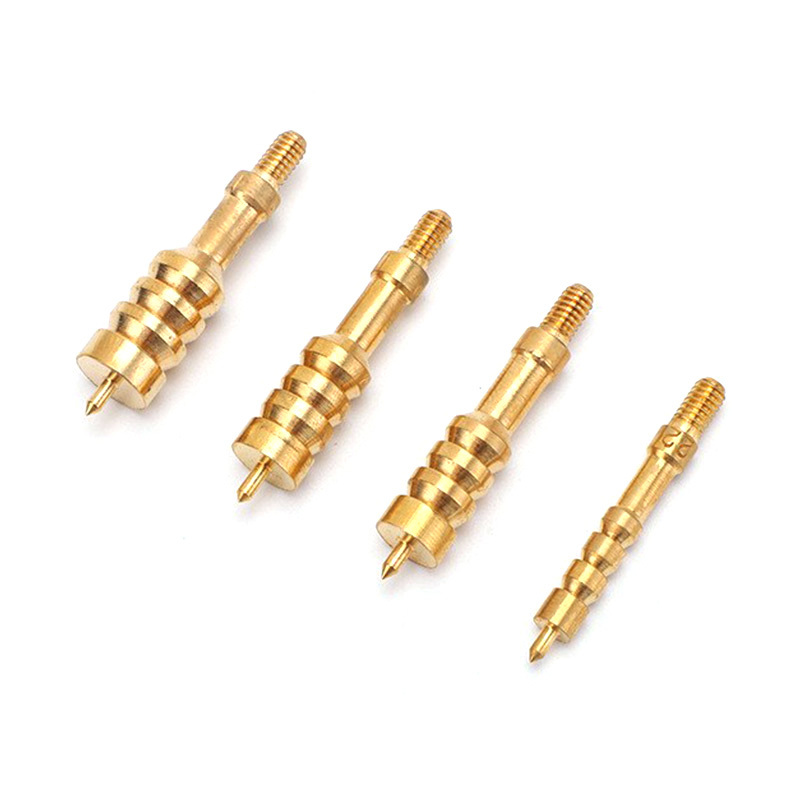
Gun Cleaning Accessories Spike Tip Adapter Parts Tool Kit
The spike tip adapter is a bore-cleaning connection component used to attach or guide cleaning materials on a cleaning rod. Depending on the selected configuration, it can support the use of patches, mops, and brushes during routine firearm maintenance. Rather than functioning as a complete cleaning rod or a complete gun cleaning kit, it serves as a specialized interface that improves the handling of individual cleaning accessories.
The tapered tip is designed to reduce resistance as the accessory enters the barrel. A smooth, gradual profile can help prevent a patch or mop from catching abruptly at the chamber or bore entrance. This is particularly valuable when a user is working with a tight-fitting cleaning material or when maintaining a firearm with a narrow bore.
An integrated centering groove helps keep the accessory positioned more evenly within the bore. When a cleaning attachment moves off-center, it may clean unevenly and can place unnecessary pressure on one side of the barrel. The adapter’s centered design supports a more controlled movement, helping users apply consistent cleaning pressure without excessive lateral movement.
The adapter is intended for use as part of a complete maintenance system. A proper cleaning rod, correctly sized patch or brush, suitable cleaning solution, and a safe work environment remain important. The adapter contributes to the connection and guiding process, but users should always follow the firearm manufacturer’s maintenance instructions and confirm that the firearm is unloaded before cleaning.
One of the product’s strongest commercial advantages is its extensive caliber coverage. Available sizes include .17 caliber, .177 caliber, .22 caliber, .243 caliber, 6 mm, .25 caliber, 6.5 mm, .270 caliber, 7 mm, .30 caliber, .338 caliber, 8 mm, .357 caliber, 9 mm, .375 caliber, .40 caliber, .410 caliber, .416 caliber, .44 caliber, .45 caliber, .50 caliber, and 12 gauge configurations, subject to the selected product version.
This range allows distributors and kit assemblers to source multiple sizes from one manufacturing partner instead of purchasing separate components from several suppliers. It also supports the production of caliber-specific kits for different firearm platforms. For online sellers, the broad range can make it easier to create product variations, bundled offerings, and replacement-part listings.
Caliber compatibility should always be confirmed before use. The correct adapter size must be matched with the firearm bore, cleaning accessory, and cleaning rod. A broad product range is valuable because it gives buyers more choices, but responsible selection remains essential for safe and effective maintenance.
The product is offered in two principal material options: brass and nylon. Each option serves a different cleaning preference and application requirement.
The brass cleaning tip is manufactured for users who prefer a rigid, durable, and corrosion-resistant metal component. Brass offers a useful balance of strength and moderate hardness. When properly machined and used with the correct cleaning procedure, it can provide a stable connection while reducing the likelihood of damaging sensitive rifling compared with harder, less suitable metals.
The brass version is particularly appropriate for frequent-use cleaning kits, professional maintenance environments, distributor product lines, and applications where a solid metal fitting is preferred. Its metallic appearance and weight can also communicate durability to end users, making it an attractive option for premium or traditional gun cleaning sets.
The nylon cleaning tip is lightweight, durable, and non-abrasive. It is suited to users who prioritize a softer contact surface and reduced risk of scratching sensitive bore surfaces. Nylon can be a practical choice for modern cleaning kits, compact travel kits, beginner-oriented products, and applications where reducing total kit weight is important.
Offering both materials gives buyers greater flexibility than a single-material product. A supplier can provide a basic nylon option, a more traditional brass option, or a mixed kit containing both. This allows the same factory to support different price points and customer segments without changing the fundamental product concept.
The adapter is available with 5-40 and 8-32 thread specifications. These thread standards are widely used in firearm cleaning accessories and are designed to support compatibility with many cleaning rods and related attachments used in North American, European, and international markets.
Thread compatibility is one of the most important practical considerations for a cleaning adapter. Even a well-made tip has limited value if it cannot connect securely to the customer’s cleaning rod. By supporting two commonly used thread specifications, the product can serve a wider range of rod systems and reduce the need for customers to purchase additional conversion parts.
Buyers placing wholesale or OEM orders should specify the required thread standard, caliber, material, and packaging configuration in advance. Confirming these details during the quotation and sample stages helps reduce ordering errors and supports more accurate product labeling.
The tapered spike tip is designed to help guide cleaning accessories into the bore with less abrupt resistance. A gradual entry profile is especially useful when a patch or mop is slightly larger than the bore diameter and must be compressed as it passes through the barrel.
A tapered structure can also improve the user experience by reducing sudden stops and uneven pushing forces. Smooth movement makes it easier to maintain a consistent cleaning rhythm. For professional kit suppliers, this feature can help distinguish the product from basic flat-ended or poorly finished adapters.
The tip is not intended to replace careful sizing. Users should still select a patch, mop, or brush appropriate for the firearm and avoid excessive force. The value of the taper lies in guiding a correctly selected accessory more smoothly, not in making an incorrectly sized accessory safe to force through a bore.
The centering groove is an important design feature because it helps maintain alignment between the adapter, the cleaning accessory, and the barrel. Consistent alignment can support more even contact with the bore surface and may reduce the tendency of the attachment to move sideways during cleaning.
Even contact is useful when removing carbon fouling, powder residue, oil deposits, and other contaminants. A centered cleaning accessory can help distribute movement more consistently along the internal surface rather than concentrating pressure at one edge.
This feature may provide an advantage over simple adapters that only connect the rod and accessory without helping to control alignment. The result is a more refined maintenance component suitable for branded kits, professional supply programs, and buyers seeking a higher level of functional detail.
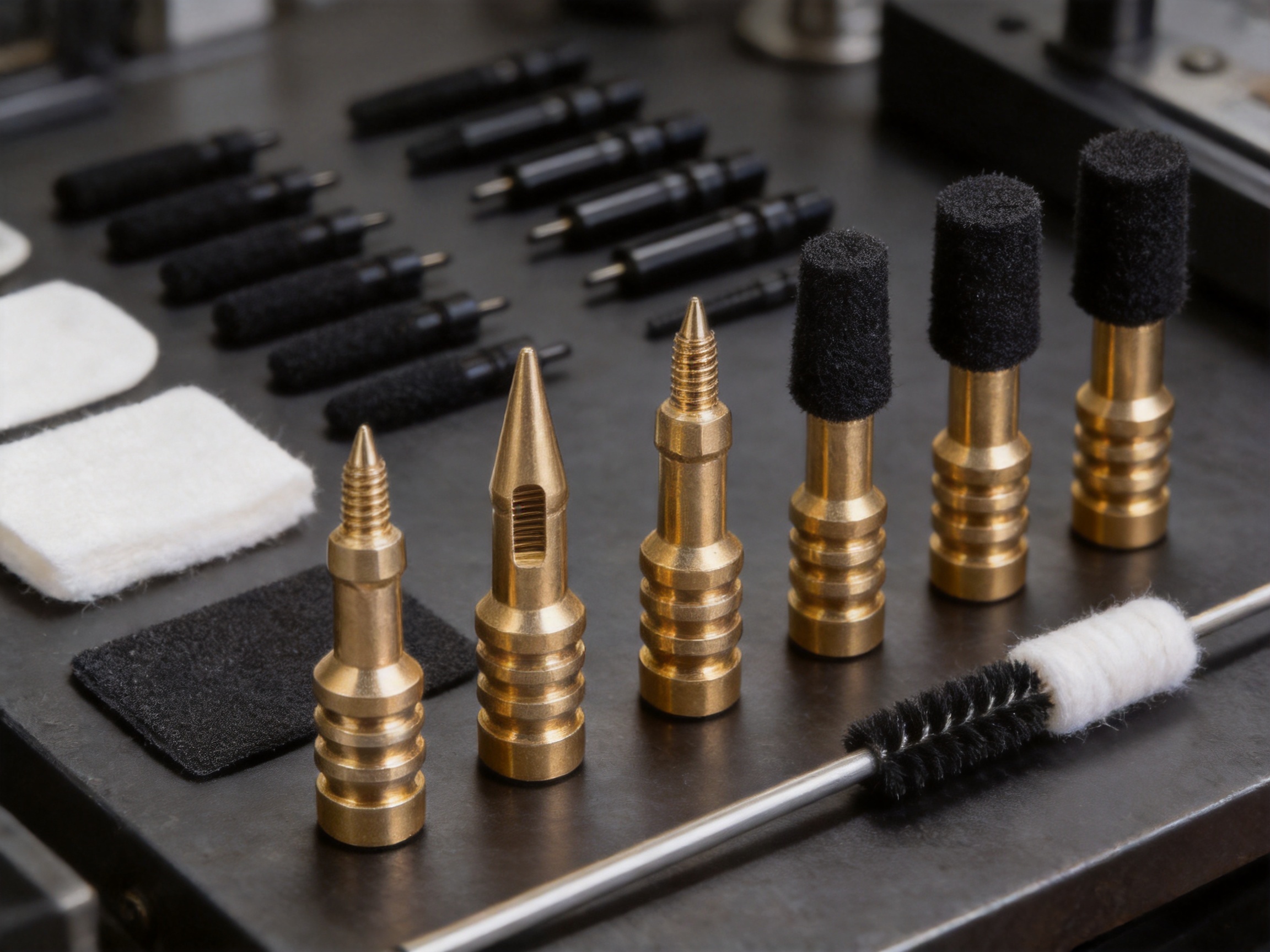
Rifles are available in a wide variety of bore sizes, and a rifle cleaning kit often requires several caliber-specific accessories. The spike tip adapter can support rifle maintenance when the selected caliber and thread specification match the cleaning rod and bore.
For rifle kit manufacturers, the product can be included as a dedicated component alongside cleaning rods, bronze or brass brushes, nylon brushes, cotton mops, patches, and cleaning cloths. A manufacturer may also package different tips in separate compartments and label each one by caliber, helping end users select the correct accessory quickly.
Rifle owners should work from the chamber end whenever the firearm design and manufacturer’s instructions permit. The firearm should be unloaded, the action should be open, and the user should avoid applying excessive force. The adapter is designed to support controlled cleaning, but it does not remove the need for correct handling.
Pistol cleaning often requires compact tools and attachments that can operate within a relatively short barrel. A lightweight nylon tip may be particularly suitable for compact kits intended for pistol owners, range bags, or mobile maintenance applications. A brass version can be selected when a stronger and more rigid connection is preferred.
The product’s size range supports several pistol-related calibers, including .22, .357, 9 mm, .40, .44, and .45 configurations, depending on the selected model. Retailers can use these variations to create targeted product pages rather than listing one generic accessory for every platform.
Because pistol components can be small and easy to misplace, organized packaging is important. Custom trays, labeled pouches, blister packs, or compartmentalized boxes can improve the customer experience. The factory’s OEM and ODM capabilities allow buyers to request packaging and logo solutions that align with their sales channel.
Shotgun cleaning requires larger bore-related accessories, including options for .410 caliber and 12 gauge applications. A suitable adapter can be included in shotgun cleaning kits with larger mops, brushes, and patches.
The product information indicates that the adapter range is intended to support shotgun as well as rifle and pistol maintenance. Buyers should verify the exact specification before ordering because shotgun gauges and rifle or pistol calibers use different sizing conventions. Clear labeling is especially important when a kit contains multiple types of bore accessories.
The following table summarizes the principal product information supplied for this adapter series. Actual availability may vary according to the selected material, caliber, thread, packaging, and customization requirements.
| Specification | Available or Listed Information | Commercial Relevance |
|---|---|---|
| Product type | Gun cleaning spike tip adapter and accessory part | Used as a connection and guiding component in firearm maintenance kits |
| Material options | Brass and nylon; product information also identifies copper-related fitting descriptions | Supports different durability, weight, appearance, and bore-contact preferences |
| Thread specifications | 5-40 and 8-32 | Compatible with many commonly used cleaning rods |
| Caliber range | .17, .177, .22, .243, 6 mm, .25, 6.5 mm, .270, 7 mm, .30, .338, 8 mm, .357, 9 mm, .375, .40, .410, .416, .44, .45, .50, and 12 gauge options | Allows caliber-specific kits and broad distributor inventory |
| Design | Tapered spike tip with centering groove | Supports smoother entry and more controlled accessory alignment |
| Compatible accessories | Cleaning patches, cotton mops, brushes, and related bore-cleaning attachments | Enables flexible kit assembly and replacement-part sales |
| Application | Rifles, pistols, and shotguns | Expands potential retail, professional, and OEM markets |
| Customization | OEM and ODM customization available | Supports private-label products, packaging, logos, and selected product configurations |
| Primary sales regions | Europe, North America, and South America | Suitable for international distribution and cross-border e-commerce |
The supplied product information includes copper-related descriptions such as copper fittings, copper material, and copper-tipped cap terminology, while the product description identifies brass and nylon versions. For commercial accuracy, buyers should confirm the exact alloy, finish, and nomenclature for each purchase order. This is particularly important for product labels, compliance documents, online listings, and customer-facing packaging.
Many basic cleaning connectors provide only a threaded attachment point. They may connect a rod and accessory, but they do not necessarily help guide the accessory into the bore or maintain alignment during movement. The spike tip adapter combines connection functionality with a tapered entry profile and centering groove.
This integrated approach can reduce the number of separate components required in a cleaning kit. It also gives kit designers a more functional product story: the adapter is not merely a replacement fitting but a purpose-designed bore-guiding component.
Competitors that offer only one material limit the buyer’s ability to serve different users. Brass and nylon versions allow distributors to create differentiated product tiers. Brass can be positioned for durability and traditional performance, while nylon can be positioned for lightweight handling and non-abrasive contact.
Material choice also supports different retail messages. A premium firearm care kit may include both versions, while a compact entry-level kit may use nylon to reduce cost and weight. A professional maintenance supplier may order brass components for intensive use and nylon components for sensitive surfaces or specialized applications.
When a supplier offers many caliber variations, buyers can consolidate sourcing. This can simplify purchasing, quality control, packaging development, and shipment planning. Instead of coordinating several small orders with multiple factories, a distributor may be able to obtain related components from one experienced manufacturer.
Inventory consolidation can also improve product assortment. A seller may introduce a universal cleaning accessory collection with clearly identified sizes, replacement parts, and combination packs. This approach can increase cross-selling opportunities for brushes, patches, mops, rods, and complete cleaning kits.
The adapter is suitable for OEM and ODM projects involving custom logos, packaging, product combinations, and selected specifications. Private-label buyers can use the same core component in different sales programs while adjusting the presentation for sporting goods stores, online marketplaces, military-style accessory suppliers, or professional gunsmithing channels.
Customization is particularly useful for companies that want to sell a coordinated family of maintenance products. A matching visual identity across rods, brushes, patches, mops, cloths, and adapters can make a product line appear more professional and easier for customers to recognize.
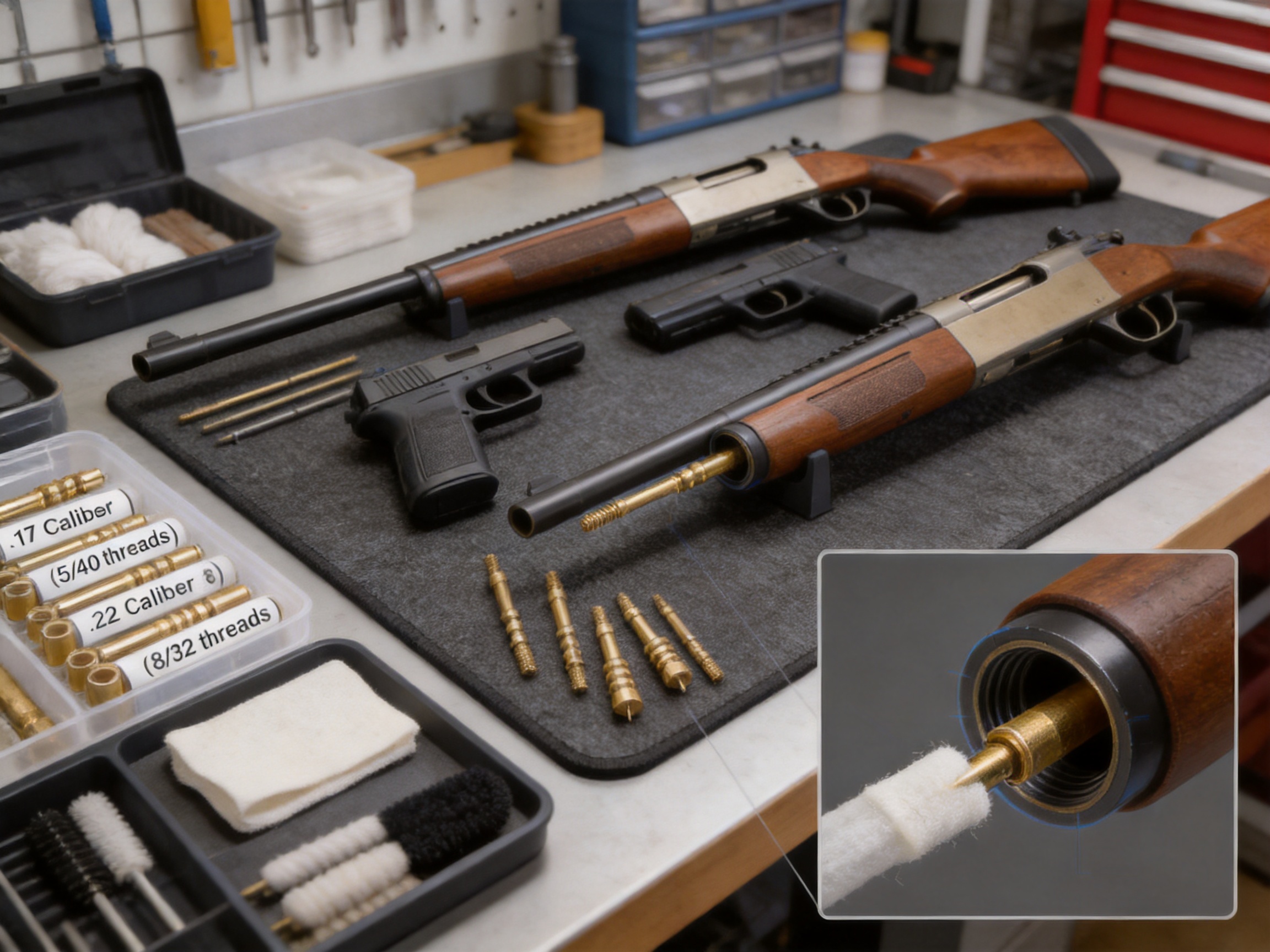
The manufacturer behind this product is a Zhejiang-based tool factory established in 1999. With more than 26 years of experience, the company integrates research and development, production, and sales. Its product focus includes gun cleaning kits, barrel cleaning brushes, and related firearm maintenance accessories.
Long-term experience is valuable in a product category where small differences in thread machining, bristle construction, material selection, and dimensional consistency can affect usability. A factory that has worked with cleaning accessories for many years is better positioned to understand the requirements of distributors, kit assemblers, and international buyers.
Experience also supports product continuity. Buyers of private-label goods often need stable specifications over multiple purchasing cycles. Consistent molds, tooling, assembly procedures, and inspection standards can help reduce variation between initial samples and later production batches.
The factory operates production systems that include semi-automatic and fully automated equipment. This combination provides flexibility for different order sizes and product types. Semi-automatic processes can be useful for customized or variable products, while automated systems can support higher-volume production with repeatable operations.
For the spike tip adapter, manufacturing quality may involve several important stages. These can include material preparation, forming or machining, thread processing, surface finishing, groove formation, dimensional inspection, cleaning, assembly where required, and packaging. The appropriate process depends on the selected material and product specification.
Automation can improve repeatability in operations such as feeding, forming, threading, and packaging. It can also reduce dependence on manual variation in high-volume orders. At the same time, skilled personnel remain important for setup, tool adjustment, inspection, troubleshooting, and handling customized requirements.
R&D capability allows the factory to adjust product geometry, material selection, packaging, and accessory combinations according to buyer requirements. This is useful when an OEM customer wants a different tip profile, special surface finish, custom thread configuration, alternative material, or combined cleaning kit.
Product development may begin with a specification review and sample confirmation. The buyer and factory can discuss the intended firearm platforms, caliber range, cleaning rod standard, target market, packaging format, and expected order volume. After prototype evaluation, the design can be refined before mass production.
For distributors, this process can shorten the path from product concept to market launch. A buyer may start with a standard configuration for testing and later develop an exclusive package or accessory combination after receiving customer feedback.
The company’s products are exported to more than 50 countries and regions. Its listed sales regions include Europe, North America, and South America, while its main downstream platforms include Amazon, AliExpress, and independent websites.
International experience can help a supplier understand common export documentation, carton requirements, labeling expectations, packaging protection, and communication practices. It may also help the factory respond more effectively to different buyer preferences, including small trial orders, private-label programs, and recurring wholesale shipments.
Cross-border e-commerce sellers benefit from products that are easy to describe, package, and organize. The adapter’s clear caliber variations and standard thread options can support searchable product listings and structured SKU management. Custom packaging can further improve presentation and reduce confusion for end users.
Dimensional accuracy is essential for a threaded cleaning adapter. The thread must be formed correctly so that it attaches securely without excessive looseness or binding. The tip diameter and overall profile should correspond to the selected caliber and intended accessory.
Buyers should request product drawings, samples, or inspection specifications where appropriate. Important dimensions may include thread type, thread length, tip diameter, groove dimensions, overall length, and tolerances. These details are particularly important for OEM projects and products sold under a private label.
A smooth and properly finished surface supports easier handling and reduces the likelihood of rough edges catching on patches or other cleaning materials. Brass components should be checked for burrs, sharp machining marks, and inconsistent finishing. Nylon components should be inspected for molding flash, deformation, or surface irregularities.
Surface appearance also affects customer perception. Clean, consistent finishing can make a noticeable difference when the item is displayed in retail packaging or photographed for an online listing.
Thread engagement should be secure enough to prevent the adapter from loosening during normal cleaning movement. At the same time, the connection should not require excessive force to assemble or remove. A properly produced thread contributes to a more reliable user experience and reduces the risk of damage to the rod or adapter.
Wholesale buyers may wish to establish a sampling plan for checking thread fit against approved reference rods. This can be included in incoming quality control procedures or factory pre-shipment inspection requirements.
Material descriptions should be clearly confirmed, especially when product documents use terms such as copper, brass, or copper fittings. Brass is a copper-based alloy, but it is not identical to pure copper, and buyers may require a specific alloy or finish for technical, marketing, or compliance reasons.
For nylon products, buyers may request confirmation of the nylon grade, color, molding method, and intended temperature or chemical resistance. The exact material specification should match the performance claims used in product listings and packaging.
The adapter is well suited to several business models. A gun cleaning kit brand can include it as a standard component. A distributor can sell individual replacement tips by caliber. A sporting goods importer can develop a private-label accessory range. An online retailer can create bundled kits for specific firearm categories.
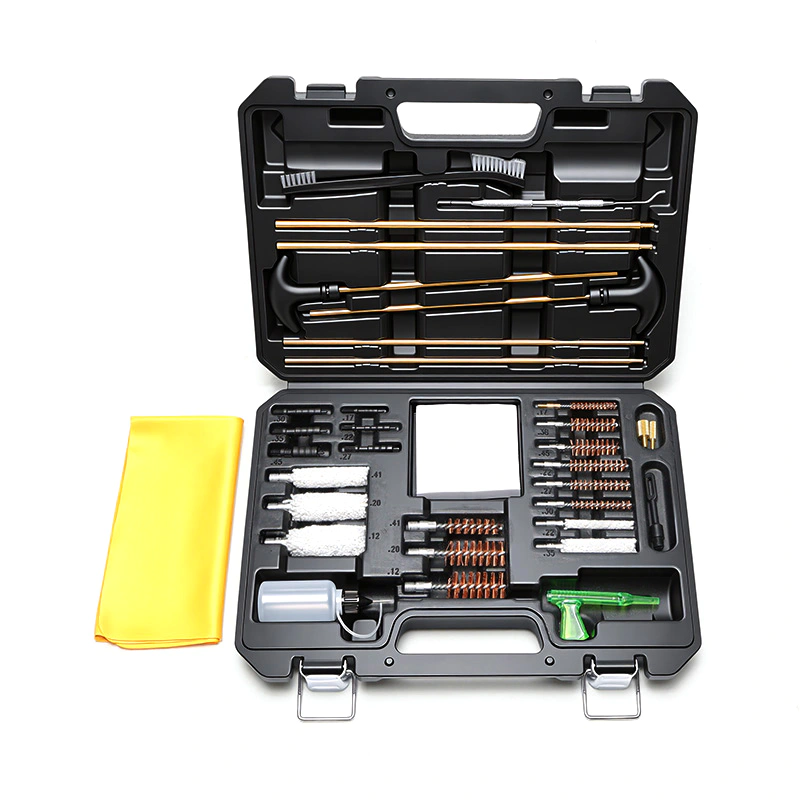
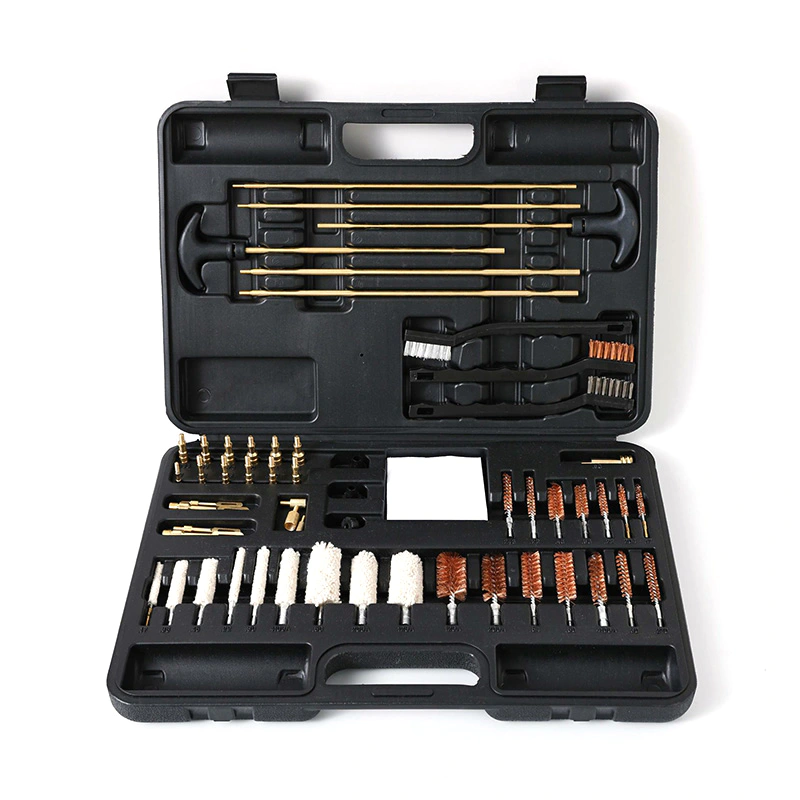
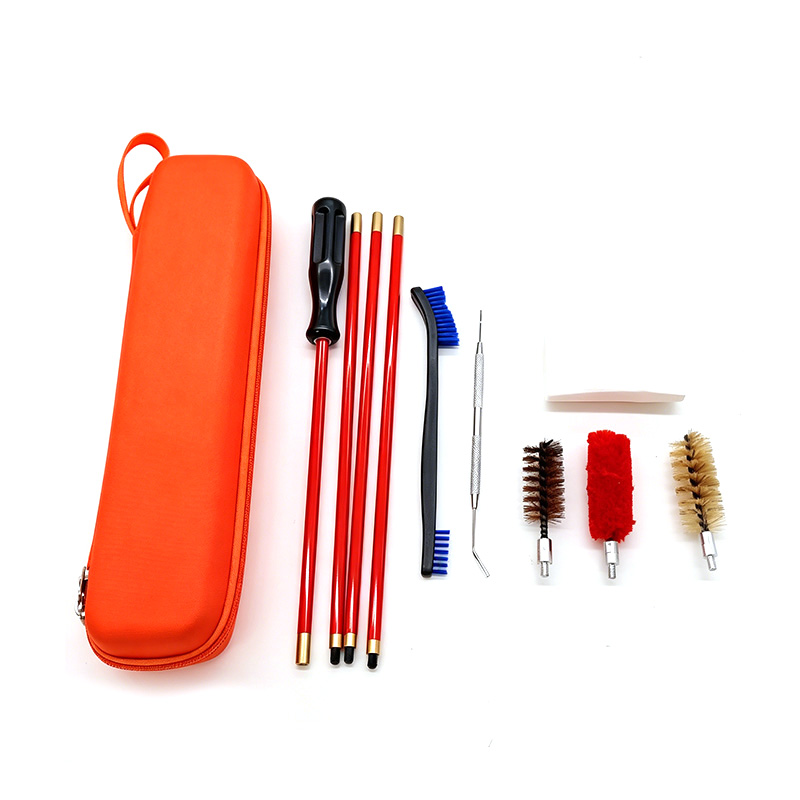
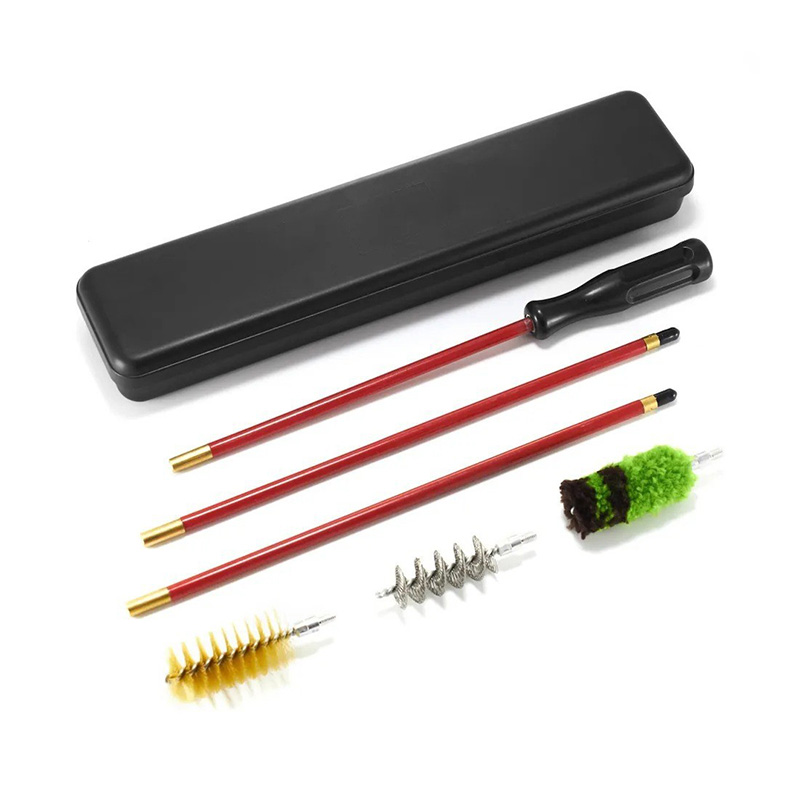
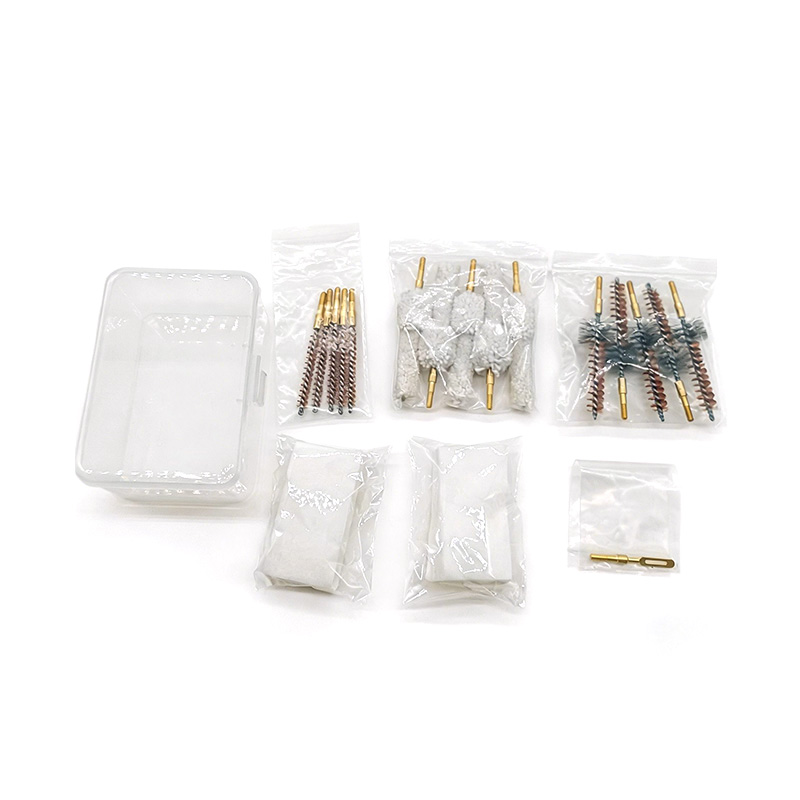
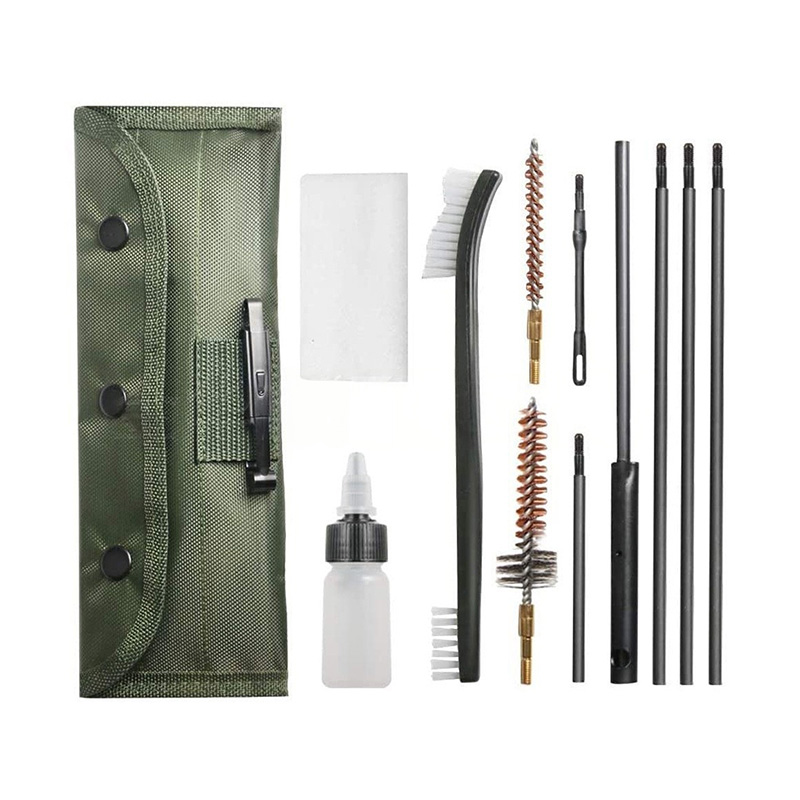
Product bundles may include the spike tip adapter, cleaning rods, bronze or brass brushes, nylon brushes, cotton mops, patches, cleaning cloths, and storage cases. Different bundles can be designed for rifles, pistols, shotguns, or mixed firearm collections.
A supplier may also create a basic, standard, and professional product tier. The basic version can contain selected nylon attachments and a compact rod. The standard version can combine brass and nylon tips with several brush sizes. The professional version can include a wider caliber selection, multiple thread standards, premium packaging, and a larger accessory assortment.
Packaging options can include printed cartons, hanging cards, zippered pouches, plastic cases, compartment trays, and labeled polybags. The most suitable format depends on the sales channel. Marketplace sellers may prioritize compact packaging and clear product photographs. Sporting goods retailers may require shelf-ready packaging with barcode space and multilingual information.
Packaging should clearly identify material, caliber, thread standard, compatibility, quantity, and safe-use instructions. If a kit contains several sizes, each item should be labeled in a way that remains readable after repeated use.
Private-label buyers can request custom logos, color schemes, printed instructions, and coordinated product design. A consistent brand presentation across the adapter and other cleaning accessories can improve recognition and support repeat purchases.
Brand owners should ensure that technical claims are accurate. For example, the packaging should not imply universal compatibility if only selected thread standards or caliber sizes are included. Clear claims build customer confidence and reduce returns.
Large-volume buyers can benefit from production planning, consolidated packaging, and repeat-order arrangements. Forecasting demand by caliber helps the factory prepare materials and allocate production capacity. Buyers may also request separate cartons for different SKUs to simplify warehouse receiving.
Trial orders are useful for evaluating actual customer response. After confirming sales performance, the buyer can expand the assortment or negotiate a long-term supply plan. The manufacturer’s combination of semi-automatic and automated production systems is suitable for both customized programs and larger recurring orders.
The product can be positioned as a precision bore-cleaning accessory rather than an ordinary metal or plastic fitting. Its main selling points are the tapered spike tip, centering groove, material choices, broad caliber selection, and compatibility with common cleaning rod threads.
For premium markets, sellers can emphasize brass construction, precision thread machining, corrosion resistance, durable handling, and inclusion in complete professional cleaning systems. For lightweight or sensitive-surface applications, sellers can emphasize the non-abrasive characteristics of nylon.
For distributors, broad coverage and customization are likely to be the strongest commercial arguments. One product family can support many firearm categories, multiple price levels, and different packaging styles. This helps distributors create a broader catalog without managing an excessive number of unrelated suppliers.
For cross-border e-commerce, product pages should include accurate measurements, clear caliber charts, thread information, material details, compatible accessories, and safety notes. High-quality photographs should show the tip profile, threads, size variations, and packaging. Clear information is especially important because customers may not be familiar with the difference between 5-40 and 8-32 threads.
Before cleaning, confirm that the firearm is completely unloaded. Remove ammunition from the immediate work area, open the action where applicable, and follow the firearm manufacturer’s instructions. Use the adapter only with a compatible cleaning rod and correctly sized accessory.
Do not force a patch, mop, or brush through the bore if excessive resistance occurs. Remove the attachment and verify the caliber, accessory size, thread connection, and alignment. Excessive force can damage the accessory, cleaning rod, or firearm.
Users should inspect the adapter before each use. Do not use a component with damaged threads, severe deformation, sharp burrs, or visible cracks. Keep brass and nylon parts clean and dry after use, and store them in a manner that prevents loss or damage.
These recommendations are general maintenance guidance and do not replace the instructions supplied by the firearm or cleaning equipment manufacturer. Retailers and OEM buyers should consider including appropriate safety information with the finished product.

The adapter connects or guides cleaning accessories such as patches, cotton mops, and brushes on a compatible cleaning rod. Its tapered tip helps guide the accessory into the bore, while the centering groove helps maintain alignment during cleaning.
The product range is intended for rifles, pistols, and shotguns, provided that the selected caliber, thread specification, and accessory size are correct. Buyers should confirm the exact version before use.
The main material options described are brass and nylon. Brass provides a rigid, durable, corrosion-resistant metal option, while nylon is lightweight and non-abrasive. Product documents also contain copper-related terminology, so the exact material should be confirmed for each order.
The listed thread specifications are 5-40 and 8-32. These are common cleaning rod thread standards, but customers should compare them with the rod they intend to use before purchasing.
No single adapter fits every caliber. The product family includes multiple sizes from approximately .17 caliber through .50 caliber, as well as .410 caliber and 12 gauge options. The correct size must be selected for the firearm and cleaning accessory.
Yes. It can be combined with cleaning rods, brushes, cotton mops, patches, cloths, and storage cases. It is suitable for standard retail kits, professional maintenance sets, replacement-part programs, and private-label packages.
Customization is available for OEM and ODM projects. Possible areas include product combinations, packaging, logos, labeling, and selected specifications. The final options should be confirmed with the factory during project development.
The brass version is designed for firearm maintenance and offers a balanced level of hardness. However, safe use depends on correct sizing, proper alignment, suitable cleaning technique, and compliance with the firearm manufacturer’s instructions. Users should never force an incorrectly sized accessory through a bore.
Nylon is lighter and non-abrasive, making it suitable for users who prefer a softer contact material or want to reduce the weight of a compact cleaning kit. Brass may be preferred when a more rigid metal fitting and traditional durable construction are desired.
The buyer should confirm material, caliber, thread specification, dimensions, surface finish, quantity, packaging, logo requirements, carton details, inspection standards, and delivery schedule. It is also advisable to approve a sample before mass production.
The manufacturer exports to more than 50 countries and regions and serves markets in Europe, North America, and South America. It also supports cross-border e-commerce and OEM or ODM projects. Specific shipping and documentation requirements should be discussed for each order.
A strong listing should state the product type, material, caliber, thread, compatible accessories, tapered tip design, centering groove, intended firearm categories, and package contents. It should avoid vague claims of universal compatibility and should clearly explain that the correct size must be selected.
The Gun Cleaning Accessories Spike Tip Adapter Parts Tool Kit combines several features that are valuable to both end users and professional buyers. Its tapered design supports smoother bore entry, the centering groove promotes controlled alignment, and the brass and nylon options address different preferences for rigidity, weight, and surface contact.
The product’s broad caliber range and 5-40 and 8-32 thread options allow it to serve a large international market. These specifications also help distributors organize a complete accessory family rather than relying on a single generic part. For OEM and ODM customers, the product can be adapted into custom kits, private-label packages, and replacement-part programs.
The manufacturing partner adds further value through long-term industry experience, in-house R&D, semi-automatic and fully automated production systems, international export experience, and customization support. These capabilities are important for buyers who need more than a one-time commodity purchase. They provide a foundation for consistent production, product development, packaging coordination, and long-term supply.
For retailers and distributors, the adapter offers a practical balance between technical function and commercial flexibility. For firearm owners, it provides a dedicated tool for controlled bore maintenance when used with the correct rod and accessory. For kit manufacturers, it is a versatile component that can strengthen the performance and presentation of a complete firearm cleaning system.
A reliable cleaning system depends on the compatibility and quality of every component, including the small adapter that connects the cleaning accessory to the rod. The spike tip adapter is designed to improve this connection through a tapered entry profile, centering groove, multiple caliber sizes, and common thread specifications.
Brass and nylon options allow buyers to select the material most appropriate for their customers and applications. The product can be supplied for rifles, pistols, and shotguns and can be incorporated into complete cleaning kits, professional maintenance sets, replacement-part catalogs, and private-label programs.
Supported by an experienced Zhejiang manufacturer with established export capabilities, modern production systems, R&D resources, and OEM or ODM services, the product is suitable for both standard wholesale sourcing and customized international projects. With accurate specification control, responsible packaging, and clear user instructions, it can serve as a dependable component in modern firearm maintenance product lines.
1. Product specification and description supplied for the Gun Cleaning Accessories Spike Tip Adapter Parts Tool Kit.
2. Manufacturer information supplied for Jinhua Tongshun Tool Factory, including company history, production capabilities, export experience, and OEM or ODM services.
3. General firearm maintenance and bore-cleaning principles concerning unloaded-firearm handling, correct accessory sizing, controlled cleaning pressure, and cleaning rod compatibility.
4. General industry reference information concerning 5-40 and 8-32 thread standards used in firearm cleaning accessories.
5. General materials reference information concerning brass, nylon, copper-based alloys, corrosion resistance, hardness, and non-abrasive polymer components.