English
 русский
 Español
 عربى

HUNTACE HUNTACE HUNTACE HUNTACE HUNTACE
HUNTACE HUNTACE HUNTACE HUNTACE

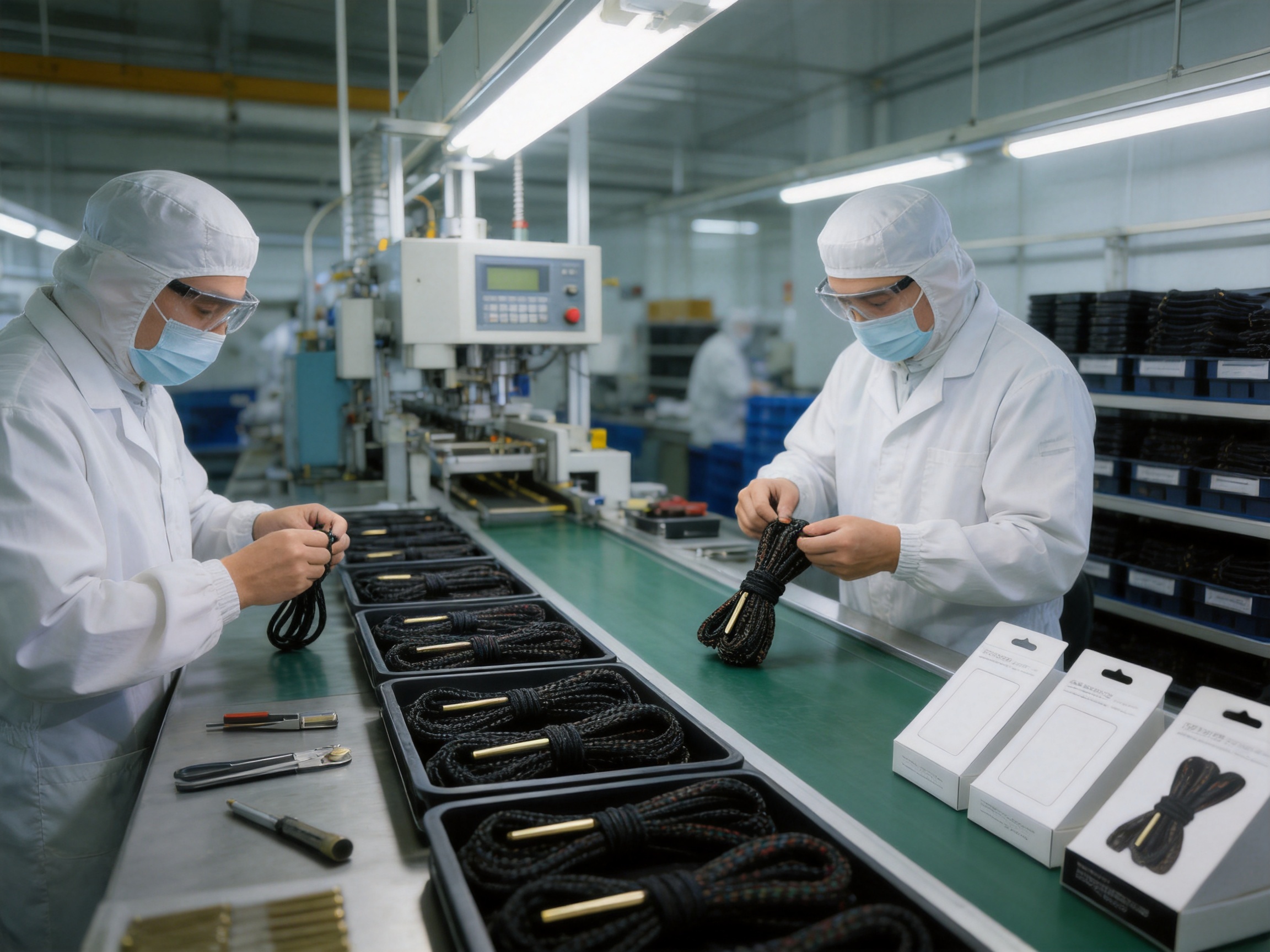
Maintaining a firearm properly requires the right cleaning equipment, a consistent process, and careful attention to the bore. A clean barrel supports reliable operation, helps preserve accuracy, and contributes to the long-term service life of the firearm. For hunters, shooting-range users, firearm retailers, outdoor equipment distributors, and professional maintenance providers, a portable pull-through cleaning tool can make routine servicing faster and more convenient.
The Portable Gun Cleaning Rope Snake Brush for Hunting is designed as an integrated bore-cleaning solution. It combines a flexible braided rope body with an integrated phosphor bronze brush, allowing users to pull the tool through the bore in one continuous movement. Unlike a conventional cleaning rod system that may require a rod, adapter, brush, patch holder, separate patches, and several assembly steps, this rope-style cleaner is compact, flexible, and ready for field use.
Manufactured by Jinhua Tongshun Tool Factory, the product is positioned for both professional and consumer markets. It is suitable for hunting equipment maintenance, shooting-range servicing, firearm care programs, outdoor retail, cross-border e-commerce, and wholesale distribution. The product can also be customized through OEM and ODM programs, including colors, logos, packaging, and kit combinations.
The bore is one of the most important internal areas of a firearm. During firing, the bore can collect carbon fouling, powder residue, copper deposits, oil contamination, dust, and other particles. If these deposits are left in place, they may affect accuracy, complicate future cleaning, and contribute to unnecessary wear or corrosion when storage conditions are unfavorable.
Traditional cleaning rods remain useful for many maintenance applications, particularly when a rigid guide is required or when a user wants to apply several different accessories. However, they can be less convenient in the field. A rod system typically requires the user to assemble components, select the correct brush or patch attachment, and manage a longer rigid tool during transport. A pull-through rope cleaner addresses these limitations with a compact design intended for a straightforward bore pass.
The rope snake structure is especially useful when portability is a priority. It can be stored in a range bag, hunting pack, workshop drawer, vehicle kit, or emergency maintenance pouch. Its flexible construction also makes it easier to handle around the muzzle and chamber compared with long rigid tools that may be awkward in confined spaces.
Proper firearm maintenance should always follow the firearm manufacturer’s instructions. Before cleaning, the firearm must be unloaded, the action should be open where applicable, and the user should confirm that no ammunition is present in the working area. The product is a maintenance accessory, not a substitute for safe handling procedures or professional inspection.
The primary advantage of this product is its all-in-one construction. The flexible rope and cleaning brush are combined into a single pull-through tool, reducing the number of components that need to be carried and assembled. This design makes the cleaner practical for users who want to complete routine bore servicing quickly after a hunting trip, range session, or field activity.
The integrated phosphor bronze brush is intended to loosen and remove common bore contaminants, including carbon buildup, copper fouling, powder residue, and oil deposits. The brush works as the rope is drawn through the bore, while the flexible body follows the barrel path. Depending on the user’s cleaning procedure, the rope may be used with an appropriate cleaning solution or lubricant, provided that the chemical is compatible with the firearm and the product materials.
The source specifications also identify copper wire as the bristle material and cotton as the handle or rope-related material. These details reflect the product’s use of a soft, flexible cleaning structure with a metallic brushing element. For commercial product listings, purchasers should confirm the exact material configuration, brush density, dimensions, and packaging version with the supplier before placing a production order, especially when different calibers or private-label variants are required.
Compared with a basic cloth-only pull-through, the integrated brush provides more active mechanical contact with fouling. Compared with a rigid rod and separate brush, it offers a simpler field format. This balance between cleaning action, portability, and ease of use is the main reason rope snake products remain popular among hunters, shooters, and outdoor equipment suppliers.
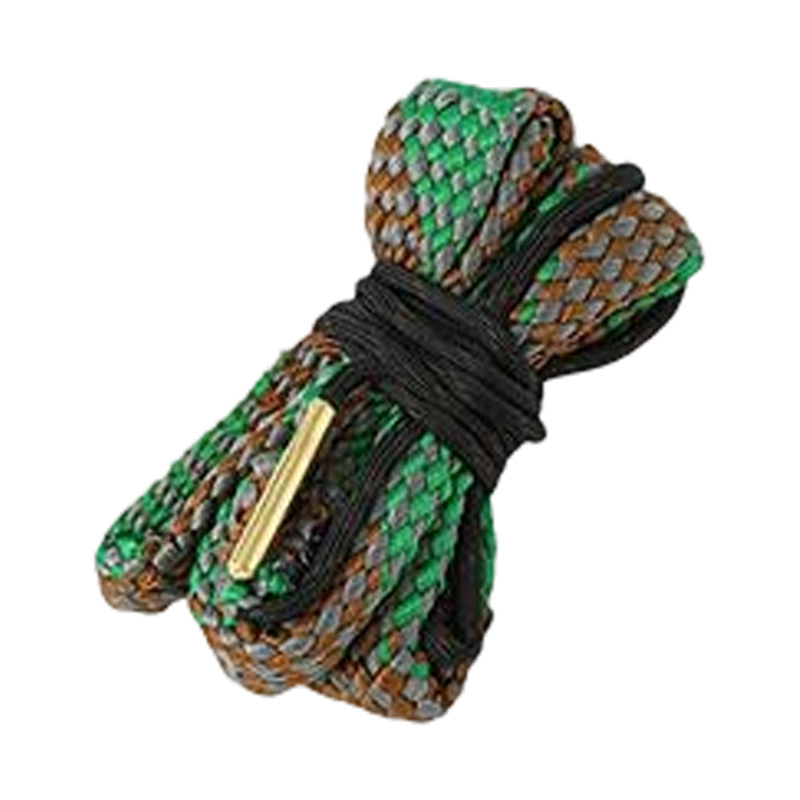
Portable Gun Cleaning Rope Snake Brush for Hunting
One of the strongest commercial features of the Portable Gun Cleaning Rope Snake Brush is its broad range of available specifications. The product line is described as covering 20 caliber options for different firearm maintenance requirements. Shotgun options include 10GA, 12GA, 16GA, 20GA, 28GA, and 410GA. Rifle and handgun options extend from .17 Cal to .54 Cal, depending on the selected model.
Common metric specifications include 9mm, 5.56mm, 7.62mm, 6mm, 6.5mm, 7mm, and 8mm. These options support product planning for pistols, rifles, shotguns, and mixed firearm accessory collections. A distributor can therefore develop a complete assortment rather than relying on one universal size that may provide a poor fit across different bores.
Correct sizing is important. A rope cleaner should be selected for the specific caliber or gauge of the firearm. A model that is too small may not provide sufficient contact with the bore, while an unsuitable oversized model may be difficult to pull and may not be appropriate for the firearm. Retail packaging should clearly identify the compatible caliber or gauge so that the end user can select the correct product confidently.
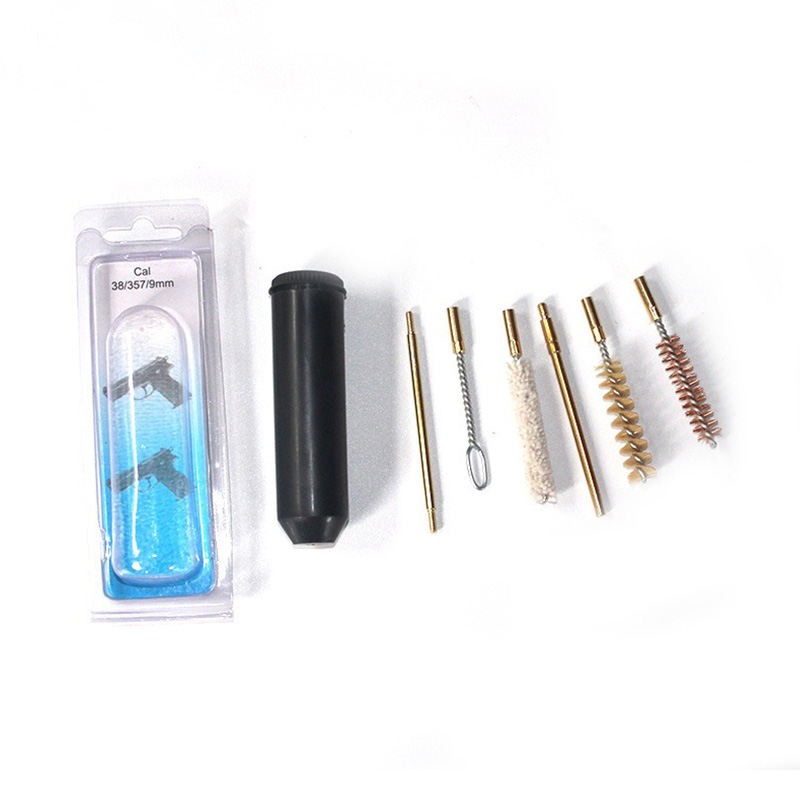
The listed product code includes .12, .22, .30, .38, and .45, while an example specification identifies G02 as 22 Cal, .223, and 5.56 mm and G03 as 38 Cal, .357, and .380. These details show how one product series can be organized into practical size groups. Because caliber naming conventions vary by market, professional buyers should verify whether each package will display decimal caliber, metric caliber, cartridge designation, gauge, or a combination of these markings.
| Application group | Representative specifications | Typical customer need |
| Shotgun cleaning | 10GA, 12GA, 16GA, 20GA, 28GA, 410GA | Hunting, sporting, field maintenance, and shotgun retail kits |
| Handgun cleaning | 9mm, .22, .30, .38, .357, .380, .45 | Pistol maintenance, range bags, and compact cleaning kits |
| Rifle cleaning | 5.56mm, .223, 6mm, 6.5mm, 7mm, 7.62mm, .30, 8mm | Rifle servicing, hunting equipment, and shooting sports |
| Large-bore selection | .54 Cal and selected larger specifications | Specialized firearms and broader distributor assortments |
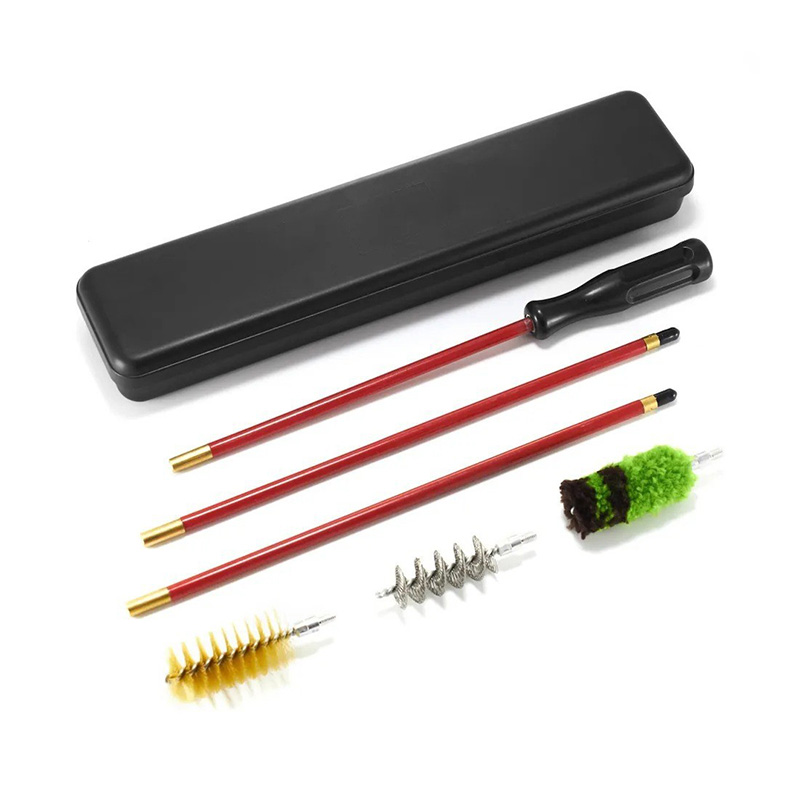
A traditional rod kit often includes several threaded sections, a handle, a jag, a brush, a patch holder, and other attachments. This arrangement provides flexibility, but it also increases setup time. Small components can be misplaced, and users may need to choose the correct attachment before beginning. The rope snake design reduces this complexity by integrating the main cleaning elements into one tool.
For retailers, an integrated tool is also easier to explain. The core customer message can focus on a flexible, pull-through cleaning method rather than a collection of accessories with different functions. Clear instructions and caliber-specific packaging can make the product accessible to first-time buyers while still meeting the needs of experienced users who want a compact backup tool.
Rigid rods can be effective, but their length and shape may make them inconvenient for outdoor use. A flexible rope cleaner can be coiled, packed, or stored in a relatively small compartment. This is useful for hunters who travel light, range users who carry multiple firearms, and distributors developing compact cleaning kits for online sales.
Portability also supports preparedness. A firearm owner may be more likely to perform routine maintenance when the cleaning tool is immediately available. A product that fits inside a range bag or vehicle kit can be used after a session without requiring access to a full workshop.
The flexible body is designed to follow the bore rather than requiring the user to maneuver a long rigid shaft. This can reduce the risk of awkward contact at the muzzle and make the pull-through movement more natural. The product description specifically highlights a structure intended to reduce contact damage risk to rifling and the muzzle crown.
Users should still apply controlled force and follow appropriate cleaning procedures. A flexible design does not eliminate the need for care, and a rope should never be forced through an obstruction. The advantage is that the tool is less rigid and less cumbersome during normal cleaning, not that it can replace inspection or obstruction-removal equipment.
Hunters and outdoor users may need to clean equipment away from a workshop. Dust, powder residue, and environmental debris can accumulate during travel or use. A compact rope brush can provide a practical first-line maintenance option when a complete bench-top cleaning system is not available.
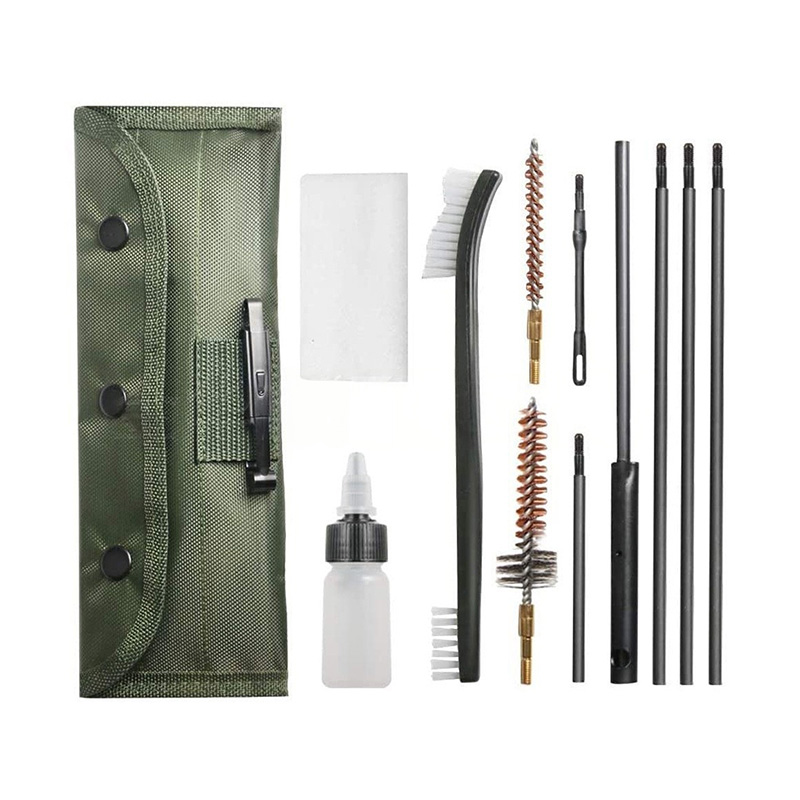
The product is also suitable for shooting-range servicing. Range operators, instructors, and firearm accessory retailers can use or sell the product as part of a post-session maintenance solution. When combined with patches, a cleaning mat, a small oil bottle, and additional brushes, the rope can become part of a more complete firearm care package.
The product is designed to address several common types of bore contamination. Carbon buildup may form as combustion byproducts accumulate. Powder residue can remain after repeated firing. Copper fouling may develop as projectile material contacts the bore. Oil contamination can occur when lubricant mixes with dust and residue or when excess oil remains in the barrel.
The integrated brush helps break up deposits through controlled mechanical contact. The rope body can then carry loosened material out of the bore during the pull-through movement. For heavier fouling, users may need to repeat the process, apply a suitable cleaner, or use additional accessories. The rope brush is best understood as a convenient routine-maintenance tool rather than a guarantee that one pass will remove every deposit in every condition.
A practical cleaning process generally includes confirming that the firearm is unloaded, selecting the correct caliber or gauge, inspecting the rope and brush, applying only suitable cleaning products, and pulling the tool through the bore in a controlled direction. The user should inspect the bore after cleaning and store the firearm according to the manufacturer’s recommendations.
Because different firearms use different finishes, coatings, and bore materials, chemical compatibility should be checked before use. Buyers developing a retail kit should also consider whether the rope will be sold dry, pre-treated, or alongside a separate oil bottle. Packaging language should provide accurate instructions without promising results beyond the product’s intended function.
The available information identifies the product as a bristle brush with a copper-wire bristle material, a black color, a total length of approximately 200 units, and a bristle length of approximately 100 units. The source specification does not state the measurement unit in the supplied data, so commercial documentation should confirm whether these dimensions are expressed in millimeters or another unit before publication.
The handle or flexible material is listed as cotton, while the main product description emphasizes a braided rope body. This combination is consistent with a soft textile pull-through structure incorporating a metal brush section. Buyers seeking a precise technical datasheet should request confirmation of rope diameter, brush diameter, total length by caliber, tensile strength, brush fixation method, and recommended service life.
| Product attribute | Provided information | Commercial relevance |
| Product type | Bristle brush and pull-through rope cleaner | Supports compact bore-cleaning positioning |
| Brush material | Copper wire / phosphor bronze brush description | Provides mechanical action for residue removal |
| Rope or handle material | Cotton listed in the product information | Supports flexibility and portability |
| Color | Black, with color customization available | Suitable for standard retail or private-label programs |
| Total length | Approximately 200 as listed | Should be confirmed with the selected specification |
| Bristle length | Approximately 100 as listed | Should be confirmed by caliber and production version |
| Compatible range | Shotgun, rifle, and handgun options | Enables multi-SKU distributor planning |
| Packaging | Blister pack, PE bag, transparent plastic box, or custom packaging | Supports different retail and wholesale channels |
For importers and brand owners, confirming these details before mass production is important. A sample approval process can verify dimensions, brush density, rope construction, packaging artwork, labeling, and compatibility statements. It can also help ensure that product listings match the physical goods supplied to end customers.
Jinhua Tongshun Tool Factory was established in 1999 and specializes in gun cleaning kits, barrel cleaning brushes, and related cleaning accessories. With more than 26 years of manufacturing experience based on the provided company information, the factory combines research and development, production, and sales in one business structure.
The company operates a production facility with semi-automatic and fully automated systems. This manufacturing approach is important for products such as rope snake brushes because consistency must be maintained across multiple stages. The brush must be securely fixed, the rope must meet tensile requirements, and the finished product must present a consistent appearance for retail or professional use.
Manufacturing control may include incoming-material inspection, component preparation, brush filament placement, fixation, rope assembly, trimming, appearance inspection, tensile testing, and final packing. The product description specifically refers to brush filament fixing tests, tensile strength testing, and performance inspection. These checks address several practical concerns, including the possibility of bristle loss, rope separation, weak attachment points, inconsistent dimensions, or unacceptable surface defects.
Automation can improve repeatability for larger orders. Semi-automatic processes may provide flexibility for different calibers, colors, packaging versions, or small-batch private-label orders, while automated equipment can support more standardized high-volume production. The combination allows the factory to serve both established distributors and customers testing a new product concept.
Quality control is particularly valuable for cross-border sales. A product may be handled by a factory, exporter, freight provider, warehouse, platform fulfillment center, retailer, and final consumer. Consistent construction and accurate labeling help reduce complaints caused by mismatched sizes, incomplete packaging, or unclear compatibility information.
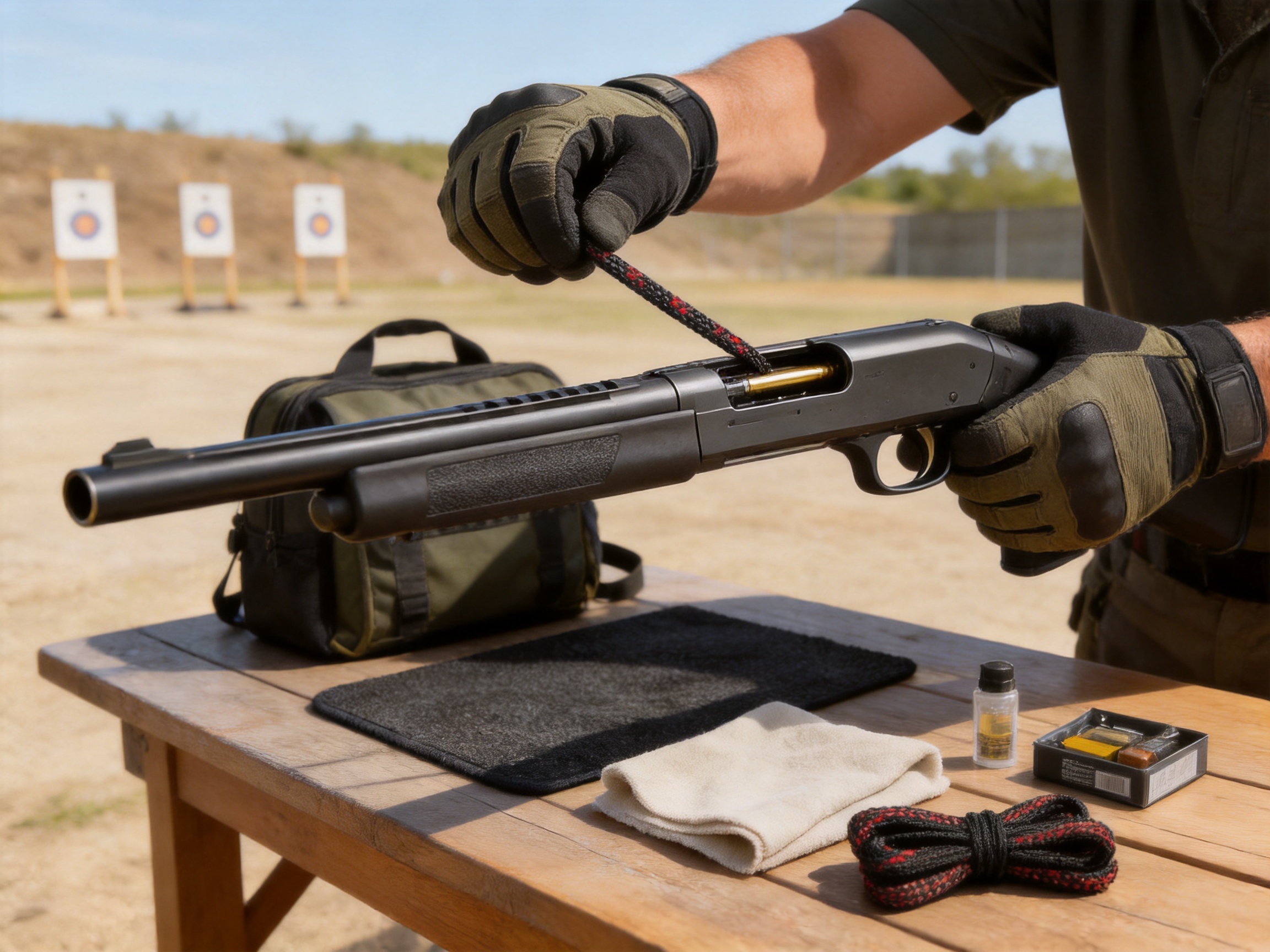
The product is suitable for private-label programs. OEM services can allow a buyer to place its own brand identity on an established product design, while ODM services can support broader appearance or packaging adjustments. The listed customization options include rope color, logo printing, appearance changes, and packaging development.
Color customization can help a brand create a recognizable product family. For example, different colors may identify different caliber groups, product tiers, or retail collections. However, color coding should not replace clear caliber labeling. A black rope is listed as the standard color, while customized colors can be discussed according to order requirements, material availability, and production quantities.
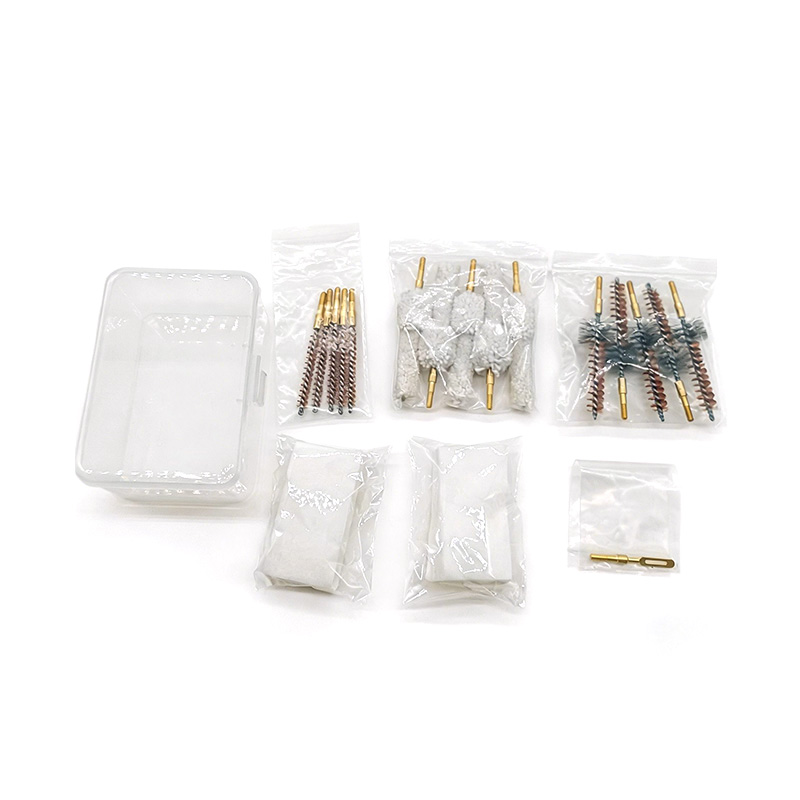
Logo printing can be applied to suitable packaging or product surfaces, subject to technical review. Packaging options include blister packs, PE bags, transparent plastic boxes, and customized retail packaging. A blister pack may be appropriate for hanging displays, while a PE bag may suit economical wholesale distribution. A transparent box can emphasize the physical product and support organized retail presentation.
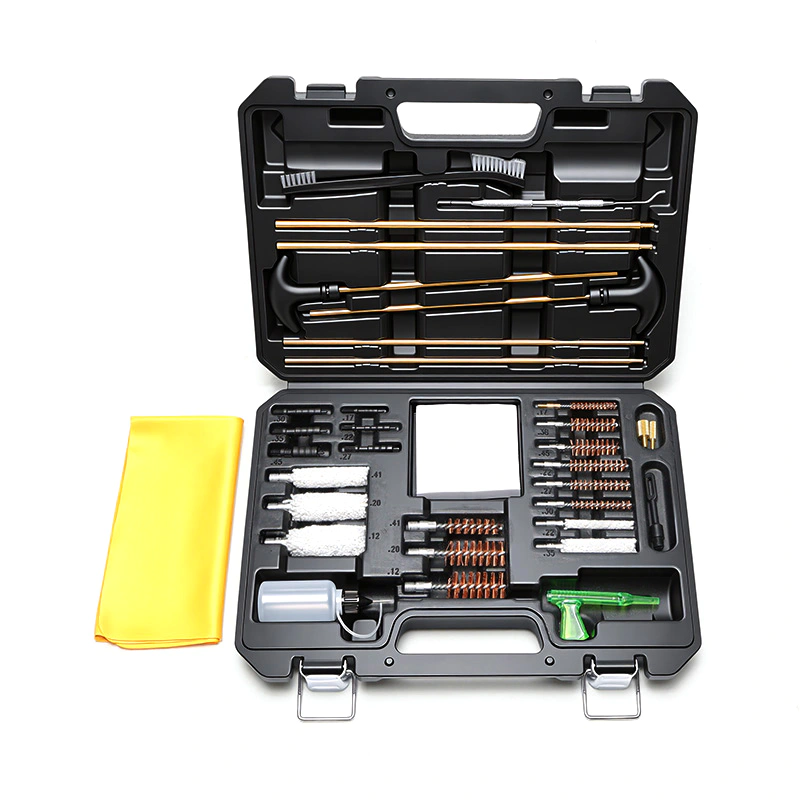
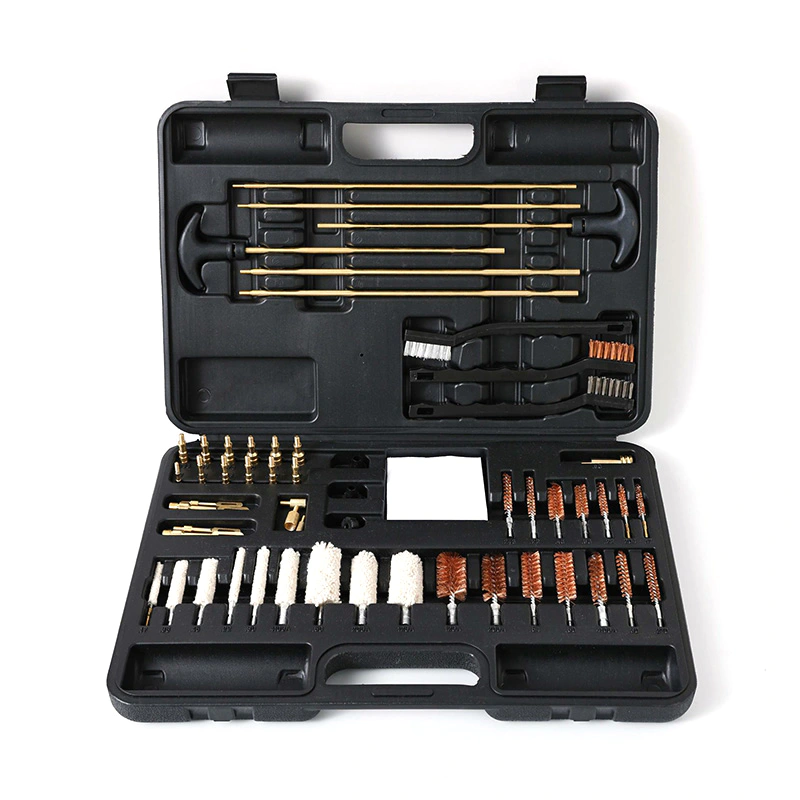
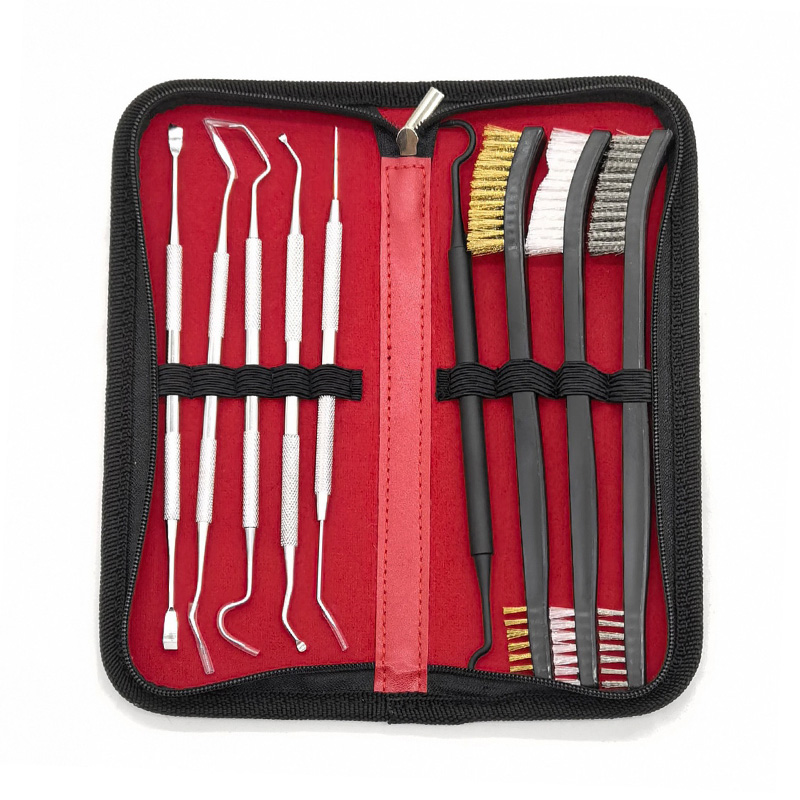
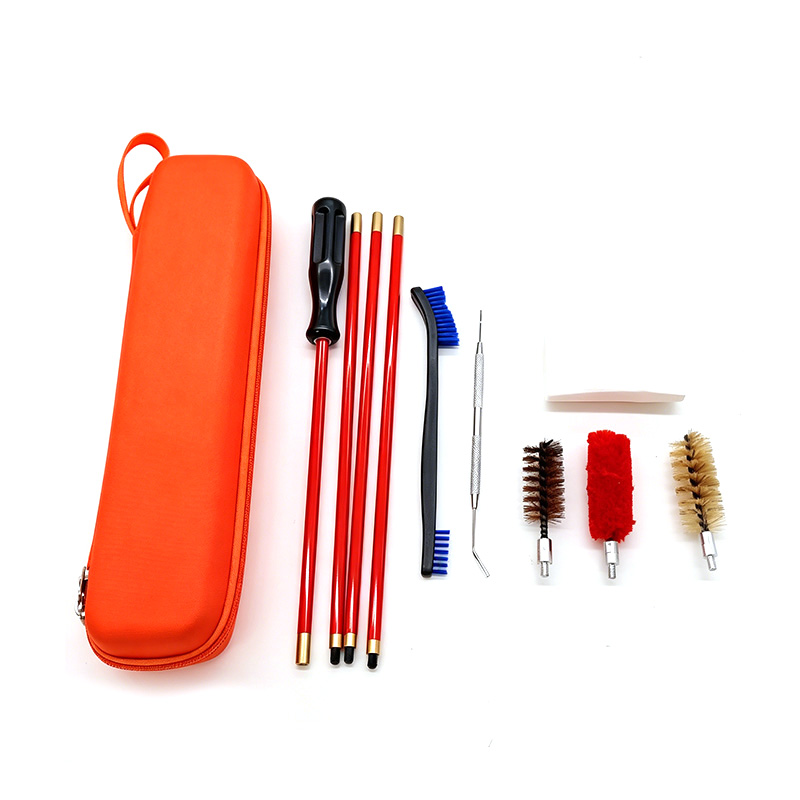
ODM development can extend beyond appearance. A buyer may request a multi-piece kit combining the rope cleaner with a cleaning mat, rod sections, adapters, nylon brushes, brass or bronze brushes, patches, cloths, and an oil bottle. Such combinations can be developed for hunting stores, shooting sports retailers, online marketplaces, outdoor wholesalers, or firearm accessory brands.
Packaging development should address more than visual appeal. It should identify the correct caliber, state the intended use, provide safety instructions, explain the pull-through method, identify included items, and display the customer’s required regulatory or market information. Product claims should be reviewed carefully to ensure they are accurate and appropriate for the destination market.
Hunting retailers often need products that are compact, easy to demonstrate, and useful in the field. The rope snake brush can be positioned as a convenient maintenance accessory for hunters who want to carry a basic cleaning tool with their outdoor equipment. A hanging blister pack or compact transparent package can make the product easy to display near firearms, ammunition storage products, range bags, or hunting accessories.
Retail staff can explain the product through a simple value proposition: select the correct caliber, insert the pull-through end as directed, and draw the flexible brush through the bore in a controlled manner. The product should be sold with clear instructions and with reminders that safe unloading and manufacturer guidance are essential.
Online sellers benefit from products that are lightweight, relatively compact, and available in several searchable specifications. Caliber-specific listings can target users looking for 9mm, .22, .223, 5.56mm, 7.62mm, 12GA, and other common options. Accurate images, a compatibility chart, dimensions, material information, and packaging details can improve customer understanding.
Because online customers cannot physically inspect the product before purchase, the listing should avoid ambiguous terms. If one model supports both .223 and 5.56mm, that compatibility should be stated clearly and verified by the manufacturer. If a model is intended for .38, .357, and .380, the exact product code and compatibility range should be displayed in a logical format.
Wholesalers may prefer a complete size assortment that can serve multiple retail accounts. The factory’s broad specification range makes it possible to order a coordinated series rather than sourcing different sizes from unrelated suppliers. This can simplify purchasing, packaging development, quality management, and inventory planning.
Distributors can also choose between individual products and complete kits. Individual ropes may suit experienced users who already own other accessories. Multi-piece kits may be more attractive to new firearm owners or gift buyers. The ability to combine products supports different price points and sales strategies.
Professional firearm care programs, training facilities, and range operators may require repeatable consumable or semi-consumable maintenance tools. A standardized rope brush can be assigned to specific caliber groups and stored in labeled maintenance kits. The lightweight format can make inventory easier to organize across multiple workstations or field teams.
Professional users should establish their own inspection and replacement procedures. The rope and brush should be checked for wear, contamination, loose bristles, or damage before use. A quality tool supports a maintenance program, but it does not eliminate the need for trained personnel and documented safety practices.
No single cleaning accessory is ideal for every task. The value of the Portable Gun Cleaning Rope Snake Brush comes from the balance it provides between portability, integrated construction, and routine cleaning performance.
A cloth-only pull-through is often compact and gentle, but it may provide less mechanical action against stubborn fouling. A rigid rod can support a wider range of attachments and more specialized procedures, but it generally takes more space and assembly time. A complete multi-piece kit may provide the broadest functionality, but it can be heavier, more expensive, and more complicated for quick field use.
The rope snake occupies the middle ground. It offers more active brushing than a simple cloth pull-through while remaining easier to carry than many rod systems. It is not intended to replace every brush, jag, patch, or inspection tool. Instead, it provides a practical solution for fast bore cleaning and routine servicing, particularly when convenience and portability are major purchasing factors.
| Cleaning option | Main strengths | Potential limitations | Best-fit use |
| Rope snake brush | Portable, flexible, integrated, fast to deploy | Less accessory flexibility than a full rod kit | Field cleaning and routine bore maintenance |
| Rigid cleaning rod | Supports many attachments and detailed procedures | Longer, more rigid, and usually requires assembly | Bench cleaning and comprehensive maintenance |
| Cloth pull-through | Lightweight and simple | May provide limited brushing action | Light wiping and final pass cleaning |
| Multi-piece cleaning kit | Broad functionality and accessory selection | More components, storage space, and setup | Complete home, workshop, or professional kits |
Before using the rope cleaner, the user should confirm the firearm’s condition and follow all applicable safety procedures. The firearm must be unloaded, ammunition should be separated from the cleaning area, and the correct caliber or gauge model should be selected.
The user should inspect the rope, brush, and attachment points. If the brush is loose, the rope is frayed, or the product shows damage, it should not be used until its suitability has been confirmed. A damaged tool can provide poor cleaning performance and may create avoidable risk during use.
The rope should be guided through the bore according to the product instructions and pulled with controlled force. It should not be forced through an obstruction. Users should avoid twisting the rope excessively, dragging it across sharp edges, or exposing it to chemicals that may weaken the textile material or affect the brush.
After use, the rope should be cleaned or wiped as appropriate and allowed to dry before storage. Storing a damp textile tool in a sealed package may encourage odor, residue buildup, or material deterioration. A dry storage location away from excessive heat, moisture, and aggressive chemicals is recommended.
For retailers assembling kits, it is useful to include a small instruction card. The card can state the caliber, basic cleaning sequence, storage guidance, and safety reminders. Clear documentation improves the customer experience and helps reduce the chance of using the wrong size.
Wholesale customers should evaluate samples before approving a production order. A sample review can examine rope flexibility, brush alignment, filament retention, total length, caliber marking, packaging quality, logo accuracy, and overall finish.
A tensile test can help evaluate the strength of the rope and its attachment points. A brush retention test can help determine whether the copper or phosphor bronze filaments remain secure during normal pulling. A dimensional check can confirm that the product corresponds to the intended caliber or gauge. Appearance inspection can identify uneven trimming, loose threads, printing defects, or packaging damage.
Buyers should also confirm the production tolerances and inspection standards that will apply to mass orders. If a customer requires a particular packaging format, barcode, carton quantity, or private-label instruction sheet, those requirements should be included in the approved specification rather than discussed only informally.
Factory-direct communication can make this process more efficient. Jinhua Tongshun Tool Factory provides sample testing, flexible MOQ support, and customized order solutions according to the supplied company information. These services can be useful for distributors that want to validate market demand before committing to a large inventory position.
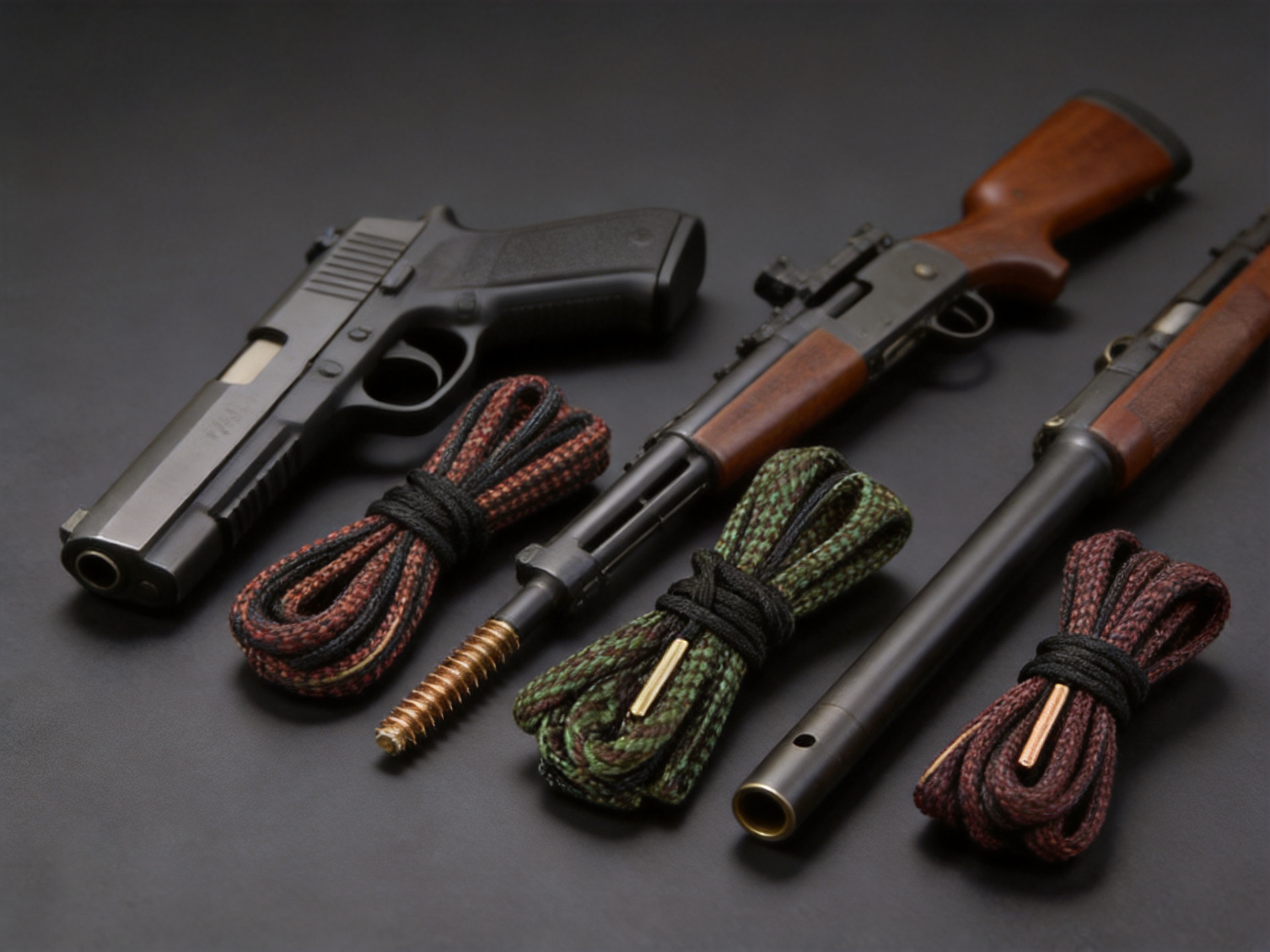
Portability can reduce packaging and transport volume compared with some rigid cleaning tools, although the final environmental impact depends on material selection, packaging type, shipping distance, and product service life. Buyers interested in more efficient packaging can discuss PE bags, recyclable cardboard inserts, reduced plastic use, or packaging designed for compact shipment.
Durability also matters. A product that remains usable through repeated routine cleaning may offer better value than a low-cost tool that quickly loses bristles or develops a weak connection. Quality control, correct use, and proper storage all contribute to service life.
For international distribution, packaging materials and labeling should be reviewed according to destination-market requirements. Different countries may have different expectations for material declarations, recycling marks, language, product warnings, and retail packaging. A factory with OEM and ODM experience can help coordinate these requirements, but the importing party remains responsible for confirming local compliance obligations.
Jinhua Tongshun Tool Factory is located in Jinhua, Zhejiang Province, China, and supplies gun cleaning products to international customers. The company information states that its products are exported to more than 50 countries and regions. Its main sales regions include Europe, while its products are also suitable for online and cross-border distribution channels such as Amazon-based sales programs.
Factory-direct supply can provide several advantages. Buyers may communicate directly with the production source, request samples, discuss technical details, coordinate packaging, and arrange product combinations without relying on multiple intermediaries. Direct contact can also support faster clarification when a buyer needs a particular caliber assortment or private-label presentation.
The company’s product range extends beyond rope cleaners to gun cleaning kits, bronze and brass brushes, bore gun barrel cotton mops, nylon and other material brushes, cleaning rods and adapters, cleaning patches and cloths, and OEM or white-label products. This broader category coverage makes it possible to build coordinated product lines from one manufacturing partner.
For a retailer, a coordinated product line may create a clearer shelf presentation. A basic rope brush can serve as an entry-level product, while a complete kit can target advanced users. Additional brushes and mops can be sold as replacement or specialized accessories. This portfolio approach can support repeat purchasing and help distributors address several customer segments.
The product’s competitive position is based on a combination of practical design and manufacturing support rather than on one isolated feature. Its integrated rope and brush structure reduces setup steps. Its flexible body supports compact storage. Its multiple caliber and gauge options simplify assortment planning. Its customization program supports private-label differentiation. Its factory quality controls address the consistency requirements of international distribution.
Compared with generic, unmarked pull-through cleaners, this product can be developed with clearer caliber identification, organized packaging, and a consistent brand presentation. Compared with more complex cleaning systems, it offers a lighter and more accessible format for routine use. Compared with single-size products, its broad specification range gives distributors more opportunities to build a complete catalog.
The factory’s combination of semi-automatic and fully automated production is another important advantage. It supports repeatability for established models while retaining flexibility for customized orders. Brush fixation tests, tensile checks, and performance inspections create a quality framework that is especially important when the product is sold across different markets and under different private labels.
For customers seeking a long-term supplier, the company’s experience since 1999, product specialization, export background, and OEM/ODM capabilities provide a foundation for cooperation. Buyers should still complete normal sample evaluation, commercial due diligence, packaging approval, and compliance review before placing an order.
A gun cleaning rope snake brush is a flexible pull-through bore-cleaning tool. It typically combines a rope or textile body with an integrated brush section. The user selects the appropriate caliber or gauge and pulls the tool through the bore to help remove fouling and residue.
The product integrates the rope and brush into one flexible tool, while a traditional cleaning rod usually requires separate sections and attachments. The rope snake is more compact and can be faster to deploy for routine field or range cleaning. A rigid rod may still be preferable for detailed bench cleaning or procedures requiring multiple specialized accessories.
The described product range includes shotgun sizes such as 10GA, 12GA, 16GA, 20GA, 28GA, and 410GA, along with rifle and handgun sizes from approximately .17 Cal to .54 Cal. Common metric options include 9mm, 5.56mm, 7.62mm, 6mm, 6.5mm, 7mm, and 8mm. Buyers should confirm the exact current assortment with the factory.
Yes. The available OEM and ODM services include rope color customization, logo printing, appearance adjustments, and packaging development. Buyers can also discuss customized kits that combine the rope brush with mats, rods, brushes, patches, cloths, or oil bottles.
Listed options include blister packs, PE bags, transparent plastic boxes, and customized retail packaging. The best format depends on the sales channel, display requirements, target price, shipping method, and destination-market labeling needs.
The product is designed to help remove carbon buildup, copper fouling, powder residue, and oil contamination. Cleaning results depend on the firearm, the amount of fouling, the cleaning method, and whether additional cleaning products or repeated passes are required.
Yes. Its compact and flexible construction is intended for portable use during hunting trips, range sessions, outdoor activities, and field maintenance. The user must select the correct caliber or gauge and follow safe firearm-handling procedures.
Buyers should request samples and confirm the dimensions, brush material, rope construction, attachment strength, caliber markings, packaging, logo quality, and performance. They should also agree on production specifications, inspection requirements, carton details, and labeling before approving mass production.
The supplied information states that sample testing, flexible MOQ support, and customized order solutions are available. Actual minimum quantities, lead times, and customization conditions should be confirmed directly for each project.
It can handle many routine pull-through bore-cleaning tasks, but it is not necessarily a complete replacement for every accessory. Users who need patch holders, multiple brush types, adapters, rods, mats, or specialized tools may prefer a complete cleaning kit that includes the rope brush as one component.
The Portable Gun Cleaning Rope Snake Brush for Hunting is a practical solution for users who want a lightweight, flexible, and integrated bore-cleaning tool. Its rope-and-brush design simplifies routine maintenance, reduces the need for multiple components, and supports convenient storage in hunting packs, range bags, vehicles, and retail cleaning kits.
Its broad caliber and gauge coverage makes it suitable for a multi-SKU product program, while its OEM and ODM capabilities support private-label development. Buyers can request customized colors, logo printing, packaging formats, and coordinated accessory kits. These features make the product relevant to firearm accessory brands, outdoor wholesalers, distributors, shooting-range suppliers, cross-border sellers, and retail chains.
Behind the product is a factory with manufacturing experience dating from 1999, semi-automatic and automated production capabilities, export experience, and quality checks covering brush fixation, tensile strength, and performance. For customers seeking a factory-direct source, these capabilities can help support consistent supply and structured product development.
The best results come from correct size selection, safe handling, controlled use, appropriate storage, and regular inspection. With these practices, the rope snake brush can serve as an efficient routine-maintenance accessory and as a strong foundation for customized firearm cleaning product lines.
1. Product specification and application information supplied for the Portable Gun Cleaning Rope Snake Brush for Hunting.
2. Company information supplied for Jinhua Tongshun Tool Factory, including manufacturing history, export capability, OEM services, and production systems.
3. Internal product data listing caliber and gauge options, materials, dimensions, packaging possibilities, and quality-control procedures.
4. General firearm maintenance principles concerning bore cleaning, safe handling, residue removal, tool inspection, and storage.
5. General purchasing and quality-assurance practices for OEM, ODM, private-label, and international wholesale products.